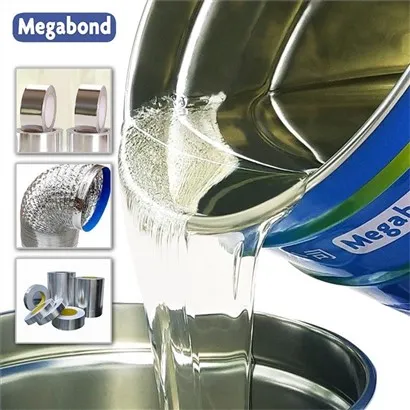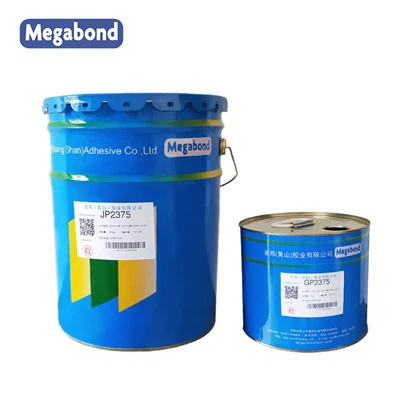


As a supplier of polyurethane laminating adhesives, I often receive inquiries about the compatibility of our products for laminating different materials, especially nylon and plastic. In this blog post, I'll delve into the technical aspects of using polyurethane laminating adhesives for laminating nylon and plastic, exploring the science behind it, the potential benefits, and some considerations.
Understanding Polyurethane Laminating Adhesives
Polyurethane laminating adhesives are a type of adhesive widely used in various industries due to their excellent bonding properties, flexibility, and resistance to environmental factors. These adhesives are formed through a chemical reaction between polyols and isocyanates, resulting in a polymer with unique characteristics.
The key advantage of polyurethane laminating adhesives lies in their ability to form strong and durable bonds. They can adhere to a wide range of substrates, including plastics, metals, fabrics, and more. Their flexibility allows them to withstand bending, stretching, and other mechanical stresses without losing their bonding strength. Additionally, they offer good resistance to heat, moisture, and chemicals, making them suitable for use in diverse environments.
Compatibility with Nylon and Plastic
Nylon is a synthetic polymer known for its high strength, abrasion resistance, and low friction coefficient. It is commonly used in applications such as automotive parts, textiles, and consumer goods. Plastic, on the other hand, is a broad term that encompasses a variety of polymers with different properties. Common plastics used in lamination include polyethylene (PE), polypropylene (PP), polyvinyl chloride (PVC), and polyethylene terephthalate (PET).
The good news is that polyurethane laminating adhesives can generally be used for laminating nylon and plastic. The chemical structure of polyurethane allows it to interact well with the surface of both nylon and plastic materials. The adhesive forms strong intermolecular forces with the substrate, creating a reliable bond.
However, the success of the lamination process depends on several factors. One of the most critical factors is the surface energy of the materials. Nylon and different types of plastics have varying surface energies, which can affect the wetting and adhesion of the adhesive. For example, some plastics, like PE and PP, have low surface energies, making it challenging for the adhesive to spread and bond effectively. In such cases, surface treatment methods such as corona treatment or plasma treatment may be required to increase the surface energy and improve adhesion.
Another factor to consider is the chemical compatibility between the adhesive and the materials. Some plastics may contain additives or plasticizers that can migrate to the surface and interfere with the bonding process. It's essential to choose a polyurethane laminating adhesive that is compatible with the specific type of plastic and nylon being used. Our company offers a range of polyurethane laminating adhesives, such as the Solvent-based AL Copper Material Laminating Adhesive, Solvent-based Door Panel PVC Metal Laminating Adhesive, and Solvent-based DMD Insulation Laminating Adhesive, which are formulated to provide excellent adhesion to a variety of materials, including nylon and different types of plastics.
Benefits of Using Polyurethane Laminating Adhesives for Nylon and Plastic Lamination
There are several benefits to using polyurethane laminating adhesives for laminating nylon and plastic:


- Strong Bonding: Polyurethane adhesives form strong and durable bonds between nylon and plastic, ensuring long-term performance. This is especially important in applications where the laminated materials are subjected to mechanical stress or environmental factors.
- Flexibility: The flexibility of polyurethane adhesives allows the laminated materials to bend, stretch, and move without delamination. This is beneficial in applications such as automotive interiors, where the materials need to conform to complex shapes.
- Chemical Resistance: Polyurethane adhesives offer good resistance to chemicals, moisture, and heat, protecting the laminated materials from damage and degradation. This makes them suitable for use in harsh environments.
- Versatility: Polyurethane laminating adhesives can be used with a wide range of nylon and plastic materials, providing a versatile solution for different applications.
Considerations for the Lamination Process
When using polyurethane laminating adhesives for laminating nylon and plastic, it's important to follow the proper lamination process to ensure optimal results. Here are some considerations:
- Surface Preparation: As mentioned earlier, surface preparation is crucial for achieving good adhesion. The surfaces of the nylon and plastic materials should be clean, dry, and free of contaminants such as oils, dust, and fingerprints. Surface treatment methods may be required for low surface energy plastics.
- Adhesive Application: The adhesive should be applied evenly to the surface of one or both of the materials using a suitable application method, such as roll coating, spray coating, or curtain coating. The amount of adhesive applied should be consistent to ensure uniform bonding.
- Lamination Pressure and Temperature: Applying the appropriate pressure and temperature during the lamination process is essential for achieving a strong bond. The pressure helps to ensure good contact between the adhesive and the materials, while the temperature can affect the curing rate of the adhesive. The specific pressure and temperature requirements depend on the type of adhesive and the materials being laminated.
- Curing Time: Polyurethane adhesives typically require a certain amount of time to cure and develop their full bonding strength. It's important to allow sufficient curing time before subjecting the laminated materials to any mechanical stress or environmental factors.
Conclusion
In conclusion, polyurethane laminating adhesives can be effectively used for laminating nylon and plastic. Their excellent bonding properties, flexibility, and resistance to environmental factors make them a suitable choice for a variety of applications. However, it's important to consider the surface energy, chemical compatibility, and proper lamination process to ensure optimal results.
If you're interested in using our polyurethane laminating adhesives for your nylon and plastic lamination projects, we'd be happy to assist you. Our team of experts can provide you with technical support, product recommendations, and guidance on the lamination process. Contact us today to discuss your specific requirements and start a procurement negotiation.
References
- "Handbook of Adhesive Technology" by A. Pizzi and K. L. Mittal
- "Polyurethane Handbook" by G. Oertel
- Technical literature provided by adhesive manufacturers