

Can laminating adhesive be removed?
As a seasoned supplier of laminating adhesives, I've encountered numerous inquiries regarding the removal of laminating adhesives. This topic is of great concern to many industries, from packaging to printing, where the need to adjust or correct laminating processes often arises. In this blog post, I'll delve into the intricacies of laminating adhesive removal, exploring the factors that influence it and the methods available.
Understanding Laminating Adhesives
Before we discuss removal, it's essential to understand what laminating adhesives are and how they work. Laminating adhesives are substances used to bond two or more layers of materials together, creating a single, integrated structure. They come in various types, including solvent-based, water-based, and solvent-free adhesives. Each type has its own unique properties, such as bonding strength, flexibility, and resistance to heat and chemicals.
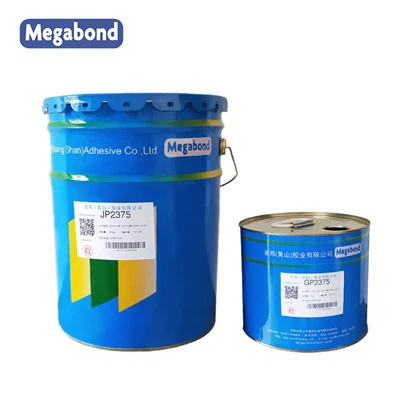
At our company, we offer a range of high-quality laminating adhesives, including Solvent-free 100℃ Anti-Cooking Laminating Adhesive, Solvent-free Polyurethane Laminating Adhesive, and Solvent-free 125℃ Retortable Laminating Adhesive. These adhesives are designed to provide excellent bonding performance in various applications, including food packaging, flexible packaging, and industrial laminating.
Factors Affecting Adhesive Removal
The ability to remove laminating adhesive depends on several factors, including the type of adhesive, the materials being bonded, and the bonding conditions. Here are some key factors to consider:
Type of Adhesive
Different types of laminating adhesives have different chemical compositions and bonding mechanisms, which can affect their removability. For example, solvent-based adhesives are generally easier to remove than water-based or solvent-free adhesives because they can be dissolved by solvents. However, solvent-based adhesives also pose environmental and health risks, so their use is becoming less common.


Water-based adhesives are more environmentally friendly than solvent-based adhesives, but they can be more difficult to remove because they form a strong bond with the materials being bonded. Solvent-free adhesives, on the other hand, are the most environmentally friendly option, but they can be the most difficult to remove because they have a high bonding strength and are resistant to solvents.
Materials Being Bonded
The type of materials being bonded also plays a role in adhesive removal. Some materials, such as paper and cardboard, are more porous and absorbent than others, which can make it easier for the adhesive to penetrate and bond with the material. Other materials, such as plastics and metals, are less porous and more resistant to adhesive penetration, which can make it more difficult to remove the adhesive.
Bonding Conditions
The bonding conditions, such as temperature, pressure, and curing time, can also affect the removability of the adhesive. Adhesives that are cured at high temperatures or under high pressure tend to have a stronger bond and are more difficult to remove than adhesives that are cured at lower temperatures or under lower pressure. Additionally, adhesives that are allowed to cure for a longer period of time tend to have a stronger bond and are more difficult to remove than adhesives that are cured for a shorter period of time.
Methods of Adhesive Removal
There are several methods available for removing laminating adhesive, including mechanical, chemical, and thermal methods. Here are some common methods:
Mechanical Methods
Mechanical methods involve using physical force to remove the adhesive from the materials being bonded. This can include scraping, sanding, or grinding the adhesive off the surface of the material. Mechanical methods are often used when the adhesive is thick or when the materials being bonded are relatively hard and durable.
However, mechanical methods can also damage the materials being bonded, especially if they are soft or delicate. Additionally, mechanical methods can generate dust and debris, which can pose health and safety risks.
Chemical Methods
Chemical methods involve using solvents or other chemicals to dissolve the adhesive and break the bond between the materials being bonded. This can include using solvents such as acetone, ethanol, or methyl ethyl ketone (MEK) to dissolve the adhesive. Chemical methods are often used when the adhesive is thin or when the materials being bonded are relatively soft and flexible.
However, chemical methods can also pose environmental and health risks, especially if the solvents are not used properly. Additionally, some solvents can damage the materials being bonded, especially if they are sensitive to chemicals.
Thermal Methods
Thermal methods involve using heat to soften the adhesive and break the bond between the materials being bonded. This can include using a heat gun, a hair dryer, or an oven to heat the adhesive. Thermal methods are often used when the adhesive is thick or when the materials being bonded are relatively hard and durable.
However, thermal methods can also damage the materials being bonded, especially if they are sensitive to heat. Additionally, thermal methods can generate fumes and odors, which can pose health and safety risks.
Considerations for Adhesive Removal
When considering adhesive removal, it's important to take into account the following factors:
Safety
Adhesive removal can pose health and safety risks, especially if the methods used involve the use of solvents or heat. It's important to follow all safety guidelines and regulations when using solvents or heat, and to wear appropriate personal protective equipment (PPE), such as gloves, goggles, and respirators.
Environmental Impact
Adhesive removal can also have an environmental impact, especially if the methods used involve the use of solvents or generate waste. It's important to choose methods that are environmentally friendly and to dispose of any waste properly.
Cost
Adhesive removal can be costly, especially if the methods used involve the use of specialized equipment or chemicals. It's important to consider the cost of adhesive removal when making a decision about whether to remove the adhesive or to replace the materials being bonded.
Conclusion
In conclusion, the ability to remove laminating adhesive depends on several factors, including the type of adhesive, the materials being bonded, and the bonding conditions. There are several methods available for removing laminating adhesive, including mechanical, chemical, and thermal methods, but each method has its own advantages and disadvantages. When considering adhesive removal, it's important to take into account the safety, environmental impact, and cost of the methods used.
As a supplier of laminating adhesives, we understand the importance of providing our customers with high-quality products and excellent customer service. If you have any questions or concerns about laminating adhesive removal, or if you're interested in learning more about our products, please don't hesitate to contact us. We'd be happy to help you find the right solution for your needs.
References
- "Laminating Adhesives: Types, Applications, and Removal Methods." Adhesives and Sealants Industry, vol. 20, no. 3, 2018, pp. 22-27.
- "Solvent-Free Polyurethane Adhesives for Laminating Applications." Journal of Adhesion Science and Technology, vol. 32, no. 12, 2018, pp. 1367-1382.
- "Removal of Laminating Adhesives from Packaging Materials." Packaging Technology and Science, vol. 31, no. 4, 2018, pp. 257-264.