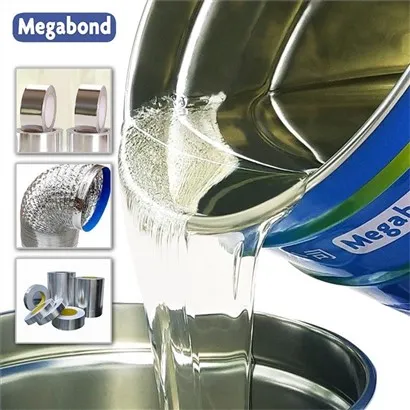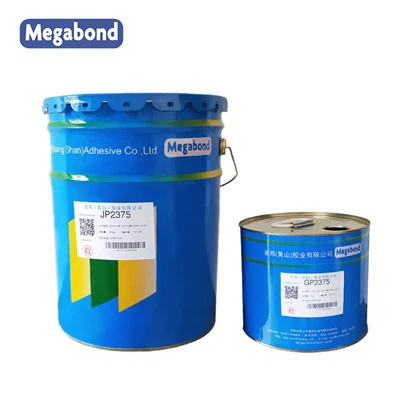


Hey there! As a supplier of Polyether lamination adhesive, I often get asked a bunch of questions about what our products can and can't do. One question that pops up quite a bit is, "Can Polyether lamination adhesive be used for bonding silicone rubber?" Well, let's dig into this topic and find out.
First off, let's talk a bit about Polyether lamination adhesive. It's a pretty versatile product that we offer in different types. For example, we have the Solvent-free 100℃ Anti-Cooking Laminating Adhesive. This one is great for applications where you need to resist cooking temperatures up to 100℃. Then there's the Solvent-free 121℃ Retortable Laminating Adhesive, which can handle even higher retort temperatures. And if you're working with MET plastic films, our Solvent-free MET Plastic Film Laminating Adhesive is the way to go.
Now, back to the main question - bonding silicone rubber. Silicone rubber is a unique material. It has some great properties like high flexibility, good heat resistance, and excellent weatherability. But it also has a low surface energy, which means it can be a bit tricky to bond.
Polyether lamination adhesives are designed to work well with a variety of substrates. They have good adhesion properties and can form strong bonds in many applications. However, when it comes to silicone rubber, it's not a straightforward yes or no answer.
In some cases, Polyether lamination adhesive can be used to bond silicone rubber. If the silicone rubber has been properly pre - treated, the chances of a successful bond increase significantly. Pre - treatment methods can include things like plasma treatment, corona treatment, or using a primer. These methods help to increase the surface energy of the silicone rubber, making it more receptive to the adhesive.
Let's say you're working on a project where you need to bond silicone rubber to another material, like a plastic or a metal. If you pre - treat the silicone rubber surface and then apply the Polyether lamination adhesive correctly, you might get a decent bond. The adhesive needs to be applied evenly, and the right amount of pressure should be applied during the bonding process to ensure good contact between the adhesive and the silicone rubber.
However, there are also some limitations. Silicone rubber can have different formulations, and some of them might be more difficult to bond than others. For example, some high - performance silicone rubbers with special additives might not bond well even after pre - treatment. Also, the environmental conditions during the bonding process can play a big role. High humidity or extreme temperatures can affect the curing process of the adhesive and the quality of the bond.
Another thing to consider is the long - term durability of the bond. Even if you manage to get a good initial bond between the Polyether lamination adhesive and the silicone rubber, over time, the bond might degrade. This could be due to factors like exposure to chemicals, UV light, or mechanical stress.
If you're thinking about using our Polyether lamination adhesive for bonding silicone rubber, it's a good idea to do some tests first. You can take a small sample of the silicone rubber and the substrate you want to bond it to, pre - treat the silicone rubber as described above, and then apply the adhesive. Let it cure under the recommended conditions and then test the bond strength. You can use simple methods like a peel test or a shear test to see how well the bond holds up.
We've had customers who have successfully used our Polyether lamination adhesives for bonding silicone rubber in certain applications. For example, in some consumer products where the bond doesn't need to withstand extremely harsh conditions, the results have been quite satisfactory. But in more demanding industrial applications, more research and testing are usually required.
So, to sum it up, Polyether lamination adhesive can potentially be used for bonding silicone rubber, but it depends on a few factors. Proper pre - treatment of the silicone rubber is crucial, and you need to consider the specific requirements of your application, including the long - term durability of the bond.
If you're interested in using our Polyether lamination adhesive for your silicone rubber bonding project or any other application, I encourage you to reach out to us. We have a team of experts who can provide you with more detailed information and help you figure out the best approach for your specific needs. Whether you're a small - scale manufacturer or a large industrial company, we're here to assist you.
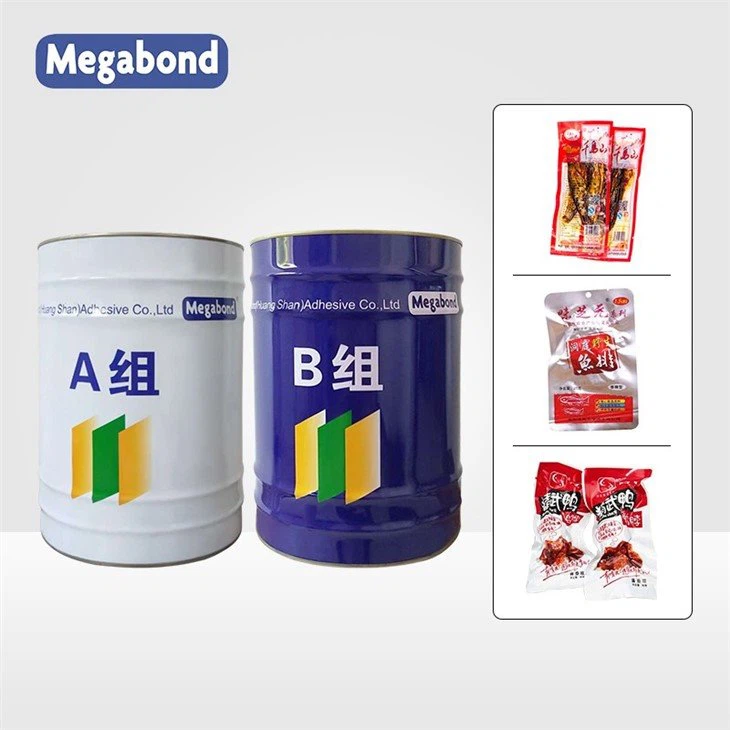

References
- "Adhesion Science and Engineering: Surfaces, Chemistry, and Applications" by K. L. Mittal
- "Silicone Elastomers: Science and Technology" by A. L. Andrady and S. L. Hemingway