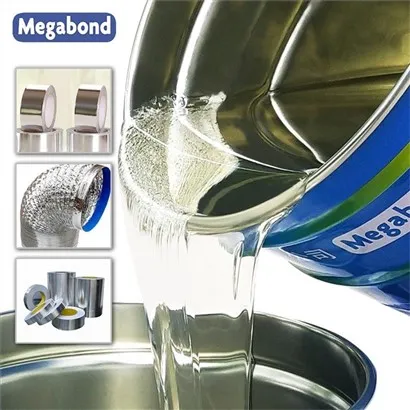


As a supplier of polyurethane laminating adhesives, I often encounter inquiries about the compatibility of our products with different materials. One common question that frequently arises is whether polyurethane laminating adhesives can be used for laminating styrofoam and plastic. In this blog post, I will delve into this topic, exploring the properties of styrofoam, plastic, and polyurethane laminating adhesives, and discussing the feasibility of using these adhesives for laminating these materials.
Understanding Styrofoam and Plastic
Styrofoam, also known as expanded polystyrene (EPS), is a lightweight, rigid, and insulating material made from polystyrene beads that are expanded and fused together. It is commonly used in packaging, insulation, and disposable food containers due to its low cost, excellent insulation properties, and ease of processing.
Plastic, on the other hand, is a broad term that encompasses a wide range of synthetic or semi-synthetic materials made from polymers. Plastics can be classified into different types based on their chemical composition, properties, and applications. Some common types of plastics include polyethylene (PE), polypropylene (PP), polyvinyl chloride (PVC), polyethylene terephthalate (PET), and polystyrene (PS).
Properties of Polyurethane Laminating Adhesives
Polyurethane laminating adhesives are a type of adhesive that is widely used in various industries for bonding different materials together. These adhesives are known for their excellent adhesion, flexibility, durability, and resistance to chemicals, heat, and moisture. Polyurethane laminating adhesives can be classified into two main types: solvent-based and solvent-free.
- Solvent-based polyurethane laminating adhesives: These adhesives contain a solvent that evaporates during the curing process, leaving behind a strong bond between the two materials. Solvent-based adhesives offer excellent adhesion to a wide range of materials, including styrofoam and plastic. They are also known for their fast curing time, high initial tack, and good resistance to heat and chemicals. Some examples of solvent-based polyurethane laminating adhesives include Solvent-based Door Panel PVC Metal Laminating Adhesive, Solvent-based Reflective Beads Laminating Adhesive, and Solvent-based DMD Insulation Laminating Adhesive.
- Solvent-free polyurethane laminating adhesives: These adhesives do not contain any solvents, which makes them more environmentally friendly and safer to use. Solvent-free adhesives offer excellent adhesion, flexibility, and durability, and they are also resistant to heat, moisture, and chemicals. However, they typically have a longer curing time and lower initial tack compared to solvent-based adhesives.
Feasibility of Using Polyurethane Laminating Adhesives for Laminating Styrofoam and Plastic
The feasibility of using polyurethane laminating adhesives for laminating styrofoam and plastic depends on several factors, including the type of styrofoam and plastic, the surface properties of the materials, the application method, and the curing conditions.


- Type of styrofoam and plastic: Different types of styrofoam and plastic have different surface properties and chemical compositions, which can affect the adhesion of the adhesive. For example, some types of plastic, such as polypropylene and polyethylene, have low surface energy, which makes it difficult for the adhesive to wet and bond to the surface. In these cases, surface treatment methods, such as corona treatment or primer application, may be required to improve the adhesion.
- Surface properties of the materials: The surface properties of the styrofoam and plastic, such as roughness, cleanliness, and porosity, can also affect the adhesion of the adhesive. For example, a rough surface can provide more surface area for the adhesive to bond to, while a clean and dry surface can ensure better adhesion. It is important to clean the surfaces of the materials before applying the adhesive to remove any dirt, oil, or other contaminants that may interfere with the adhesion.
- Application method: The application method of the adhesive can also affect the adhesion and performance of the laminate. Polyurethane laminating adhesives can be applied using various methods, such as roller coating, spray coating, and brush coating. The choice of application method depends on the type of adhesive, the surface properties of the materials, and the desired thickness of the adhesive layer.
- Curing conditions: The curing conditions of the adhesive, such as temperature, humidity, and curing time, can also affect the adhesion and performance of the laminate. Polyurethane laminating adhesives typically require a certain amount of time and temperature to cure properly. It is important to follow the manufacturer's instructions regarding the curing conditions to ensure optimal adhesion and performance.
Advantages of Using Polyurethane Laminating Adhesives for Laminating Styrofoam and Plastic
Despite the challenges associated with laminating styrofoam and plastic, there are several advantages to using polyurethane laminating adhesives for this application.
- Excellent adhesion: Polyurethane laminating adhesives offer excellent adhesion to a wide range of materials, including styrofoam and plastic. They can form a strong and durable bond between the two materials, ensuring long-term performance and reliability.
- Flexibility and durability: Polyurethane laminating adhesives are known for their flexibility and durability. They can withstand bending, stretching, and other mechanical stresses without losing their adhesion or integrity. This makes them suitable for applications where the laminate may be subjected to movement or deformation.
- Resistance to chemicals, heat, and moisture: Polyurethane laminating adhesives are resistant to chemicals, heat, and moisture, which makes them suitable for use in harsh environments. They can protect the laminate from damage caused by exposure to chemicals, high temperatures, and moisture.
- Versatility: Polyurethane laminating adhesives can be used for a wide range of applications, including packaging, insulation, automotive, and construction. They can be used to laminate different types of styrofoam and plastic, as well as other materials, such as paper, fabric, and metal.
Considerations and Precautions
When using polyurethane laminating adhesives for laminating styrofoam and plastic, it is important to consider the following factors and take the necessary precautions:
- Compatibility: Before using a polyurethane laminating adhesive, it is important to test its compatibility with the specific type of styrofoam and plastic you are using. This can be done by performing a small-scale test on a sample of the materials to ensure that the adhesive bonds properly and does not cause any damage or deformation to the materials.
- Safety: Polyurethane laminating adhesives can be hazardous if not used properly. They may contain solvents, isocyanates, and other chemicals that can be harmful to human health and the environment. It is important to follow the manufacturer's instructions regarding the safe handling, storage, and disposal of the adhesive. Protective equipment, such as gloves, goggles, and respirators, should be worn when handling the adhesive.
- Environmental impact: Solvent-based polyurethane laminating adhesives can release volatile organic compounds (VOCs) into the air during the curing process, which can contribute to air pollution and environmental damage. If environmental concerns are a priority, consider using solvent-free polyurethane laminating adhesives, which are more environmentally friendly.
Conclusion
In conclusion, polyurethane laminating adhesives can be used for laminating styrofoam and plastic, but the feasibility of this application depends on several factors, including the type of styrofoam and plastic, the surface properties of the materials, the application method, and the curing conditions. When used properly, polyurethane laminating adhesives offer excellent adhesion, flexibility, durability, and resistance to chemicals, heat, and moisture, making them a suitable choice for a wide range of applications.
If you are interested in using polyurethane laminating adhesives for laminating styrofoam and plastic, or if you have any questions or concerns about our products, please do not hesitate to contact us. Our team of experts is available to provide you with technical support and guidance to help you choose the right adhesive for your application. We look forward to working with you to meet your laminating needs.
References
- ASTM D907 - Standard Terminology Relating to Adhesives
- ISO 10365 - Adhesives - Guidelines for the selection of adhesives based on the type of stress
- Polyurethane Handbook, 3rd Edition, edited by G. Oertel