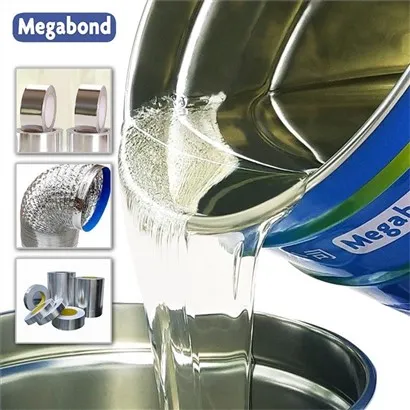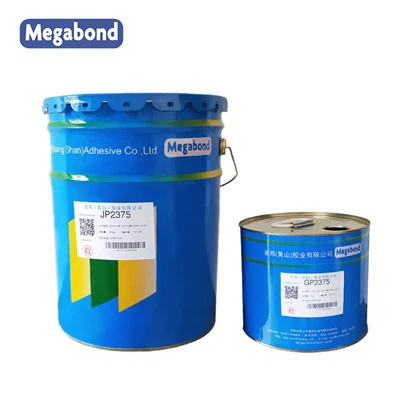


Hey there! As a supplier of PU laminating adhesive, I often get asked a bunch of questions about what our products can and can't do. One question that pops up quite a bit is, "Can PU laminating adhesive be used for laminating fiberglass materials?" Well, let's dive right into it and find out.
What is PU Laminating Adhesive?
First off, let's quickly go over what PU laminating adhesive is. PU stands for polyurethane, and it's a type of polymer that's used in all sorts of adhesives. Polyurethane adhesives are known for their excellent bonding strength, flexibility, and resistance to various environmental factors like moisture, heat, and chemicals.
Our range of PU laminating adhesives includes Solvent-based Film Laminating Adhesive, Solvent-based 135℃ Anti-Steaming Laminating Adhesive, and Solvent Based 135℃ Anti-Retorting Laminating Adhesive. These adhesives are designed to work well in different packaging and laminating applications, but can they handle fiberglass?
Fiberglass Materials: What Makes Them Special
Fiberglass is a composite material made of fine glass fibers. It's incredibly strong, lightweight, and has good insulation properties. Fiberglass is used in a wide range of industries, from construction and automotive to aerospace and marine.
One of the key things about fiberglass is its surface characteristics. The glass fibers have a relatively smooth and non - porous surface, which can make it a bit tricky to bond materials to. Also, depending on the manufacturing process, fiberglass may have a sizing agent on its surface. This sizing is a thin coating that helps protect the fibers during handling and processing but can affect adhesion.
Can PU Laminating Adhesive Bond Fiberglass?
The short answer is yes, in many cases, PU laminating adhesive can be used to laminate fiberglass materials. Here's why:
Bonding Strength
PU adhesives have high bonding strength. They can form strong chemical and physical bonds with the fiberglass surface. The polyurethane molecules can penetrate the small irregularities on the fiberglass surface and create a mechanical interlock. At the same time, there can be some chemical interactions between the adhesive and the glass fibers, which further enhance the bond.
Flexibility
Fiberglass structures often need to withstand some degree of flexing and movement. PU laminating adhesives are flexible, which means they can accommodate the expansion and contraction of the fiberglass without losing the bond. This flexibility is crucial, especially in applications where the fiberglass is exposed to temperature changes or mechanical stress.
Chemical Resistance
PU adhesives are resistant to many chemicals, which is important when laminating fiberglass. Fiberglass may be exposed to various chemicals in its end - use environment, and the adhesive needs to hold up under these conditions. Our Solvent Based 135℃ Anti-Retorting Laminating Adhesive, for example, offers good chemical resistance, which can be beneficial when the fiberglass laminate is used in chemical - exposed applications.
Factors to Consider
However, there are some factors that you need to consider when using PU laminating adhesive for fiberglass:
Surface Preparation
As mentioned earlier, the surface of fiberglass may have a sizing agent. This sizing needs to be removed or properly treated before applying the adhesive. If the sizing is not removed, it can act as a barrier between the adhesive and the fiberglass, preventing a strong bond. Usually, a simple cleaning process with a suitable solvent can help remove the sizing.
Cure Time and Conditions
PU adhesives require specific cure times and conditions to reach their full bonding strength. The temperature and humidity during the curing process can have a significant impact on the final bond quality. For fiberglass laminating, it's important to follow the manufacturer's instructions regarding the cure time and conditions. If the adhesive doesn't cure properly, the bond may be weak, and the laminate may delaminate over time.
Compatibility with Other Layers
In many cases, fiberglass is laminated with other materials, such as plastics or fabrics. You need to make sure that the PU laminating adhesive is compatible with all the materials in the laminate. For example, if you're using a Solvent-based Film Laminating Adhesive to laminate fiberglass with a plastic film, the adhesive should bond well to both the fiberglass and the plastic.
Applications of PU - Laminated Fiberglass
There are several applications where using PU laminating adhesive to laminate fiberglass can be beneficial:
Construction
In construction, fiberglass is often used for insulation and reinforcement. Laminating fiberglass with other materials using PU adhesive can improve its performance. For example, laminating fiberglass with a waterproof membrane can create a more effective insulation material for roofs and walls.
Automotive
In the automotive industry, fiberglass is used for body parts and interior components. PU - laminated fiberglass can provide better durability and aesthetics. The flexibility of the PU adhesive can also help absorb vibrations and reduce noise.
Marine
In the marine environment, fiberglass is a popular material for boat hulls and other components. The chemical resistance of PU adhesives makes them suitable for laminating fiberglass in this harsh environment. They can help protect the fiberglass from water damage and the effects of saltwater.
How to Choose the Right PU Laminating Adhesive for Fiberglass
When choosing a PU laminating adhesive for fiberglass, here are some things to keep in mind:


Application Requirements
Consider the specific requirements of your application. If your fiberglass laminate will be exposed to high temperatures, you might want to choose an adhesive like our Solvent-based 135℃ Anti-Steaming Laminating Adhesive. If it needs to be resistant to chemicals, look for an adhesive with good chemical resistance properties.
Bonding Speed
Some applications may require a fast - bonding adhesive, while others can tolerate a longer cure time. Our product range offers different types of PU laminating adhesives with varying cure times, so you can choose the one that suits your production process.
Cost
Cost is always a factor. You need to balance the performance of the adhesive with its cost. We offer a range of products at different price points, so you can find an adhesive that meets your budget without sacrificing quality.
Conclusion
In conclusion, PU laminating adhesive can be a great choice for laminating fiberglass materials. It offers high bonding strength, flexibility, and chemical resistance, which are all important properties for fiberglass laminates. However, proper surface preparation, following the cure conditions, and ensuring compatibility with other materials are crucial for a successful lamination.
If you're interested in using our PU laminating adhesives for your fiberglass laminating needs, we'd love to hear from you. Whether you have questions about product selection, application processes, or need samples for testing, don't hesitate to reach out. We're here to help you find the best adhesive solution for your project.
References
- "Handbook of Adhesives and Sealants", Second Edition, Edited by Henry S. Katz and Allan W. Lee.
- "Fiberglass Reinforced Plastics: Design and Applications", by David A. Dutton.