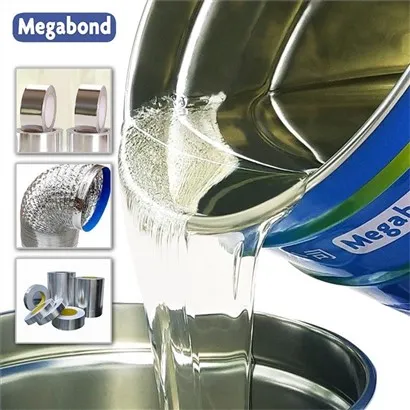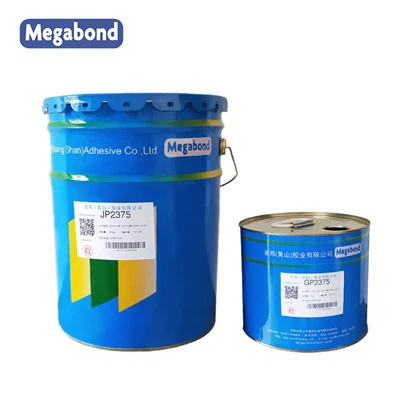


Hey there! As a supplier of Polyurethane Glue laminating glue, I often get asked a bunch of questions about what our products can and can't do. One question that pops up quite a bit is, "Can polyurethane laminating glue be used for laminating foam?" Well, let's dig into this topic and find out.
First off, let's talk a bit about polyurethane laminating glue. It's a pretty versatile adhesive that's used in a whole bunch of industries. We've got different types of it, like the Solvent-based AL Copper Material Laminating Adhesive, Solvent-based Reflective Beads Laminating Adhesive, and Solvent-based Door Panel PVC Metal Laminating Adhesive. Each type is designed for specific applications, but they all share some common features.
Polyurethane laminating glue is known for its strong bonding properties. It can create a really tight seal between two surfaces, which is super important when you're laminating. It also has good flexibility, which means it can handle some movement without breaking the bond. And it's resistant to a lot of things like water, heat, and chemicals. These are all great qualities, but how do they stack up when it comes to laminating foam?
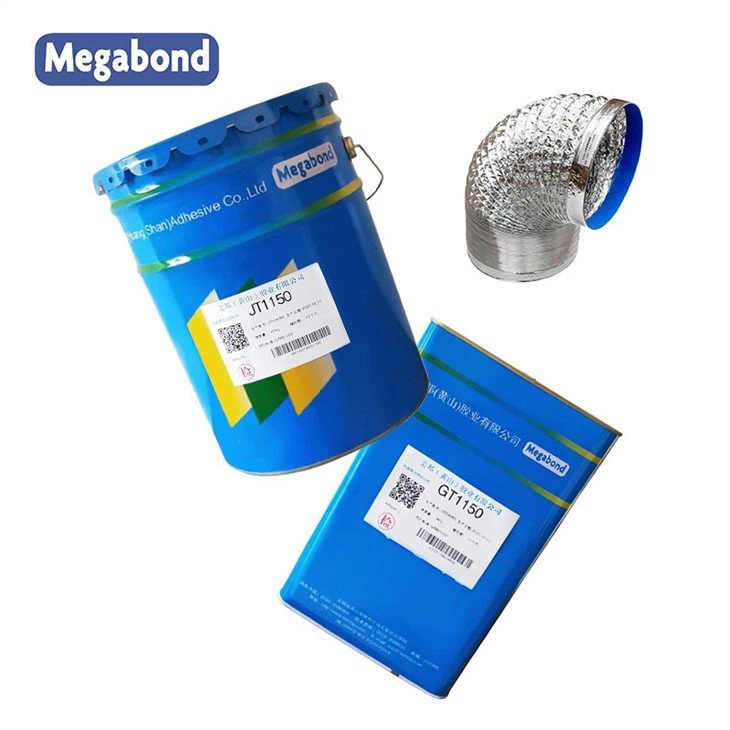

Foam is a unique material. It's soft, porous, and can come in different densities and compositions. When you're thinking about using polyurethane laminating glue on foam, there are a few things you need to consider.
One of the big factors is the porosity of the foam. Since foam is porous, the glue needs to be able to penetrate the surface and bond effectively. Polyurethane laminating glue is usually pretty good at this. It can seep into the pores of the foam and create a strong bond from the inside out. But the type of foam matters. Some foams are more open - celled, which means the glue can penetrate more easily. Others are closed - celled, and the glue might have a harder time getting in.
Another thing to think about is the flexibility of the foam. Foam can stretch and compress, so the glue needs to be able to keep up. Like I said earlier, polyurethane laminating glue has good flexibility, but you need to make sure it's the right match for the foam you're using. If the glue is too rigid, it might crack when the foam moves, and that'll break the bond.
The density of the foam is also crucial. High - density foam is more rigid and might require a stronger bond. Low - density foam is softer and might need a glue that can provide a bit more give. Our polyurethane laminating glues come in different formulations, so we can usually find one that's a good fit for different foam densities.
Now, let's talk about the application process. When you're laminating foam with polyurethane laminating glue, you need to prepare the surfaces properly. First, make sure the foam is clean. Any dirt, dust, or oil on the surface can prevent the glue from bonding correctly. You can use a mild cleaner to wipe down the foam before applying the glue.
The glue application method is also important. You can use a brush, roller, or spray gun, depending on the size and shape of the foam pieces. If you're using a brush or roller, make sure to apply an even coat of glue. If you're using a spray gun, adjust the settings so that you get a fine, even mist.
After applying the glue, you need to allow it to dry. The drying time can vary depending on the type of glue and the environmental conditions. Usually, polyurethane laminating glue dries within a few hours, but it might take longer in humid conditions. It's important to follow the manufacturer's instructions for drying time to ensure a strong bond.
In many cases, polyurethane laminating glue can be a great choice for laminating foam. It's been used successfully in applications like furniture manufacturing, automotive interiors, and packaging. For example, in furniture, it can be used to bond foam padding to fabric or other materials. In automotive interiors, it can be used to laminate foam insulation to metal or plastic parts.
But like any adhesive, it's not a one - size - fits - all solution. You need to test the glue on a small sample of the foam first to make sure it works as expected. This way, you can see how the glue bonds, how it handles the movement of the foam, and if there are any compatibility issues.
If you're in the market for a glue to laminate foam or have other laminating needs, I'd love to help. We've got a wide range of polyurethane laminating glues that can be customized to your specific requirements. Whether you're working with high - density foam in a commercial application or low - density foam for a DIY project, we can find the right solution for you.
So, if you're interested in learning more about our products or want to discuss your laminating project, don't hesitate to reach out. We're here to answer your questions and help you find the best glue for your needs.
References
- Industry standards for adhesive bonding of foam materials
- Manufacturer's guidelines for polyurethane laminating glue products