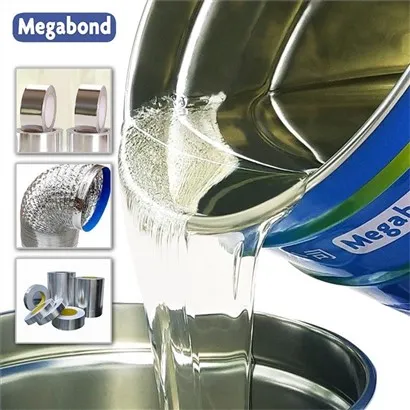


As a supplier of PU laminating adhesive, I often receive inquiries about the versatility and applicability of our products. One question that has piqued my interest recently is whether PU laminating adhesive can be used for laminating precious metals. In this blog post, I'll delve into the science behind PU laminating adhesives, the characteristics of precious metals, and evaluate the feasibility of using our adhesives for this unique application.
Understanding PU Laminating Adhesives
PU, or polyurethane, laminating adhesives are known for their excellent bonding properties, flexibility, and durability. They are widely used in various industries, including packaging, automotive, and electronics, for laminating different materials such as plastics, papers, and fabrics. These adhesives come in different types, including solvent-based and solvent-free, each with its own set of advantages and limitations.
Solvent-based PU laminating adhesives are popular due to their strong bonding strength and good resistance to chemicals and heat. For example, our Solvent-based MET Plastic Film Laminating Adhesive is designed specifically for laminating metalized plastic films, providing a reliable bond that withstands various environmental conditions. Another option is our Solvent-based Anti-Chemicals Polyether Laminating Adhesive, which offers excellent resistance to chemicals, making it suitable for applications where the laminated materials may come into contact with harsh substances. Additionally, our Solvent-based 121℃ Anti-Retorting PU Laminating Adhesive is capable of withstanding high temperatures during the retorting process, ensuring the integrity of the laminated structure.
Characteristics of Precious Metals
Precious metals such as gold, silver, platinum, and palladium are highly valued for their rarity, beauty, and unique physical and chemical properties. They are malleable, ductile, and have excellent electrical and thermal conductivity. However, these metals also have a low surface energy, which can make it challenging to achieve a strong bond with adhesives.
The surface of precious metals is often smooth and non-porous, which reduces the mechanical interlocking between the adhesive and the metal surface. Additionally, precious metals can react with certain chemicals in the adhesive, leading to corrosion or discoloration over time. Therefore, when considering using a PU laminating adhesive for precious metals, it is crucial to understand these characteristics and select an adhesive that is compatible with the metal.
Feasibility of Using PU Laminating Adhesives for Precious Metals
The feasibility of using PU laminating adhesives for laminating precious metals depends on several factors, including the type of precious metal, the surface treatment of the metal, and the specific requirements of the application.
Surface Treatment
One of the key steps in achieving a strong bond between a PU laminating adhesive and a precious metal is proper surface treatment. This can involve cleaning the metal surface to remove any contaminants, such as oils, greases, or oxides, and increasing the surface energy to improve the wetting and adhesion of the adhesive. Common surface treatment methods include mechanical abrasion, chemical etching, and plasma treatment.
Mechanical abrasion, such as sanding or polishing, can create a rough surface on the metal, increasing the surface area available for bonding. Chemical etching involves using a chemical solution to remove the surface layer of the metal, exposing a fresh and reactive surface. Plasma treatment uses a high-energy plasma to modify the surface properties of the metal, increasing its surface energy and improving the adhesion of the adhesive.
Adhesive Compatibility
Another important factor is the compatibility of the PU laminating adhesive with the precious metal. The adhesive should not react with the metal or cause any damage to its surface. It should also have good adhesion strength and flexibility to withstand the mechanical stresses and environmental conditions of the application.
When selecting a PU laminating adhesive for precious metals, it is recommended to conduct compatibility tests to ensure that the adhesive meets the requirements of the specific application. These tests can include evaluating the bond strength, durability, and resistance to chemicals and environmental factors.
Application Requirements
The specific requirements of the application also play a crucial role in determining the suitability of a PU laminating adhesive for precious metals. For example, if the laminated structure will be exposed to high temperatures, the adhesive should have good heat resistance. If the application requires a high level of flexibility, the adhesive should be able to maintain its bond strength under bending or stretching.
Potential Applications
Despite the challenges, there are several potential applications where PU laminating adhesives can be used for laminating precious metals.
Jewelry and Ornaments
In the jewelry industry, PU laminating adhesives can be used to bond precious metals to other materials, such as gemstones, pearls, or plastics, to create unique and decorative pieces. The adhesive can provide a strong and durable bond, while also allowing for the flexibility and movement required in jewelry designs.


Electronics
Precious metals are widely used in the electronics industry for their excellent electrical conductivity. PU laminating adhesives can be used to bond precious metal foils or wires to circuit boards or other electronic components, providing a reliable electrical connection and protecting the metal from oxidation and corrosion.
Art and Design
In the field of art and design, PU laminating adhesives can be used to create mixed-media artworks by bonding precious metals to paper, canvas, or other substrates. The adhesive can enhance the visual appeal of the artwork and provide a long-lasting bond.
Conclusion
In conclusion, while using PU laminating adhesives for laminating precious metals presents some challenges, it is possible to achieve a strong and durable bond with proper surface treatment and adhesive selection. Our range of solvent-based PU laminating adhesives offers excellent bonding strength, chemical resistance, and heat resistance, making them suitable for a variety of applications involving precious metals.
If you are interested in using our PU laminating adhesives for laminating precious metals or have any questions about our products, please feel free to contact us. We are committed to providing high-quality adhesives and technical support to meet your specific needs. Let's discuss your project and explore the possibilities of using our adhesives to achieve your goals.
References
- "Polyurethane Adhesives: Chemistry, Technology, and Applications" by David A. Potts
- "Surface Treatment of Metals: Principles and Applications" by John W. Dini
- "Precious Metals: Properties, Applications, and Market Trends" by Peter M. Adams