

Can PU Lamination Adhesive be Re - activated after Curing?
As a leading supplier of PU lamination adhesive, I often encounter questions from customers about the properties and capabilities of our products. One of the most frequently asked questions is whether PU lamination adhesive can be re - activated after curing. In this blog post, I will delve into this topic, exploring the science behind PU lamination adhesives, the factors affecting re - activation, and the implications for various industries.
Understanding PU Lamination Adhesives
PU, or polyurethane, lamination adhesives are widely used in a variety of industries due to their excellent bonding strength, flexibility, and resistance to environmental factors. These adhesives work by reacting with moisture or other reactive components in the environment to form a strong, durable bond between two or more substrates. Once the adhesive has cured, it forms a cross - linked polymer network that provides the adhesive properties.


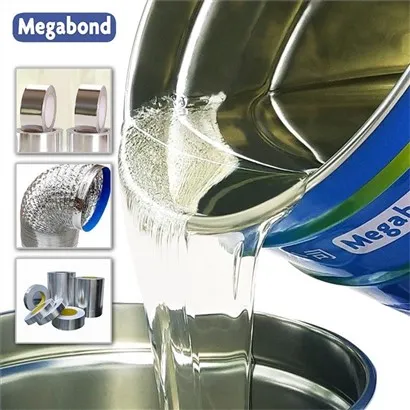
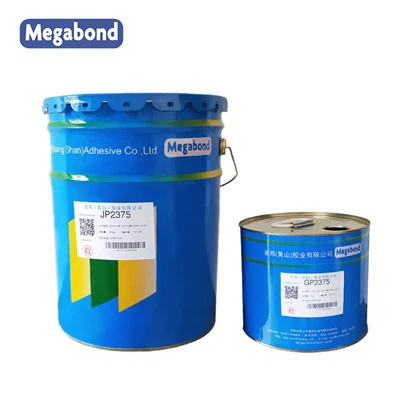
Our company offers a range of PU lamination adhesives, including Solvent-based Metal Plastic Tinplate Laminating PU Glue, Solvent-based DMD Insulation Laminating Adhesive, and Solvent-based Reflective Beads Laminating Adhesive. Each of these products is formulated to meet the specific needs of different applications, such as metal - plastic lamination, insulation lamination, and reflective bead lamination.
The Concept of Re - activation
Re - activation refers to the process of restoring the adhesive properties of a cured adhesive so that it can bond to another substrate. In the case of PU lamination adhesives, re - activation can be challenging because the cross - linked polymer network formed during curing is relatively stable. However, under certain conditions, it is possible to break some of the cross - links and restore the adhesive's tackiness.
There are several methods that can potentially be used to re - activate cured PU lamination adhesives:
Heat
Applying heat is one of the most common methods for re - activating adhesives. When heat is applied to a cured PU adhesive, it can increase the mobility of the polymer chains, causing the cross - links to break to some extent. This can restore the adhesive's tackiness and allow it to bond to another substrate. However, the amount of heat required and the duration of heating need to be carefully controlled. Excessive heat can cause the adhesive to degrade or char, which will reduce its bonding strength.
Solvents
Solvents can also be used to re - activate cured PU adhesives. Certain solvents can swell the cross - linked polymer network, allowing the polymer chains to move more freely and restoring the adhesive's tackiness. However, the choice of solvent is crucial. Some solvents may dissolve the adhesive completely, while others may not have a significant effect. Additionally, the use of solvents may raise environmental and safety concerns.
Pressure
In some cases, applying pressure can help to re - activate a cured PU adhesive. Pressure can force the adhesive to flow and make better contact with the substrate, which can enhance the bonding strength. However, pressure alone may not be sufficient to fully re - activate the adhesive, and it is often used in combination with other methods such as heat or solvents.
Factors Affecting Re - activation
Several factors can affect the re - activation of cured PU lamination adhesives:
Adhesive formulation
The formulation of the PU adhesive plays a significant role in its re - activation potential. Adhesives with a higher degree of cross - linking will be more difficult to re - activate than those with a lower degree of cross - linking. Additionally, the presence of certain additives or modifiers in the adhesive formulation can affect its re - activation properties.
Curing conditions
The conditions under which the adhesive is cured can also affect its re - activation. For example, if the adhesive is cured at a high temperature or for a long period of time, it will form a more stable cross - linked network, which will be more difficult to re - activate.
Substrate type
The type of substrate to which the adhesive is bonded can also affect re - activation. Some substrates may interact with the adhesive in a way that makes re - activation more difficult. For example, substrates with a rough surface may provide more mechanical interlocking with the adhesive, which can make it harder to break the bond and re - activate the adhesive.
Implications for Different Industries
The ability to re - activate cured PU lamination adhesives can have significant implications for different industries:
Packaging industry
In the packaging industry, re - activation of adhesives can be useful for repairing damaged packages or for re - using packaging materials. For example, if a package has a loose seal, re - activating the adhesive can help to restore the seal without having to replace the entire package.
Automotive industry
In the automotive industry, re - activation of adhesives can be used for repair and maintenance. For example, if a trim piece is loose, re - activating the adhesive can help to re - attach it without having to replace the entire adhesive joint.
Textile industry
In the textile industry, re - activation of adhesives can be used for processes such as garment repair or modification. For example, if a patch needs to be re - attached to a garment, re - activating the adhesive can make the process easier.
Conclusion
In conclusion, while it is possible to re - activate cured PU lamination adhesives under certain conditions, it is a complex process that requires careful consideration of the adhesive formulation, curing conditions, and the re - activation method. Heat, solvents, and pressure are some of the methods that can be used, but each has its own advantages and limitations.
As a supplier of PU lamination adhesives, we are committed to providing our customers with high - quality products and technical support. If you are interested in learning more about the re - activation of our PU lamination adhesives or have any other questions about our products, we encourage you to contact us for a detailed discussion. We are here to help you find the best adhesive solutions for your specific applications.
References
- Adhesive Technology Handbook, Third Edition, by John D. Minford
- Polyurethane Handbook, Second Edition, by Gunter Oertel