

Can Solventless Lamination Adhesive Be Used for Laminating Fabrics with Different Textures?
As a supplier of solventless lamination adhesives, I am frequently asked whether our products can be used for laminating fabrics with different textures. This is a crucial question for many industries, including fashion, automotive, and home furnishings, where fabric lamination is a common process. In this blog post, I will explore the potential of solventless lamination adhesives in laminating fabrics with various textures and provide insights into the factors that influence their performance.
Understanding Solventless Lamination Adhesives
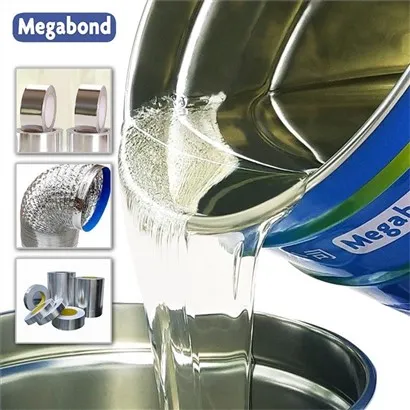
Solventless lamination adhesives are a type of adhesive that does not contain any solvents. They are typically composed of two components: a resin and a hardener. When these two components are mixed together, they react to form a strong bond between the substrates being laminated. Solventless lamination adhesives offer several advantages over solvent-based adhesives, including environmental friendliness, low odor, and high bonding strength.
One of the key benefits of solventless lamination adhesives is their ability to bond a wide range of substrates, including fabrics with different textures. Whether you are laminating smooth silk, rough denim, or plush velvet, solventless lamination adhesives can provide a strong and durable bond. This versatility makes them an ideal choice for industries that require the lamination of fabrics with diverse textures.
Factors Affecting the Performance of Solventless Lamination Adhesives on Different Fabrics
While solventless lamination adhesives have the potential to bond fabrics with different textures, several factors can affect their performance. These factors include the surface energy of the fabric, the porosity of the fabric, and the chemical composition of the adhesive.
Surface Energy
The surface energy of a fabric refers to the amount of energy required to wet the surface of the fabric with a liquid. Fabrics with high surface energy, such as cotton and polyester, are easier to bond with solventless lamination adhesives than fabrics with low surface energy, such as nylon and polypropylene. This is because high surface energy fabrics have a greater affinity for the adhesive, allowing it to spread evenly across the surface and form a strong bond.
To improve the bonding performance of solventless lamination adhesives on low surface energy fabrics, it may be necessary to pre-treat the fabric with a primer or a surface modifier. These treatments can increase the surface energy of the fabric, making it more receptive to the adhesive.
Porosity
The porosity of a fabric refers to the amount of open space or pores in the fabric. Fabrics with high porosity, such as woven fabrics and non-woven fabrics, can absorb the adhesive, making it more difficult to achieve a strong bond. On the other hand, fabrics with low porosity, such as leather and synthetic fabrics, have a smoother surface and are less likely to absorb the adhesive, resulting in a stronger bond.
To overcome the challenges associated with laminating porous fabrics, it may be necessary to use a high-viscosity adhesive or to apply the adhesive in multiple layers. This can help to fill the pores in the fabric and ensure a more uniform bond.
Chemical Composition
The chemical composition of the solventless lamination adhesive can also affect its performance on different fabrics. Different adhesives are formulated to bond specific types of substrates, and it is important to choose an adhesive that is compatible with the fabric being laminated. For example, some adhesives are designed to bond fabrics with high heat resistance, while others are formulated to bond fabrics with high flexibility.
At our company, we offer a range of solventless lamination adhesives that are specifically designed for different applications. Our Solvent-free 125℃ Retortable Laminating Adhesive is ideal for laminating fabrics that require high heat resistance, while our Solvent-free 100℃ Anti-Cooking Laminating Adhesive is suitable for laminating fabrics that are exposed to moisture and heat. Our Solvent-free Polyurethane Laminating Adhesive is a versatile adhesive that can be used for laminating a wide range of fabrics with different textures.
Case Studies: Laminating Fabrics with Different Textures Using Solventless Lamination Adhesives
To illustrate the effectiveness of solventless lamination adhesives in laminating fabrics with different textures, let's look at a few case studies.
Case Study 1: Laminating Silk and Cotton
A fashion designer was looking to create a new line of clothing that combined the luxurious feel of silk with the durability of cotton. The designer wanted to laminate a layer of silk onto a layer of cotton to create a unique fabric with a soft, smooth surface and a strong, durable base.
The designer chose our solventless lamination adhesive for the project. The adhesive was applied to the surface of the cotton fabric using a roller coater, and the silk fabric was then placed on top of the adhesive. The two fabrics were then passed through a laminating machine, which applied pressure and heat to activate the adhesive and bond the two fabrics together.
The result was a beautiful, high-quality fabric that combined the best of both worlds. The silk layer provided a soft, smooth surface, while the cotton layer provided a strong, durable base. The bond between the two fabrics was strong and durable, and the fabric maintained its shape and integrity even after multiple washes.
Case Study 2: Laminating Denim and Fleece
An automotive manufacturer was looking to improve the comfort and insulation of its car seats. The manufacturer wanted to laminate a layer of fleece onto a layer of denim to create a soft, warm, and comfortable seat cover.
The manufacturer chose our solventless lamination adhesive for the project. The adhesive was applied to the surface of the denim fabric using a spray gun, and the fleece fabric was then placed on top of the adhesive. The two fabrics were then passed through a laminating machine, which applied pressure and heat to activate the adhesive and bond the two fabrics together.


The result was a comfortable and durable seat cover that provided excellent insulation and comfort. The bond between the denim and fleece was strong and durable, and the seat cover maintained its shape and integrity even after extended use.
Conclusion
In conclusion, solventless lamination adhesives can be used for laminating fabrics with different textures. These adhesives offer several advantages over solvent-based adhesives, including environmental friendliness, low odor, and high bonding strength. However, several factors can affect the performance of solventless lamination adhesives on different fabrics, including the surface energy of the fabric, the porosity of the fabric, and the chemical composition of the adhesive.
At our company, we offer a range of solventless lamination adhesives that are specifically designed for different applications. Our adhesives can be used for laminating a wide range of fabrics with different textures, including silk, cotton, denim, fleece, and more. If you are interested in learning more about our solventless lamination adhesives or would like to discuss your specific lamination needs, please contact us. We would be happy to help you find the right adhesive for your project.
References
- ASTM International. (2023). Standard Test Methods for Peel Resistance of Adhesives (T-Peel Test).
- ISO. (2023). ISO 9015-1:2011 Adhesives — Determination of Tensile Lap-Shear Strength of Rigid-to-Rigid Adhesive Bonds.
- Shen, M., & Springer, G. S. (1976). Engineering Mechanics of Composite Materials. Wiley-Interscience.