

In the world of materials and manufacturing, the question of whether PU lamination adhesives can be used for laminating leather is a topic that warrants in - depth exploration. As a supplier of PU lamination adhesives, I've witnessed firsthand the diverse applications and potential of these adhesives, and I'm excited to share my insights on their suitability for leather lamination.
PU, or polyurethane, lamination adhesives have gained significant popularity in various industries due to their excellent bonding properties, flexibility, and durability. These adhesives are formulated to create a strong and reliable bond between different materials, making them a top choice for many lamination processes. But when it comes to leather, a material with its own unique characteristics, there are several factors to consider.
Understanding Leather and Its Properties
Leather is a natural material derived from animal hides. It has a porous and fibrous structure, which gives it breathability, flexibility, and a distinct texture. However, these same properties also present challenges when it comes to bonding. Leather can vary widely in terms of its thickness, grain, and treatment, all of which can affect the performance of an adhesive.
There are different types of leather, including full - grain, top - grain, and corrected - grain leather. Full - grain leather is the highest quality, with its natural grain and markings intact. Top - grain leather has been sanded and refinished to remove imperfections, while corrected - grain leather has a more artificial appearance. Each type of leather may require a different approach when using a lamination adhesive.
The Advantages of Using PU Lamination Adhesives for Leather
One of the primary advantages of using PU lamination adhesives for leather is their excellent bonding strength. These adhesives can form a strong bond with the leather surface, ensuring that the laminated layers stay together even under stress. This is particularly important for applications where the leather will be subjected to bending, stretching, or abrasion.
PU lamination adhesives also offer good flexibility. Leather is a flexible material, and the adhesive needs to be able to withstand the movement without cracking or peeling. PU adhesives can provide this flexibility, allowing the leather to maintain its natural feel and appearance.


Another benefit is the durability of PU lamination adhesives. They are resistant to water, chemicals, and heat, which can help protect the leather from damage. This is especially useful for leather products that will be exposed to harsh environments or frequent use.
Types of PU Lamination Adhesives Suitable for Leather
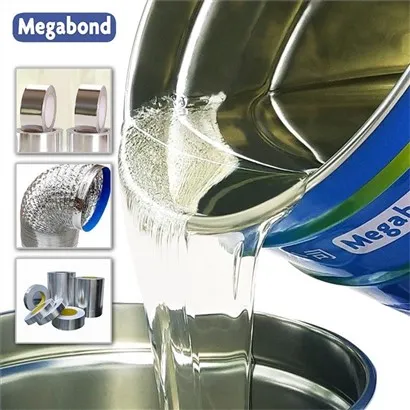
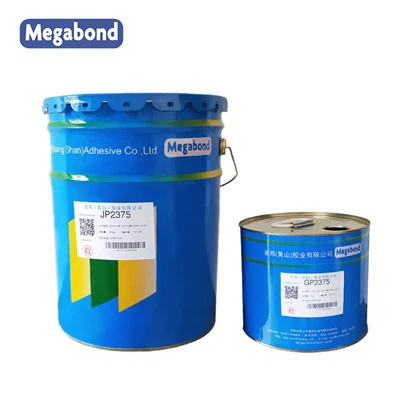
As a supplier, I offer a range of PU lamination adhesives that are suitable for leather lamination. One such product is the Solvent - based Polyurethane Laminating Adhesive. This adhesive is formulated to provide a strong bond with leather, while also offering good flexibility and resistance to solvents.
The Solvent - based 125℃ Anti - Retorting Laminating Adhesive is another option. This adhesive is designed to withstand high temperatures, making it suitable for leather products that may be subjected to heat during processing or use.
For leather products that need to be resistant to chemicals, the Solvent - based Anti - Chemicals Polyether Laminating Adhesive is an excellent choice. It can protect the leather from damage caused by exposure to various chemicals.
Considerations When Using PU Lamination Adhesives for Leather
While PU lamination adhesives offer many advantages for leather lamination, there are also some considerations to keep in mind. One important factor is the surface preparation of the leather. The leather surface should be clean, dry, and free of any contaminants such as oils, dirt, or wax. This will ensure that the adhesive can bond properly with the leather.
The application method of the adhesive is also crucial. Different adhesives may require different application techniques, such as spraying, brushing, or roller coating. It's important to follow the manufacturer's instructions carefully to ensure the best results.
Another consideration is the curing time of the adhesive. PU adhesives typically require a certain amount of time to cure fully, and this can vary depending on the type of adhesive and the environmental conditions. It's important to allow sufficient time for the adhesive to cure before subjecting the leather to any stress or use.
Case Studies: Successful Leather Lamination with PU Adhesives
To illustrate the effectiveness of PU lamination adhesives for leather, let's look at some case studies. A leather goods manufacturer was looking to improve the durability and performance of their leather wallets. They decided to use our Solvent - based Polyurethane Laminating Adhesive to bond a protective layer to the leather. After using the adhesive, they noticed a significant improvement in the wallet's resistance to abrasion and wear. The laminated wallets also maintained their flexibility and natural appearance, which was important for their brand image.
Another case involved a furniture manufacturer that was using leather for their high - end sofas. They needed an adhesive that could withstand the heat and pressure during the manufacturing process. Our Solvent - based 125℃ Anti - Retorting Laminating Adhesive was the perfect solution. The adhesive provided a strong bond between the leather and the underlying layers, and the sofas were able to withstand the rigorous testing without any delamination.
Future Trends in Leather Lamination with PU Adhesives
The future of leather lamination with PU adhesives looks promising. As technology advances, we can expect to see even more innovative and high - performance adhesives. For example, there may be adhesives that are more environmentally friendly, with lower VOC (volatile organic compound) emissions.
There is also a growing demand for leather products with enhanced functionality, such as waterproof or self - cleaning leather. PU adhesives can play a role in achieving these features by bonding additional layers or coatings to the leather.
In addition, the use of smart materials in leather lamination is an area that is likely to grow. PU adhesives could be used to bond sensors or other electronic components to leather, creating new opportunities for the fashion and automotive industries.
Conclusion
In conclusion, PU lamination adhesives can indeed be used for laminating leather, offering many advantages in terms of bonding strength, flexibility, and durability. As a supplier, I'm committed to providing high - quality adhesives that meet the specific needs of leather manufacturers. Whether you're looking to improve the performance of your leather products or create innovative new designs, our range of PU lamination adhesives can help you achieve your goals.
If you're interested in learning more about our PU lamination adhesives for leather or would like to discuss your specific requirements, please don't hesitate to reach out. We're here to assist you with your leather lamination projects and help you find the best adhesive solution.
References
- "Leather Technology and Product Development" - A comprehensive guide on leather properties and processing.
- "Polyurethane Adhesives: Chemistry and Technology" - A technical reference on the chemistry and applications of polyurethane adhesives.
- Industry reports on the latest trends in leather manufacturing and adhesive technology.