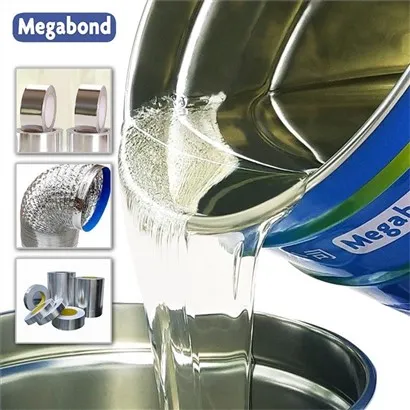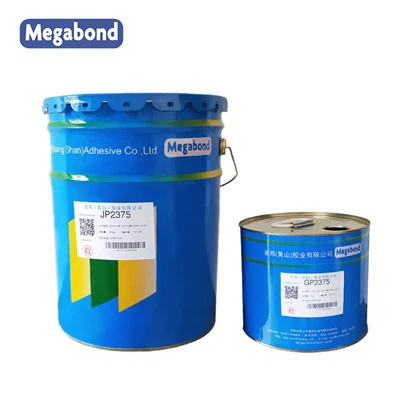


Hey there! As a supplier of laminate polyurethane glue, I often get asked about the curing time of this stuff. It's a super important question because getting the curing time right can make or break your project. So, let's dig into what the curing time of laminate polyurethane glue is all about.
First off, what exactly is laminate polyurethane glue? It's a type of adhesive that's widely used in a bunch of different industries. Whether you're working on laminating metal and plastic, like in the case of Solvent-based Metal Plastic Tinplate Laminating PU Glue, or dealing with door panel PVC and metal laminating, as with Solvent-based Door Panel PVC Metal Laminating Adhesive, or even in insulation laminating like Solvent-based DMD Insulation Laminating PU Glue, this glue is a go - to choice for many.
Now, let's talk about what affects the curing time. There are several factors that play a role here.
Temperature
Temperature is a huge deal when it comes to the curing time of laminate polyurethane glue. Generally speaking, warmer temperatures speed up the curing process, while colder temperatures slow it down. In a warm environment, say around 25 - 30 degrees Celsius, the chemical reactions that cause the glue to harden happen much faster. The molecules in the glue are more active, and they bond together more quickly. On the other hand, if it's really cold, like below 10 degrees Celsius, the curing can take ages. You might have to wait several days for the glue to fully cure, compared to just a few hours in a warm setting.
Humidity
Humidity also has an impact. Polyurethane glue often reacts with moisture in the air to cure. In a high - humidity environment, there's more moisture available for the glue to react with, which can speed up the curing. But if the humidity is too high, it can also cause problems. The glue might absorb too much moisture too quickly, leading to a foamy or uneven cure. In a low - humidity environment, the curing process can be slower because there's less moisture for the glue to interact with.
Substrate Material
The type of materials you're laminating matters too. Different substrates have different surface properties. For example, porous materials like wood can absorb some of the glue, which might affect the curing time. Non - porous materials like metal or plastic might not absorb the glue, but they can conduct heat differently, which in turn can influence how fast the glue cures. If the substrate is cold, it can slow down the curing of the glue in contact with it.
Glue Thickness
The thickness of the glue layer you apply is another factor. A thinner layer of glue will generally cure faster than a thick one. When the glue is thin, there's less material that needs to go through the curing process. Also, it's easier for heat and moisture to penetrate a thin layer, facilitating the chemical reactions that lead to curing. A thick layer, on the other hand, might take a long time to cure from the inside out.
Mixing Ratio
If your laminate polyurethane glue is a two - part system (which many are), getting the mixing ratio right is crucial. If you don't mix the two parts in the correct proportion, the curing time can be affected. Too much of one component might cause the glue to cure too quickly or too slowly, and it might not achieve the desired strength and bonding properties.
So, what's the typical curing time? Well, it can vary widely. For a thin layer of laminate polyurethane glue in a warm (around 25 degrees Celsius) and moderately humid environment (around 50 - 60% relative humidity), it might start to set in about 1 - 2 hours. But it usually takes 24 - 48 hours for it to reach its full strength. However, in less - than - ideal conditions, like a cold and dry environment, it could take several days or even weeks for the glue to fully cure.
Let's break it down a bit more. In the first few hours after application, the glue starts to go through an initial setting phase. During this time, it becomes tacky and starts to hold the two materials together. You can usually handle the laminated parts gently during this phase, but you need to be careful not to disturb the bond too much.
After the initial setting, the glue enters a curing phase where it continues to harden and gain strength. This can take anywhere from a few hours to a few days, depending on the factors we discussed earlier. It's important to let the glue fully cure before subjecting the laminated parts to any stress or load. If you try to use the parts too soon, the bond might not be strong enough, and it could fail over time.
To ensure the best results, it's always a good idea to follow the manufacturer's instructions. We, as a laminate polyurethane glue supplier, provide detailed guidelines on the optimal application conditions and expected curing times for our products. These instructions are based on extensive testing and research, so they're the best way to get the most out of our glue.
If you're working on a project and need to speed up the curing process, there are a few things you can do. You can use a heater to warm up the work area, but make sure not to overheat the glue, as that can also cause problems. You can also try to control the humidity by using a dehumidifier or a humidifier, depending on the situation.
In conclusion, understanding the curing time of laminate polyurethane glue is essential for a successful project. By taking into account factors like temperature, humidity, substrate material, glue thickness, and mixing ratio, you can ensure that the glue cures properly and provides a strong, long - lasting bond.


If you're in the market for high - quality laminate polyurethane glue, we're here to help. We've got a wide range of products suitable for different applications, and our team can offer you all the advice you need on using our glue effectively. Whether you're a small - scale DIY enthusiast or a large - scale industrial manufacturer, we've got the right solution for you. So, don't hesitate to reach out and start a conversation about your glue needs. We're looking forward to working with you and helping you achieve great results with our laminate polyurethane glue.
References
- Technical literature on laminate polyurethane glue properties and applications.
- Industry research on the factors affecting the curing of polyurethane adhesives.