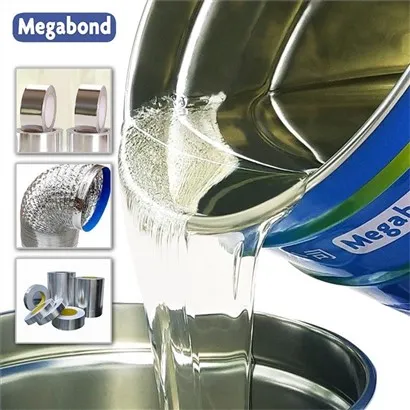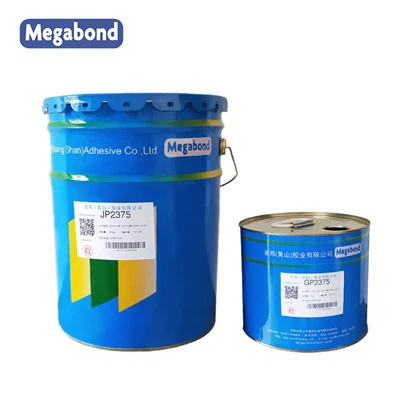


As a supplier of laminate polyurethane glue, I often encounter questions from customers regarding the bonding speed of our products. The bonding speed of laminate polyurethane glue is a critical factor that significantly influences production efficiency and the overall quality of the final product. In this blog, I will delve into the topic to provide a comprehensive understanding of whether laminate polyurethane glue has a high bonding speed.
Factors Affecting Bonding Speed
The bonding speed of laminate polyurethane glue is determined by multiple factors. One of the primary factors is the chemical composition of the glue. Polyurethane glues are known for their reactive nature. They typically consist of two components: a polyol and an isocyanate. When these two components are mixed, a chemical reaction occurs, resulting in the formation of a strong bond. The speed of this reaction can be adjusted by modifying the ratio of the two components and the type of catalysts used.
Another factor is the application conditions. Temperature and humidity play crucial roles in the bonding process. Generally, higher temperatures accelerate the chemical reaction, leading to a faster bonding speed. For example, in a warm and dry environment, the solvent in the glue evaporates more quickly, and the reaction between the polyol and isocyanate proceeds at a faster rate. On the other hand, low temperatures and high humidity can slow down the bonding process, as the solvent evaporation is inhibited, and the reaction kinetics are affected.
The type of substrates being bonded also impacts the bonding speed. Different materials have different surface energies and porosities, which can influence how well the glue spreads and adheres to the surface. For instance, porous materials like wood can absorb the glue more readily, which may speed up the bonding process compared to non - porous materials such as glass or metal.
Our Product Line and Bonding Speed
At our company, we offer a diverse range of laminate polyurethane glues, each designed to meet specific application requirements. Let's take a look at some of our popular products and how their bonding speeds are optimized.
Solvent - based AL Copper Material Laminating Adhesive
Our Solvent - based AL Copper Material Laminating Adhesive is formulated with a special catalyst system that allows for a relatively high bonding speed. This adhesive is specifically designed for laminating aluminum and copper materials. The unique chemical composition enables it to quickly wet the surfaces of these metals, and the reaction between the components starts rapidly under normal application conditions. In a production environment with a temperature of around 25°C and a relative humidity of 50%, this adhesive can achieve a significant initial bond strength within 10 - 15 minutes, which is quite fast compared to some traditional adhesives.
Solvent - based DMD Insulation Laminating PU Glue
The Solvent - based DMD Insulation Laminating PU Glue is engineered for laminating DMD (Dacron - Mylar - Dacron) insulation materials. These materials have specific surface characteristics, and our glue is optimized to bond them efficiently. The bonding speed of this glue is tailored to the production process of insulation laminates. It can form a strong bond within 20 - 25 minutes under standard conditions, which is suitable for the high - volume production of insulation products. The catalyst in this glue is carefully selected to balance the bonding speed and the long - term stability of the bond.
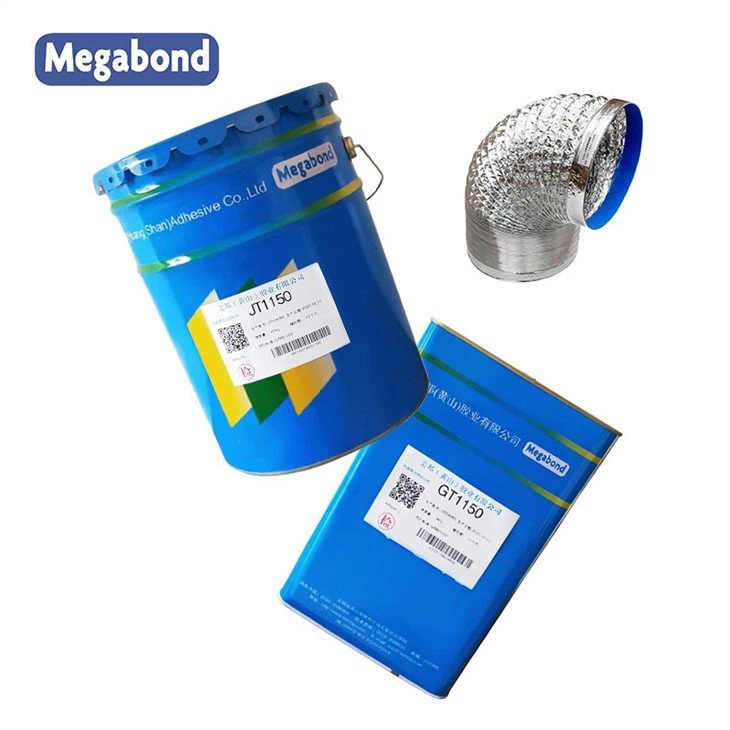

Solvent - based Door Panel PVC Metal Laminating Adhesive
Our Solvent - based Door Panel PVC Metal Laminating Adhesive is designed for bonding PVC and metal in door panel manufacturing. The bonding speed of this adhesive is a key consideration in the production line, where fast throughput is essential. Under ideal conditions (temperature around 30°C and low humidity), this glue can achieve a high - strength bond in as little as 8 - 10 minutes. This rapid bonding speed allows for quick handling of the laminated door panels, reducing production time and increasing overall efficiency.
Advantages of High Bonding Speed
A high bonding speed offers several advantages in industrial applications. Firstly, it significantly improves production efficiency. In a manufacturing setting, time is money. With a fast - bonding laminate polyurethane glue, the production cycle can be shortened, allowing for more products to be produced in a given time frame. This is especially important in high - volume production lines where any reduction in cycle time can lead to substantial cost savings.
Secondly, a high bonding speed reduces the need for large storage areas for partially bonded products. Since the glue bonds quickly, the products can be moved to the next stage of production or packaging almost immediately, freeing up valuable floor space in the factory.
In addition, a fast - bonding glue can enhance the quality of the final product. When the bond forms quickly, there is less chance of the substrates shifting or misaligning during the bonding process, resulting in a more precise and stable laminate.
How to Optimize Bonding Speed
To achieve the highest possible bonding speed with our laminate polyurethane glues, we recommend the following steps:
- Proper Mixing: Ensure that the two components of the glue are mixed thoroughly according to the specified ratio. Incomplete mixing can slow down the reaction and lead to a weaker bond.
- Optimal Application Conditions: Control the temperature and humidity of the application environment. If possible, maintain a temperature between 25 - 30°C and a relative humidity below 60%. Pre - heating the substrates can also help to speed up the bonding process.
- Surface Preparation: Clean and prepare the surfaces of the substrates before applying the glue. Remove any dirt, grease, or oxidation layers to ensure good adhesion and a faster bonding reaction.
Conclusion
In conclusion, laminate polyurethane glue can have a high bonding speed, especially when formulated correctly and used under optimal conditions. Our company's range of laminate polyurethane glues, such as the Solvent - based AL Copper Material Laminating Adhesive, Solvent - based DMD Insulation Laminating PU Glue, and Solvent - based Door Panel PVC Metal Laminating Adhesive, are designed to provide fast and reliable bonding for various applications.
If you are interested in learning more about our products or would like to discuss your specific bonding requirements, we invite you to contact us for a procurement negotiation. Our team of experts is ready to assist you in finding the most suitable laminate polyurethane glue for your needs.
References
- “Polyurethane Adhesives: Chemistry, Technology, and Applications” by David A. Potts.
- “Adhesion Science and Engineering: Surfaces, Chemistry, and Applications” edited by K. L. Mittal.