

Hey there! As a supplier of PU lamination adhesives, I often get asked if these adhesives can bond plastics. Well, the short answer is yes, but there's a lot more to it than that. In this blog post, I'm going to dive deep into the world of PU lamination adhesives and their ability to bond plastics.
First off, let's talk about what PU lamination adhesives are. PU stands for polyurethane, which is a type of polymer. These adhesives are known for their excellent bonding properties, flexibility, and durability. They can be used in a wide range of applications, including packaging, automotive, and textiles.
Now, when it comes to bonding plastics, PU lamination adhesives have some real advantages. One of the key factors is their ability to form strong chemical bonds with the plastic surface. Plastics can be a bit tricky to bond because they often have low surface energy, which means that adhesives don't stick to them very well. But PU adhesives can overcome this challenge by reacting with the plastic at a molecular level.
There are different types of plastics out there, and not all of them are created equal when it comes to bonding with PU lamination adhesives. Some plastics, like polyethylene (PE) and polypropylene (PP), have very low surface energy and are considered difficult-to-bond plastics. However, with the right surface treatment and the use of the appropriate PU adhesive, it's still possible to achieve a strong bond.
For example, if you're working with PE or PP plastics, you might need to use a primer or a surface treatment to increase the surface energy. This can help the PU adhesive to better wet out the plastic surface and form a stronger bond. Another option is to use a special type of PU adhesive that is designed specifically for bonding these difficult-to-bond plastics.
On the other hand, there are plastics like polyvinyl chloride (PVC), acrylonitrile butadiene styrene (ABS), and polycarbonate (PC) that are relatively easier to bond with PU lamination adhesives. These plastics have higher surface energy, which allows the adhesive to adhere more easily.
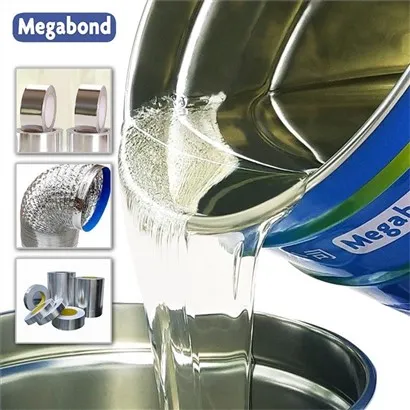
Let's take a look at some of the specific products we offer as a PU lamination adhesive supplier. We have the Solvent-based MET Plastic Film Laminating Adhesive. This adhesive is great for bonding metalized plastic films. It provides excellent adhesion and has good resistance to heat and chemicals.


Another product is the Solvent-based Anti-Chemicals Polyether Laminating Adhesive. As the name suggests, this adhesive is designed to resist the effects of chemicals. It's a great choice when you need to bond plastics in an environment where they might be exposed to various chemicals.
We also offer the Solvent-based AL-plating Film Laminating Adhesive. This adhesive is specifically formulated for bonding aluminum-plated films to plastics. It offers high bond strength and good flexibility.
When using PU lamination adhesives to bond plastics, there are a few things to keep in mind. First, proper surface preparation is crucial. As I mentioned earlier, for difficult-to-bond plastics, surface treatment might be necessary. This can involve cleaning the plastic surface to remove any dirt, grease, or contaminants. You might also need to sand or etch the surface to increase its roughness and surface area, which can improve the adhesion of the adhesive.
The application process also matters. Make sure to apply the adhesive evenly on the plastic surface. The thickness of the adhesive layer is important too. If the layer is too thin, it might not provide enough bonding strength. If it's too thick, it can lead to longer curing times and might even cause issues with the final bond.
Curing is another critical step. PU lamination adhesives usually require a certain amount of time and temperature to fully cure. Follow the manufacturer's instructions carefully to ensure that the adhesive cures properly. This will help to achieve the maximum bond strength and durability.
In some cases, you might need to consider the environmental conditions in which the bonded plastics will be used. For example, if the application will be exposed to high temperatures or humidity, you'll need to choose a PU adhesive that can withstand these conditions.
So, in conclusion, PU lamination adhesives can definitely bond plastics. With the right choice of adhesive, proper surface preparation, and correct application and curing processes, you can achieve strong and durable bonds between plastics. Whether you're working on a packaging project, an automotive component, or something else, our range of PU lamination adhesives can provide the solution you need.
If you're interested in learning more about our PU lamination adhesives or have a specific project in mind, don't hesitate to reach out. We're here to help you find the best adhesive for your needs and ensure that your bonding process is a success.
References
- Various industry reports on polyurethane adhesives and plastic bonding
- Technical data sheets of our PU lamination adhesives products