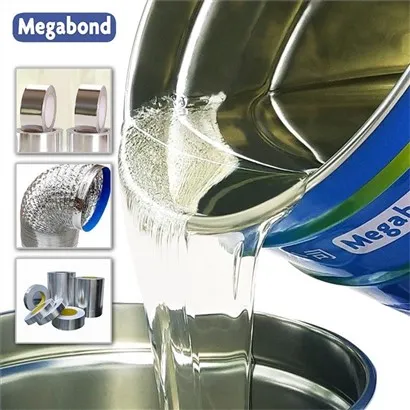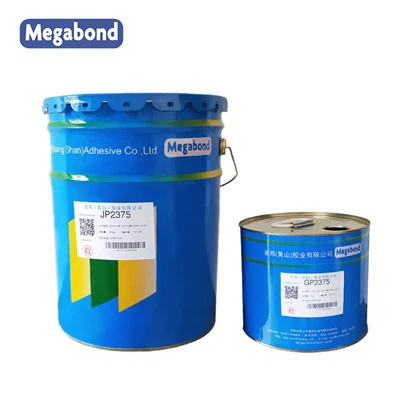


As a solventless lamination adhesive supplier, one of the most common questions I encounter from our customers is whether our products cause any corrosion to substrates. This is a crucial concern, especially in industries where the integrity of the substrate is paramount for the quality and longevity of the final product. In this blog, I will delve into the science behind solventless lamination adhesives and their potential to cause corrosion to substrates.
Understanding Solventless Lamination Adhesives
Solventless lamination adhesives are a type of adhesive that does not contain any solvents. Unlike solvent-based adhesives, which release volatile organic compounds (VOCs) during the curing process, solventless adhesives offer a more environmentally friendly and safer alternative. They are typically composed of two components: a polyol and an isocyanate, which react to form a strong and durable bond between the substrates.
The absence of solvents in these adhesives has several advantages. Firstly, it eliminates the need for solvent recovery systems, reducing both the cost and environmental impact of the lamination process. Secondly, it allows for faster curing times, increasing production efficiency. Finally, solventless adhesives generally have better adhesion properties, resulting in a stronger and more reliable bond between the substrates.
Factors Affecting Corrosion
To understand whether solventless lamination adhesives can cause corrosion to substrates, it is important to consider the factors that contribute to corrosion. Corrosion is a chemical reaction that occurs when a metal or other material is exposed to an environment that causes it to deteriorate. The main factors that influence corrosion include:
- Chemical Composition of the Adhesive: The chemical composition of the solventless lamination adhesive can play a significant role in its potential to cause corrosion. Some adhesives may contain reactive chemicals or additives that can react with the substrate, leading to corrosion. However, reputable adhesive suppliers, like us, carefully formulate our products to minimize the risk of corrosion. We use high-quality raw materials and conduct extensive testing to ensure that our adhesives are compatible with a wide range of substrates.
- pH Level: The pH level of the adhesive can also affect its corrosiveness. Adhesives with a high or low pH can be more likely to cause corrosion, especially when in contact with certain metals. Our solventless lamination adhesives are formulated to have a neutral pH, which helps to minimize the risk of corrosion.
- Moisture and Humidity: Moisture and humidity are major contributors to corrosion. When water comes into contact with a metal substrate, it can initiate a chemical reaction that leads to the formation of rust or other corrosion products. Solventless lamination adhesives can act as a barrier, preventing moisture from reaching the substrate and reducing the risk of corrosion. However, it is important to ensure that the lamination process is carried out in a controlled environment to minimize the exposure of the substrates to moisture.
- Substrate Material: Different substrates have different susceptibilities to corrosion. For example, metals such as aluminum and steel are more prone to corrosion than plastics or paper. When selecting a solventless lamination adhesive, it is important to consider the substrate material and choose an adhesive that is specifically formulated for use with that material.
Our Solventless Lamination Adhesive Products
At our company, we offer a range of solventless lamination adhesives that are designed to meet the specific needs of our customers. Our products are formulated to provide excellent adhesion, high chemical resistance, and low risk of corrosion. Here are some of our key products:
- Solvent-free Anti-Chemicals Laminating Adhesive: This adhesive is specifically designed for applications where the substrate needs to be protected from chemicals. It offers excellent resistance to a wide range of chemicals, including acids, bases, and solvents, making it ideal for use in the packaging of chemical products.
- Solvent-free Aluminum Foil To Films Laminating Adhesive: This adhesive is formulated for laminating aluminum foil to various films. It provides strong adhesion and excellent barrier properties, protecting the aluminum foil from corrosion and ensuring the integrity of the package.
- Solvent-free MET Plastic Film Laminating Adhesive: This adhesive is suitable for laminating metalized plastic films. It offers good adhesion and flexibility, ensuring a reliable bond between the films. It also has excellent resistance to moisture and oxygen, protecting the substrate from corrosion and maintaining the quality of the product.
Testing and Quality Assurance
To ensure the quality and performance of our solventless lamination adhesives, we conduct extensive testing at every stage of the production process. We test our adhesives for adhesion strength, chemical resistance, and compatibility with different substrates. We also perform corrosion tests to evaluate the potential of our adhesives to cause corrosion to various metals and other materials.
Our testing facilities are equipped with state-of-the-art equipment and staffed by experienced technicians. We follow strict quality control procedures to ensure that our products meet the highest standards of quality and performance. By investing in research and development, we are constantly improving our products to meet the evolving needs of our customers and to minimize the risk of corrosion.
Conclusion
In conclusion, solventless lamination adhesives generally do not cause corrosion to substrates when they are properly formulated and used. Reputable adhesive suppliers, like us, take great care to ensure that their products are compatible with a wide range of substrates and do not contain any chemicals or additives that could cause corrosion. By considering the factors that affect corrosion, such as the chemical composition of the adhesive, pH level, moisture and humidity, and substrate material, and by conducting thorough testing, we can provide our customers with high-quality solventless lamination adhesives that offer excellent adhesion and low risk of corrosion.


If you are interested in learning more about our solventless lamination adhesives or have any questions about their potential to cause corrosion to your substrates, please feel free to contact us. Our team of experts is always available to provide you with the information and support you need to make the right choice for your lamination application.
References
- "Handbook of Adhesives and Sealants", Second Edition, edited by Andrew Pizzi and K. L. Mittal.
- "Corrosion Engineering", Fourth Edition, by Mars G. Fontana.
- Technical literature provided by leading adhesive manufacturers.