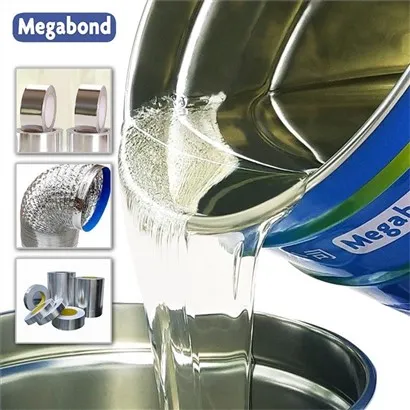


Hey there! As a supplier of PU lamination adhesives, I know firsthand how crucial it is to store these products properly. In this blog, I'll share some tips and tricks on how to ensure your PU lamination adhesives stay in top - notch condition.
First off, let's understand what PU lamination adhesives are. Polyurethane (PU) lamination adhesives are widely used in various industries, especially in packaging, automotive, and textile, due to their excellent bonding strength, flexibility, and chemical resistance. But they're also quite sensitive to environmental factors, which is why proper storage is so important.
Temperature Control
One of the most critical factors in storing PU lamination adhesives is temperature. These adhesives should be stored in a cool and dry place. Generally, the ideal temperature range for storing PU lamination adhesives is between 10°C and 30°C.
If the temperature is too high, let's say above 30°C, the chemical reaction within the adhesive may speed up. This can lead to premature curing or thickening of the adhesive. Once the adhesive thickens, it becomes difficult to apply evenly, and the bonding quality will be affected. For example, if you're using a Solvent Based 135℃ Anti - Retorting Laminating Adhesive for food packaging lamination, high - temperature storage can cause the adhesive to lose its anti - retorting properties, and the package may fail during the retorting process.
On the other hand, if the temperature drops below 10°C, the adhesive may become too viscous or even freeze. When an adhesive freezes, its chemical structure can be damaged, and it may not regain its original properties even after thawing. So, make sure to keep your storage area well - insulated and use temperature - control equipment like air conditioners or heaters if necessary.
Humidity Management
Humidity is another enemy of PU lamination adhesives. These adhesives are sensitive to moisture because the isocyanate groups in polyurethane can react with water. High humidity levels can cause the adhesive to absorb moisture from the air, leading to a chemical reaction called hydrolysis.
Hydrolysis can result in the formation of carbon dioxide gas and can also change the molecular structure of the adhesive. This can cause the adhesive to foam, become cloudy, or lose its bonding strength. To prevent this, it's recommended to keep the relative humidity in the storage area below 60%. You can use dehumidifiers to control the humidity levels. And always keep the adhesive containers tightly sealed to minimize moisture ingress.
Light Exposure
PU lamination adhesives should be protected from direct sunlight and UV light. UV rays can cause the adhesive to degrade over time. The polymers in the adhesive can break down under the influence of UV light, which can lead to a decrease in bonding strength and an increase in brittleness.
So, store your adhesives in opaque containers or in a storage area that is not exposed to direct sunlight. If you're using transparent or semi - transparent containers, consider covering them with a light - blocking material.

Storage Containers
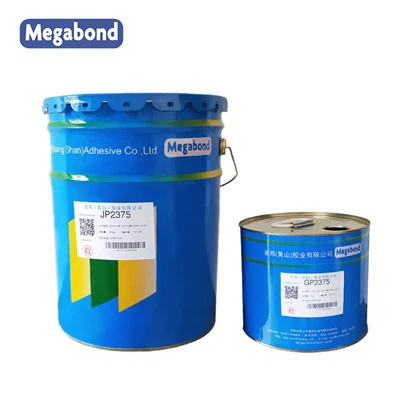
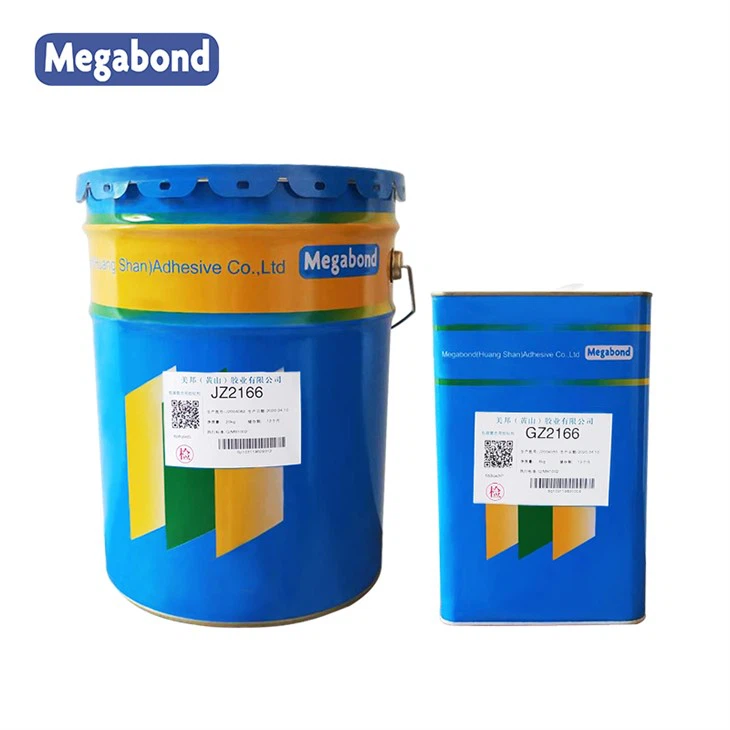
The choice of storage containers is also important. Always use containers that are made of materials compatible with PU lamination adhesives. For solvent - based adhesives, containers made of high - density polyethylene (HDPE) or stainless steel are good options. These materials are resistant to the solvents used in the adhesives and can prevent chemical reactions between the container and the adhesive.
Make sure the containers are clean and dry before filling them with the adhesive. Any residue or moisture in the container can contaminate the adhesive and affect its performance. Also, label the containers clearly with the name of the adhesive, the date of receipt, and the expiration date. This will help you keep track of your inventory and ensure that you use the oldest adhesives first.
Ventilation
Good ventilation is essential when storing solvent - based PU lamination adhesives. Solvent - based adhesives release volatile organic compounds (VOCs) into the air. High concentrations of VOCs can be harmful to human health and can also pose a fire hazard.
Ensure that your storage area has proper ventilation systems, such as exhaust fans or air vents. This will help to remove the VOCs from the storage area and keep the air fresh. If you're using Solvent - based Anti - Additives Laminating Adhesive or Solvent - based 135℃ Anti - Steaming Laminating Adhesive, proper ventilation is even more important because these adhesives often contain solvents with strong odors and potentially high VOC emissions.
Inventory Management
Proper inventory management is also part of storing PU lamination adhesives properly. Keep track of your stock levels and use the first - in - first - out (FIFO) principle. This means using the adhesives that you received first before using the newer ones. This helps to ensure that you don't use adhesives that are past their expiration date.
Most PU lamination adhesives have a shelf life of about 6 to 12 months, depending on the specific product and storage conditions. Check the product data sheet for the exact shelf life information. And regularly inspect your inventory for any signs of damage, leakage, or changes in the adhesive's appearance or consistency.
Safety Precautions
When handling and storing PU lamination adhesives, safety should always be a top priority. Wear appropriate personal protective equipment (PPE), such as gloves, goggles, and a respirator, especially when dealing with solvent - based adhesives. These adhesives can be irritating to the skin, eyes, and respiratory system.
In case of a spill, clean it up immediately. Use absorbent materials like sand or vermiculite to soak up the spilled adhesive, and then dispose of the contaminated materials properly according to local regulations.
If you're looking for high - quality PU lamination adhesives and need more advice on storage or application, feel free to reach out to us. We're always here to help you make the most of our products. Whether you're in the food packaging industry, automotive manufacturing, or any other sector that requires reliable lamination adhesives, we've got you covered. Let's start a conversation about your specific needs and find the perfect adhesive solution for you.
References
- "Polyurethane Adhesives: Chemistry, Technology, and Applications" by A. K. Bhowmick and H. L. Stephens
- Product data sheets of various PU lamination adhesives from our company