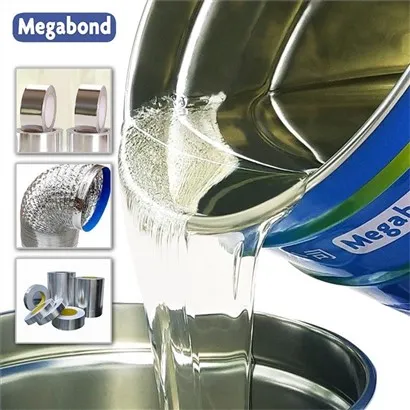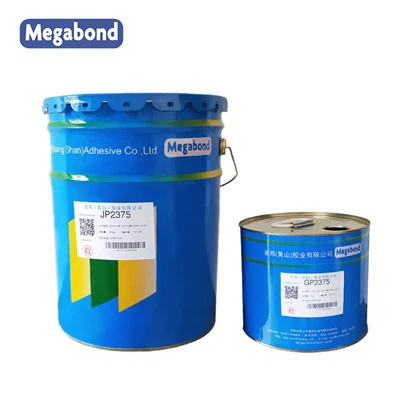


Hey there! As a supplier of PU lamination adhesives, I often get asked about how these cool adhesives actually work. So, in this blog, I'm gonna break it down for you in a way that's easy to understand.


What are PU Lamination Adhesives?
First off, let's talk about what PU stands for - it's polyurethane. Polyurethane lamination adhesives are super versatile and are used in a bunch of industries, like packaging, automotive, and textiles. They're great at bonding different materials together, creating a strong and durable bond.
The Basics of How They Work
PU lamination adhesives work through a chemical reaction. Most of them are two - component adhesives, which means they come in two parts: a resin and a hardener. When you mix these two parts together, a chemical reaction called cross - linking starts happening.
The resin is usually a polyol, which is a type of alcohol with multiple hydroxyl groups. The hardener is typically an isocyanate. When the polyol and the isocyanate react, they form a polymer network. This network is what gives the adhesive its strength and durability.
Application Process
Mixing
The first step is to mix the resin and the hardener in the right ratio. This is crucial because if the ratio is off, the adhesive won't work as well. You need to use a proper mixing equipment to make sure the two components are evenly blended.
Coating
Once the adhesive is mixed, it's time to apply it to the materials you want to bond. There are different ways to do this. One common method is roll coating, where the adhesive is applied to a roller and then transferred to the substrate. Another method is spray coating, which is useful for larger areas or when you need a more even application.
Lamination
After the adhesive is applied to one or both of the substrates, the two materials are pressed together. This pressure helps to spread the adhesive evenly and ensures good contact between the substrates. The pressure also helps to initiate and speed up the cross - linking reaction.
Factors Affecting the Performance
Temperature
Temperature plays a big role in how PU lamination adhesives work. The cross - linking reaction is temperature - dependent. In general, higher temperatures speed up the reaction, while lower temperatures slow it down. But if the temperature is too high, the adhesive might cure too quickly, leading to a brittle bond. On the other hand, if it's too low, the reaction might not complete, resulting in a weak bond.
Humidity
Humidity can also affect the performance of PU lamination adhesives. Isocyanates in the hardener can react with moisture in the air. If the humidity is too high, this side reaction can consume some of the hardener, affecting the cross - linking process and the final properties of the adhesive.
Substrate Surface
The surface of the substrates being bonded is important too. The substrates need to be clean, dry, and free of any contaminants like grease, oil, or dust. If the surface is not clean, the adhesive won't be able to bond properly, and the bond strength will be reduced.
Types of PU Lamination Adhesives
Solvent - based Adhesives
Solvent - based PU lamination adhesives are widely used. They have good adhesion properties and are suitable for a variety of substrates. These adhesives contain solvents that help to dissolve the resin and hardener, making them easier to apply.
One of our popular solvent - based products is the Solvent - based Film Laminating Adhesive. It's great for bonding films in packaging applications. It provides a strong and flexible bond, which is important for packaging materials that need to withstand some bending and stretching.
We also have the Solvent - based 135℃ Anti - Steaming Laminating Adhesive. This adhesive is designed to withstand high temperatures and steam, making it ideal for packaging products that need to be sterilized or cooked in a steam environment.
Another one is the Solvent - based 125℃ Anti - Retorting Laminating Adhesive. It can resist the high - temperature and high - pressure conditions during the retorting process, which is commonly used in food packaging.
Solvent - free Adhesives
Solvent - free PU lamination adhesives are becoming more popular because they are more environmentally friendly. They don't contain any solvents, so there's no emission of volatile organic compounds (VOCs). These adhesives are also safer to use in the workplace.
Advantages of PU Lamination Adhesives
Strong Bond
PU lamination adhesives provide a very strong bond between different materials. This bond can withstand a lot of stress, whether it's from mechanical forces, temperature changes, or chemical exposure.
Flexibility
They offer good flexibility, which means the bonded materials can bend and stretch without the bond breaking. This is especially important in applications like automotive interiors or flexible packaging.
Chemical Resistance
PU lamination adhesives are resistant to many chemicals, including oils, greases, and some solvents. This makes them suitable for use in harsh environments.
Conclusion
So, that's how PU lamination adhesives work. They're pretty amazing, right? Whether you're in the packaging industry, automotive, or textiles, these adhesives can provide a reliable solution for bonding different materials together.
If you're interested in our PU lamination adhesives and want to learn more about our products or have any questions regarding your specific application, feel free to reach out to us. We're here to help you find the best adhesive for your needs and guide you through the whole process. Let's start a conversation and see how we can work together!
References
- "Handbook of Adhesive Technology" by A. Pizzi and K. L. Mittal
- "Polyurethane Handbook" by G. Oertel