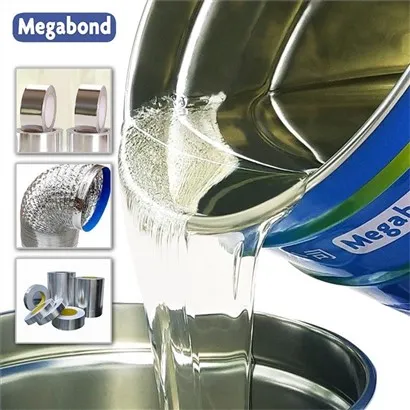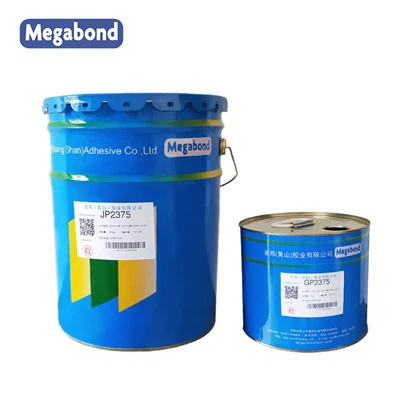


In the dynamic world of adhesive technology, polyurethane laminating adhesives have emerged as a cornerstone for various industries, offering remarkable bonding strength, flexibility, and durability. As a dedicated supplier of polyurethane laminating adhesives, I've witnessed firsthand the transformative impact these products can have on manufacturing processes. However, optimizing the coating process of these adhesives is crucial to achieving the best results. In this blog post, I'll share some insights and practical tips on how to optimize the coating process of polyurethane laminating adhesives.
Understanding the Basics of Polyurethane Laminating Adhesives
Before delving into the optimization strategies, it's essential to understand the fundamental characteristics of polyurethane laminating adhesives. These adhesives are known for their excellent adhesion to a wide range of substrates, including plastics, metals, fabrics, and paper. They can be formulated as solvent-based, water-based, or solvent-free systems, each with its own set of advantages and limitations.
Solvent-based polyurethane laminating adhesives, such as our Solvent-based Reflective Beads Laminating Adhesive, Solvent-based Door Panel PVC Metal Laminating Adhesive, and Solvent-based DMD Insulation Laminating PU Glue, offer high initial tack, fast drying times, and excellent chemical resistance. They are commonly used in applications where high bond strength and resistance to harsh environments are required.
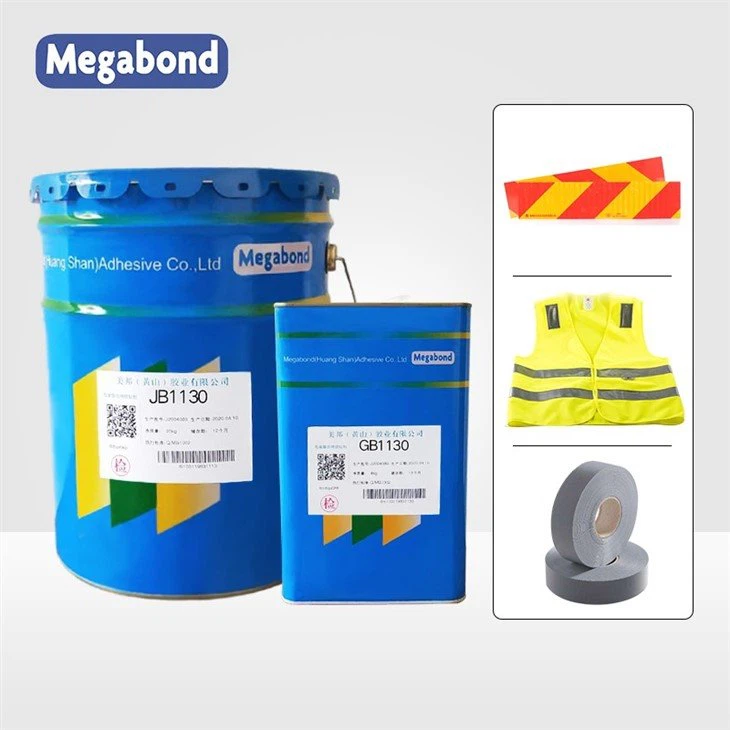

Water-based polyurethane laminating adhesives, on the other hand, are more environmentally friendly and offer lower VOC emissions. They are suitable for applications where a clean and safe working environment is a priority. Solvent-free polyurethane laminating adhesives are ideal for applications where the presence of solvents is not acceptable, such as in food packaging and medical devices.
Factors Affecting the Coating Process
Several factors can influence the coating process of polyurethane laminating adhesives, including substrate surface preparation, adhesive viscosity, coating method, drying conditions, and curing time. Let's take a closer look at each of these factors:
Substrate Surface Preparation
Proper substrate surface preparation is crucial for achieving good adhesion. The substrate surface should be clean, dry, and free of any contaminants, such as dust, oil, or grease. Depending on the substrate material, surface treatment methods such as sanding, priming, or corona treatment may be required to improve the adhesion of the adhesive.
Adhesive Viscosity
The viscosity of the adhesive plays a significant role in the coating process. It affects the flowability of the adhesive, the thickness of the coating, and the ease of application. The viscosity of the adhesive can be adjusted by adding solvents or thinners, or by changing the temperature of the adhesive.
Coating Method
There are several coating methods available for applying polyurethane laminating adhesives, including roll coating, spray coating, and knife coating. The choice of coating method depends on the type of substrate, the desired coating thickness, and the production volume.
Roll coating is a commonly used method for applying adhesives to flat substrates. It involves passing the substrate through a series of rollers that apply the adhesive evenly to the surface. Spray coating is suitable for applying adhesives to irregularly shaped substrates or for achieving a thin and uniform coating. Knife coating is used for applying adhesives to thick or rigid substrates.
Drying Conditions
The drying conditions of the adhesive are critical for achieving good adhesion and preventing defects such as blistering, cracking, or delamination. The drying time of the adhesive depends on several factors, including the type of adhesive, the coating thickness, the drying temperature, and the humidity.
In general, solvent-based adhesives dry faster than water-based adhesives. However, the drying time can be significantly reduced by increasing the drying temperature or by using a forced air drying system. It's important to note that over-drying the adhesive can also cause problems, such as reduced adhesion and increased brittleness.
Curing Time
Curing is the process by which the adhesive undergoes a chemical reaction to form a strong and durable bond. The curing time of the adhesive depends on several factors, including the type of adhesive, the curing temperature, and the presence of catalysts.
Most polyurethane laminating adhesives require a certain amount of time to cure at room temperature. However, the curing time can be significantly reduced by increasing the curing temperature or by using a heat curing system. It's important to follow the manufacturer's recommendations for curing time and temperature to ensure optimal performance of the adhesive.
Optimization Strategies for the Coating Process
Now that we've discussed the factors affecting the coating process, let's explore some optimization strategies that can help you achieve the best results:
Choose the Right Adhesive
The first step in optimizing the coating process is to choose the right adhesive for your application. Consider the type of substrate, the desired bond strength, the environmental conditions, and the production volume when selecting an adhesive. Our technical support team can help you choose the most suitable adhesive for your specific requirements.
Optimize the Substrate Surface Preparation
Proper substrate surface preparation is essential for achieving good adhesion. Make sure the substrate surface is clean, dry, and free of any contaminants. Use the appropriate surface treatment methods to improve the adhesion of the adhesive.
Control the Adhesive Viscosity
The viscosity of the adhesive should be carefully controlled to ensure uniform coating thickness and ease of application. Adjust the viscosity of the adhesive by adding solvents or thinners, or by changing the temperature of the adhesive.
Select the Appropriate Coating Method
Choose the coating method that is most suitable for your substrate and production requirements. Consider the type of substrate, the desired coating thickness, and the production volume when selecting a coating method.
Optimize the Drying Conditions
The drying conditions of the adhesive should be optimized to ensure fast and uniform drying. Use a forced air drying system or increase the drying temperature to reduce the drying time. However, be careful not to over-dry the adhesive, as this can cause problems such as reduced adhesion and increased brittleness.
Follow the Manufacturer's Recommendations for Curing
Follow the manufacturer's recommendations for curing time and temperature to ensure optimal performance of the adhesive. Use a heat curing system or increase the curing temperature to reduce the curing time. However, make sure to allow sufficient time for the adhesive to fully cure before subjecting it to any stress or load.
Conclusion
Optimizing the coating process of polyurethane laminating adhesives is crucial for achieving the best results. By understanding the factors affecting the coating process and implementing the optimization strategies discussed in this blog post, you can improve the quality and performance of your laminating products, reduce production costs, and increase productivity.
If you have any questions or need further assistance with optimizing the coating process of polyurethane laminating adhesives, please don't hesitate to contact us. Our team of experts is always ready to help you find the best solutions for your specific requirements. We look forward to the opportunity to discuss your adhesive needs and explore potential collaborations.
References
- "Polyurethane Adhesives: Chemistry, Technology, and Applications" by K. C. Frisch and D. Klempner
- "Handbook of Adhesive Technology" edited by A. Pizzi and K. L. Mittal
- "Adhesive Bonding: Science, Technology, and Applications" by L. H. Lee