

Hey there! As a supplier of Polyether lamination adhesive, I'm super excited to dive into how this amazing stuff works. So, let's get right into it!
What's Polyether Lamination Adhesive?
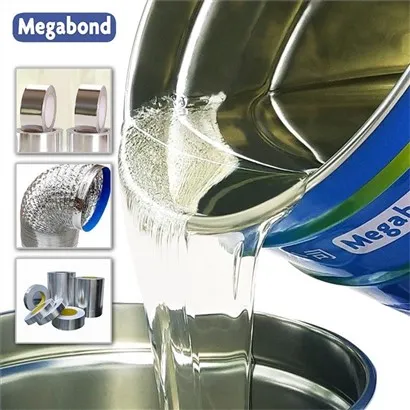
First off, let's talk about what polyether lamination adhesive actually is. It's a type of adhesive that's widely used in the packaging industry to bond different types of materials together. Whether it's plastic films, paper, or metal foils, polyether lamination adhesive can create a strong and durable bond.
The main reason why it's so popular is its versatility. It can be used in various applications, from food packaging to industrial packaging. And it's not just about strength; it also offers good chemical resistance, flexibility, and heat resistance.
The Science Behind the Bond
Now, let's get into the nitty - gritty of how it works. At a molecular level, polyether lamination adhesive forms bonds through a chemical reaction called polymerization. When the adhesive is applied to the surfaces to be bonded, the reactive components in the adhesive start to react with each other.
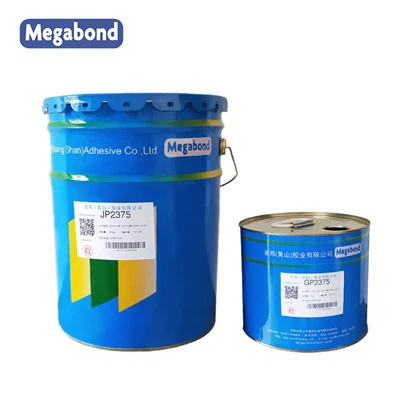
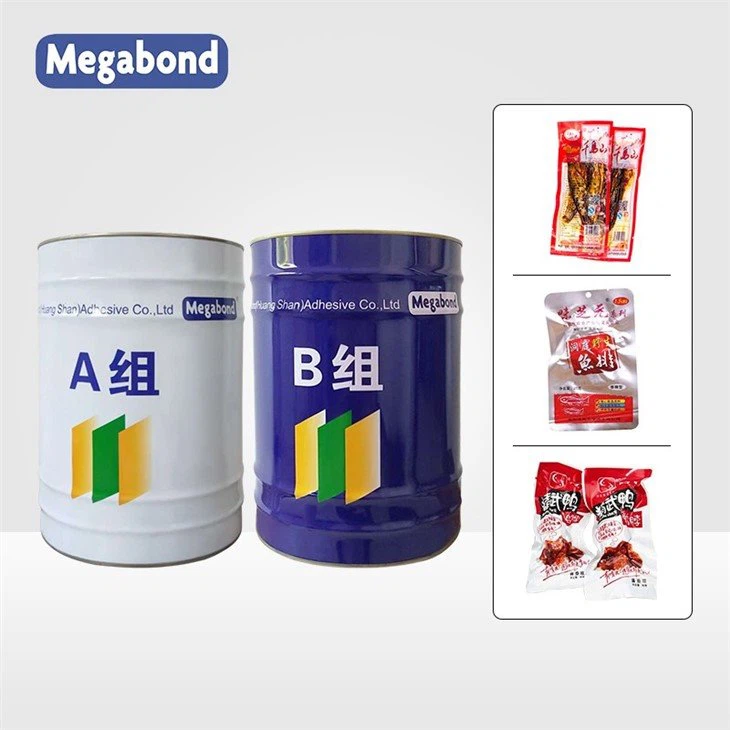
Most polyether lamination adhesives are two - component systems. One component is the resin, and the other is the hardener. When these two are mixed together, a chemical reaction occurs. The resin molecules start to link up with the hardener molecules, forming a three - dimensional network.
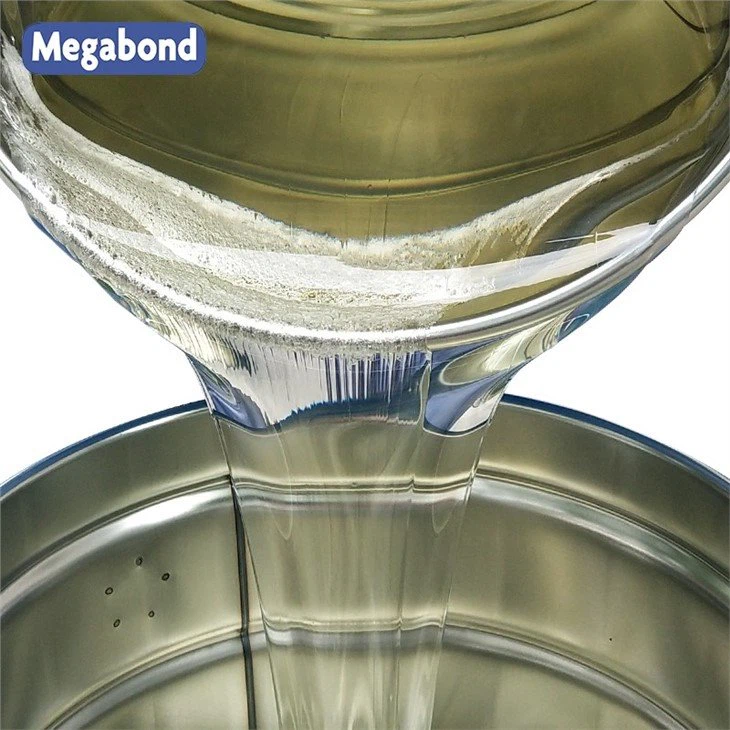
This network is what gives the adhesive its strength. As the reaction progresses, the adhesive changes from a liquid state to a solid state. During this process, it adheres to the surfaces of the materials being bonded, creating a strong and permanent bond.
Application Process
The application process of polyether lamination adhesive is crucial for its performance. First, the two components of the adhesive need to be mixed in the correct ratio. This is usually specified by the manufacturer. If the ratio is off, the adhesive may not cure properly, resulting in a weak bond.
Once the components are mixed, the adhesive is applied to one of the surfaces using a coating method. This can be done by roll coating, spray coating, or gravure coating. Roll coating is one of the most common methods, where a roller is used to apply a thin and even layer of adhesive onto the surface.
After the adhesive is applied, the two materials to be bonded are brought together under pressure. This helps to spread the adhesive evenly and ensure good contact between the surfaces. The pressure also helps to squeeze out any air bubbles that may be trapped between the layers, which could weaken the bond.
Factors Affecting Performance
There are several factors that can affect the performance of polyether lamination adhesive. Temperature is one of the most important factors. The curing process of the adhesive is temperature - dependent. Generally, a higher temperature will speed up the curing process, but if the temperature is too high, it can cause the adhesive to cure too quickly, resulting in a brittle bond.
Humidity also plays a role. High humidity can slow down the curing process, as the moisture in the air can react with the adhesive components. On the other hand, very low humidity can cause the adhesive to dry out too quickly, which may also affect the bond strength.
The surface properties of the materials being bonded are also crucial. The surfaces need to be clean, dry, and free of any contaminants such as dust, grease, or oil. If the surfaces are not properly prepared, the adhesive may not adhere well, leading to a weak bond.
Our Product Range
As a supplier, we offer a wide range of polyether lamination adhesives to meet different customer needs. For example, we have the Solvent - free MET Plastic Film Laminating Adhesive. This adhesive is specifically designed for bonding metalized plastic films. It offers excellent adhesion and good resistance to chemicals, making it ideal for food packaging applications.
We also have the Solvent - free 125℃ Retortable Laminating Adhesive. This adhesive can withstand high - temperature retort processes, which are commonly used in the food industry to sterilize packaged food. It provides a strong and durable bond even after being exposed to high temperatures and pressures.
Another great product in our range is the Solvent - free 121℃ Retortable Laminating Adhesive. Similar to the 125℃ version, but it's designed for slightly lower - temperature retort processes. It offers good adhesion and excellent chemical resistance, ensuring the safety and quality of the packaged products.
Why Choose Our Adhesives
There are several reasons why you should choose our polyether lamination adhesives. First of all, we use high - quality raw materials in our production process. This ensures the reliability and performance of our adhesives.
We also have a team of experts who are constantly working on improving our products. We conduct extensive research and development to come up with new formulations that can meet the changing needs of the market.
In addition, we offer excellent customer service. Our team is always ready to answer your questions, provide technical support, and help you choose the right adhesive for your specific application.
Let's Talk Business
If you're in the market for polyether lamination adhesive, we'd love to hear from you. Whether you're a small business or a large corporation, we can provide you with the right adhesive solutions. Our products are not only high - quality but also cost - effective.
We understand that every customer has unique requirements, and we're committed to working with you to find the best adhesive for your needs. So, if you're interested in learning more about our products or have any questions, don't hesitate to reach out. We're looking forward to starting a great business relationship with you.
References
- Packaging Adhesive Handbook. Edited by leading experts in the field.
- Journal of Adhesive Science and Technology, various issues on lamination adhesives.
- Manufacturer's technical data sheets on polyether lamination adhesives.