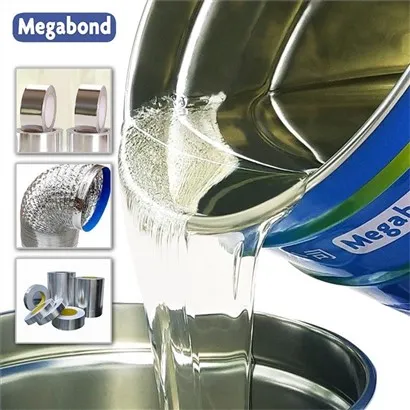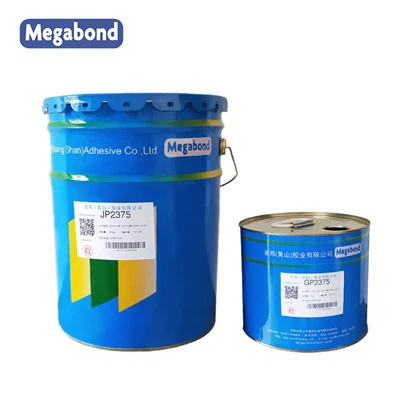


Polyurethane laminating adhesives are a critical component in various industries, especially in packaging and manufacturing. As a supplier of high - quality polyurethane laminating adhesives, I'm excited to share with you how these remarkable adhesives work.
Understanding Polyurethane Laminating Adhesives
Polyurethane laminating adhesives are a type of adhesive that combines two main components: a polyol and an isocyanate. These two components react with each other to form a strong, durable bond. The reaction between the polyol and the isocyanate is a chemical process known as polymerization. This polymerization reaction creates a three - dimensional network of polymer chains, which gives the adhesive its strength and flexibility.
The properties of polyurethane laminating adhesives can be tailored by adjusting the ratio of the polyol to the isocyanate, as well as by using different types of polyols and isocyanates. This flexibility allows us to create adhesives that are suitable for a wide range of applications, from flexible packaging to industrial laminates.
The Lamination Process
The process of using polyurethane laminating adhesives typically involves several steps. First, the adhesive is prepared by mixing the polyol and the isocyanate components in the correct ratio. This mixture is then applied to one or both of the substrates that need to be bonded together. The substrates can be made of various materials, such as plastics, paper, or metal.
There are different methods for applying the adhesive, including roll coating, gravure coating, and spray coating. Roll coating is one of the most common methods, where the adhesive is transferred from a roll to the substrate. Gravure coating uses an engraved cylinder to apply a precise amount of adhesive, while spray coating is suitable for large - scale applications where a uniform coating is required.
After the adhesive is applied, the two substrates are brought into contact with each other under pressure. This pressure helps to spread the adhesive evenly and ensures good contact between the substrates and the adhesive. The pressure also helps to remove any air bubbles that may be trapped between the substrates.
Curing Process
Once the substrates are bonded together, the adhesive needs to cure. Curing is the process by which the adhesive hardens and develops its full strength. The curing process of polyurethane laminating adhesives can occur at room temperature or at elevated temperatures, depending on the type of adhesive and the application requirements.
At room temperature, the curing process can take several hours to several days. However, in industrial applications, it is often necessary to speed up the curing process. This can be achieved by heating the bonded substrates in an oven or using infrared heaters. Heating the adhesive accelerates the polymerization reaction, allowing the adhesive to cure more quickly.
During the curing process, the adhesive undergoes a series of chemical changes. The polyol and the isocyanate continue to react with each other, forming a cross - linked polymer network. This network provides the adhesive with its strength, flexibility, and resistance to heat, chemicals, and moisture.
Performance and Applications
Polyurethane laminating adhesives offer several advantages over other types of adhesives. They have excellent adhesion to a wide range of substrates, including plastics, metals, and paper. They also have good flexibility, which allows them to withstand bending and stretching without losing their bond strength.
In the packaging industry, polyurethane laminating adhesives are widely used for flexible packaging applications. They are used to bond different layers of plastic films together to create multi - layer packaging structures. These structures provide excellent barrier properties against oxygen, moisture, and light, which helps to extend the shelf life of the packaged products.
For example, our Solvent Based 135℃ Anti - Retorting Laminating Adhesive is specifically designed for applications where the packaged products need to undergo retorting processes at high temperatures. Retorting is a process of heating the packaged food in a sealed container to kill bacteria and extend its shelf life. This adhesive can withstand the high temperatures and pressures involved in the retorting process, ensuring that the packaging remains intact.
Our Solvent - based 121℃ Anti - Steaming Laminating Adhesive is suitable for applications where the packaged products are exposed to steam. It provides a strong bond that can resist the effects of steam and moisture, preventing delamination of the packaging layers.
The Solvent - based 121℃ Anti - Retorting PU Laminating Adhesive is another high - performance adhesive that is used in retortable packaging. It offers excellent adhesion and resistance to heat and chemicals, making it ideal for packaging products such as ready - to - eat meals and canned foods.
Quality Control
As a supplier of polyurethane laminating adhesives, we understand the importance of quality control. We have a strict quality control system in place to ensure that our adhesives meet the highest standards of performance and reliability.
Our quality control process starts with the raw materials. We carefully select the polyols and isocyanates from reputable suppliers and test them to ensure their quality. During the manufacturing process, we monitor the production parameters, such as temperature, pressure, and mixing ratios, to ensure that the adhesives are produced consistently.


After the adhesives are manufactured, we conduct a series of tests to evaluate their performance. These tests include adhesion strength tests, peel strength tests, heat resistance tests, and chemical resistance tests. Only adhesives that pass all of our quality control tests are released for sale.
Conclusion
Polyurethane laminating adhesives are a versatile and reliable solution for a wide range of bonding applications. Their unique combination of strength, flexibility, and resistance to heat, chemicals, and moisture makes them ideal for use in the packaging, automotive, and industrial sectors.
If you are looking for high - quality polyurethane laminating adhesives for your application, we would be happy to assist you. Our team of experts can help you select the right adhesive for your specific needs and provide you with technical support throughout the process. Whether you are in the food packaging industry or the automotive manufacturing sector, we have the adhesive solutions to meet your requirements. Contact us today to discuss your project and explore how our polyurethane laminating adhesives can benefit your business.
References
- "Adhesive Technology Handbook" by A. Pizzi and K. L. Mittal
- "Polyurethane Handbook" by G. Oertel