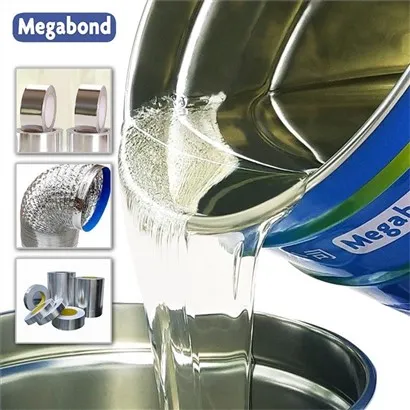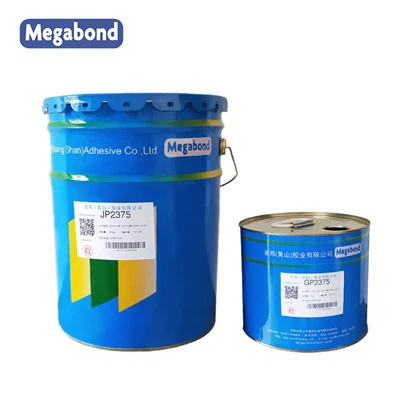


As a provider of solvent-based laminating adhesives, I often encounter inquiries from customers about the compression strength of the bonds formed by our products. Compression strength is a crucial factor in determining the performance and durability of laminated materials, especially in applications where the bonded structures are subjected to significant pressure or stress. In this blog post, I will delve into the concept of compression strength in the context of solvent-based laminating adhesives, explore the factors that influence it, and discuss how our products are designed to meet the diverse needs of our customers.
Understanding Compression Strength in Laminated Bonds
Compression strength refers to the maximum amount of compressive force that a bonded joint can withstand before it fails. In the case of solvent-based laminating adhesives, this strength is essential for ensuring that the laminated materials remain intact and functional under various conditions. For example, in packaging applications, laminated materials are often subjected to stacking pressure during storage and transportation. If the compression strength of the bond is insufficient, the layers may delaminate, leading to product damage and loss.
The compression strength of a bond formed by a solvent-based laminating adhesive depends on several factors, including the type of adhesive, the substrate materials, the bonding process, and the environmental conditions. Each of these factors plays a significant role in determining the overall performance of the bond.
Factors Influencing Compression Strength
Adhesive Type
The type of solvent-based laminating adhesive used is one of the most critical factors affecting compression strength. Different adhesives have different chemical compositions and properties, which can significantly impact the bond strength. For instance, polyurethane-based adhesives are known for their excellent adhesion, flexibility, and resistance to chemicals and moisture. These properties make them suitable for a wide range of applications, including food packaging, where high compression strength and durability are required.
Our company offers a variety of solvent-based laminating adhesives, each designed to meet specific customer needs. For example, our Solvent-based 121℃ Anti-Steaming Laminating Adhesive is specifically formulated to provide high compression strength and resistance to steaming and high temperatures. This makes it ideal for applications where the laminated materials are exposed to harsh conditions.
Substrate Materials
The substrate materials used in the lamination process also have a significant impact on the compression strength of the bond. Different materials have different surface energies, porosities, and mechanical properties, which can affect the adhesion of the adhesive. For example, materials with high surface energy, such as metals and glass, tend to have better adhesion than materials with low surface energy, such as plastics.
To ensure optimal compression strength, it is essential to select the appropriate adhesive for the substrate materials. Our technical team can provide guidance on adhesive selection based on the specific substrate materials and application requirements. Additionally, surface treatment techniques, such as corona treatment or priming, can be used to improve the adhesion of the adhesive to the substrate materials.
Bonding Process
The bonding process is another important factor influencing compression strength. The quality of the bond depends on several parameters, including the adhesive application rate, the drying time, the pressure applied during lamination, and the curing conditions. For example, if the adhesive is applied too thinly, the bond may not be strong enough to withstand the compressive forces. On the other hand, if the adhesive is applied too thickly, it may take longer to dry and cure, which can also affect the compression strength.
Our company provides detailed instructions on the bonding process for each of our solvent-based laminating adhesives. We also offer technical support to help our customers optimize the bonding process and achieve the best possible compression strength.
Environmental Conditions
The environmental conditions during and after the lamination process can also affect the compression strength of the bond. Factors such as temperature, humidity, and exposure to chemicals can all have an impact on the performance of the adhesive. For example, high humidity can slow down the drying and curing process, while exposure to chemicals can cause the adhesive to degrade over time.


To ensure the long-term performance of the bond, it is important to store and use the laminated materials under appropriate environmental conditions. Our products are designed to be resistant to a wide range of environmental conditions, but it is still recommended to follow the storage and handling instructions provided by our company.
Our Solvent-Based Laminating Adhesives and Compression Strength
At our company, we understand the importance of compression strength in laminated materials. That's why we have developed a range of solvent-based laminating adhesives that are specifically designed to provide high compression strength and durability.
Our Solvent-based Economical Laminating Adhesive is a cost-effective solution for applications where high compression strength is required. This adhesive offers excellent adhesion to a variety of substrate materials, including plastics, paper, and metal foils. It also has good flexibility and resistance to chemicals and moisture, making it suitable for a wide range of packaging applications.
Another product in our portfolio is the Solvent-based MET Plastic Film Laminating Adhesive. This adhesive is specifically designed for laminating metalized plastic films, which are commonly used in food packaging and other applications. It provides a strong and durable bond with high compression strength, ensuring that the laminated materials remain intact even under harsh conditions.
Testing and Quality Assurance
To ensure the quality and performance of our solvent-based laminating adhesives, we conduct rigorous testing on all our products. Our testing facilities are equipped with state-of-the-art equipment and technology, allowing us to accurately measure the compression strength and other properties of the bonds formed by our adhesives.
We also follow strict quality control procedures throughout the manufacturing process to ensure that our products meet the highest standards. Our quality assurance team monitors every step of the production process, from raw material inspection to final product testing, to ensure that our customers receive only the best products.
Conclusion
In conclusion, the compression strength of the bond formed by a solvent-based laminating adhesive is a critical factor in determining the performance and durability of laminated materials. By understanding the factors that influence compression strength and selecting the appropriate adhesive for the specific application, customers can ensure that their laminated products meet the highest standards of quality and reliability.
At our company, we are committed to providing our customers with high-quality solvent-based laminating adhesives that offer excellent compression strength and performance. Whether you are in the packaging industry, the automotive industry, or any other industry that requires laminated materials, we have the right adhesive solution for you.
If you are interested in learning more about our solvent-based laminating adhesives or would like to discuss your specific requirements, please feel free to contact us. Our experienced sales team will be happy to assist you and provide you with the information you need to make an informed decision.
References
- ASTM International. (20XX). Standard Test Method for Compressive Properties of Rigid Cellular Plastics. ASTM D1621.
- ISO. (20XX). Plastics - Determination of Compressive Properties. ISO 604.
- Wypych, G. (20XX). Handbook of Adhesive Technology, Second Edition. ChemTec Publishing.