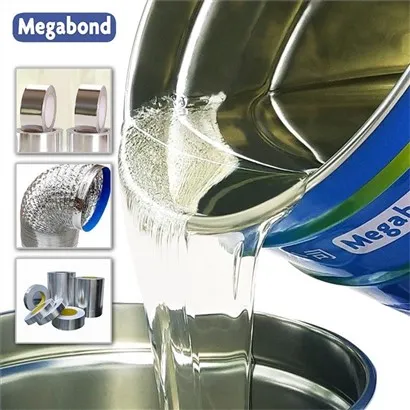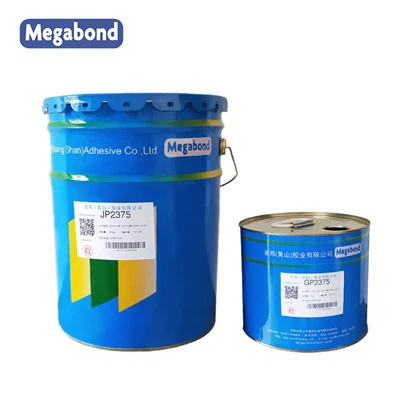


Polyurethane laminating glue has become a staple in various industries due to its versatility and strong bonding capabilities. As a supplier of high - quality Polyurethane Glue laminating glue, I've received numerous inquiries about its performance in dusty environments. In this blog, I'll delve into the aspects of how this glue behaves under such conditions, the challenges it may face, and the solutions we can offer.
Understanding Polyurethane Laminating Glue
Polyurethane laminating glue is known for its excellent adhesion to a wide range of substrates, including plastics, metals, fabrics, and papers. It forms a durable bond that can withstand different mechanical stresses, temperature variations, and chemical exposures. The glue is available in different formulations, such as solvent - based and water - based, each with its own set of advantages and applications.
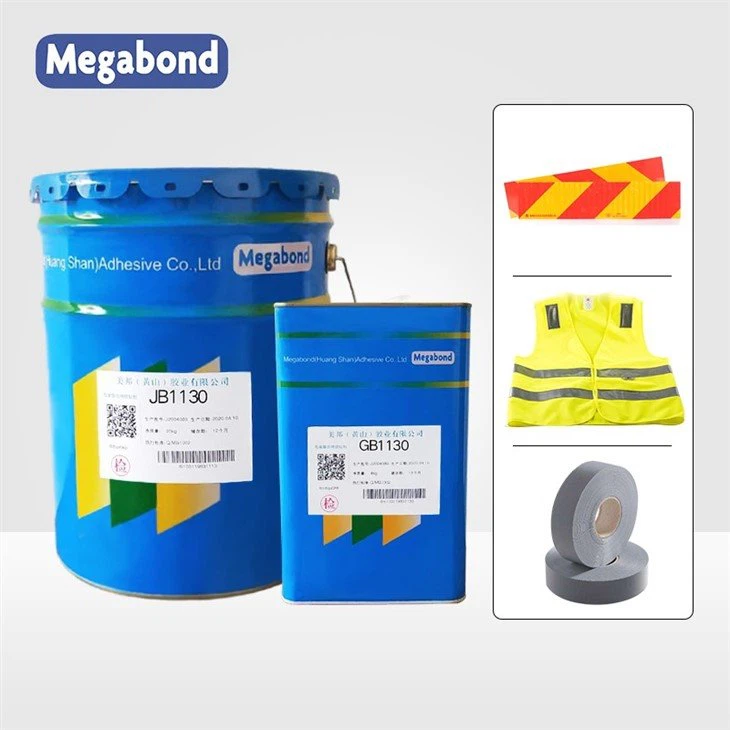
Solvent - based polyurethane laminating glues, for example, are often preferred for applications that require high - strength bonding and fast drying times. They are commonly used in industries like insulation lamination, reflective beads lamination, and metal - plastic tinplate lamination. You can learn more about our specific solvent - based products here: Solvent - based DMD Insulation Laminating Adhesive, Solvent - based Reflective Beads Laminating Adhesive, and Solvent - based Metal Plastic Tinplate Laminating PU Glue.
Challenges in Dusty Environments
Dusty environments pose several challenges to the performance of polyurethane laminating glue. Firstly, dust particles can act as a physical barrier between the glue and the substrates. When applying the glue, these particles can prevent proper contact between the adhesive and the surfaces to be bonded, leading to weak or uneven bonds.
Secondly, dust can contaminate the glue itself. If the dust contains reactive substances or abrasive materials, it can alter the chemical properties of the glue. For example, some types of dust may react with the isocyanate component in polyurethane glue, which can cause premature curing or a change in the glue's viscosity. This can result in poor bonding performance and may even render the glue unusable.
In addition, dust can affect the drying and curing process of the glue. The presence of dust can create an uneven surface for the solvent to evaporate from in solvent - based glues. This can lead to longer drying times and may cause the glue to form a skin on the surface while the interior remains uncured. In water - based glues, dust can interfere with the water evaporation process, which is crucial for the glue to set and form a strong bond.
Performance Evaluation
To evaluate how polyurethane laminating glue performs in dusty environments, we conducted a series of tests. We used different types of dust, including silica dust, wood dust, and metal dust, to simulate various industrial settings.
In the tests, we found that the initial bonding strength was significantly affected by the presence of dust. When there was a thin layer of dust on the substrates, the bonding strength decreased by up to 30% compared to clean substrates. As the amount of dust increased, the bonding strength continued to decline, and in some cases, the bond failed completely.
The curing time also showed some variations. In solvent - based glues, the presence of dust increased the drying time by about 15 - 20%. This was mainly due to the interference with the solvent evaporation process. For water - based glues, the increase in curing time was even more pronounced, up to 30%, as the dust particles hindered the water evaporation.
However, it's important to note that the performance of the glue also depends on the type of formulation. Our high - quality solvent - based polyurethane laminating glues showed better resistance to dust compared to some lower - grade products. This is because our glues are formulated with additives that can help to improve the wetting ability of the glue on contaminated surfaces and reduce the impact of dust on the bonding process.
Solutions and Recommendations
Despite the challenges, there are several ways to ensure the proper performance of polyurethane laminating glue in dusty environments.
Surface Preparation
The first step is to clean the substrates thoroughly before applying the glue. This can be done using compressed air, brushes, or solvents. Compressed air can effectively blow away loose dust particles, while brushes can be used to remove stubborn dust. Solvents can be used to dissolve oily or greasy dust that may be present on the surfaces.
Dust Control
In the work area, it's essential to implement dust control measures. This can include using dust collectors, ventilation systems, or enclosing the work area. Dust collectors can capture the dust particles generated during the manufacturing process, reducing the amount of dust in the air and on the substrates. Ventilation systems can help to remove the dust from the work area, creating a cleaner environment for glue application.
Glue Selection
Choosing the right type of polyurethane laminating glue is crucial. For dusty environments, solvent - based glues with high - solids content are often a better choice. These glues have a higher viscosity and can better penetrate through the dust layer on the substrates. They also tend to have better chemical resistance, which can help to minimize the impact of dust contamination.
Application Techniques
Proper application techniques can also improve the performance of the glue. For example, applying the glue in multiple thin layers instead of one thick layer can help to ensure better contact with the substrates. This allows the glue to displace some of the dust particles and form a stronger bond.
Case Studies
Let's take a look at some real - world examples of how our polyurethane laminating glue has been used in dusty environments.
In an insulation manufacturing plant, where there is a significant amount of fiberglass dust, our solvent - based DMD insulation laminating adhesive was used. By following strict surface preparation procedures and implementing dust control measures, the plant was able to achieve strong and reliable bonds between the insulation materials. The glue's high - strength formula and resistance to dust contamination ensured that the insulation products met the required quality standards.
In a metal - plastic tinplate laminating factory, which generates metal dust during the production process, our solvent - based metal plastic tinplate laminating PU glue was applied. Despite the presence of dust, the glue was able to form a durable bond between the metal and plastic layers. The factory used a combination of compressed air cleaning and proper ventilation to minimize the impact of dust on the bonding process.

Conclusion
In conclusion, while dusty environments present challenges to the performance of polyurethane laminating glue, with the right approach, it is still possible to achieve excellent bonding results. As a supplier, we are committed to providing high - quality polyurethane laminating glues that can withstand various environmental conditions. Our products are formulated to offer the best possible performance, even in the presence of dust.
If you are in an industry where dust is a concern and are looking for a reliable polyurethane laminating glue, we encourage you to contact us for more information. We can provide you with detailed product specifications, technical support, and samples for testing. Let's work together to find the best solution for your laminating needs.
References
- ASTM International. "Standard Test Methods for Evaluating Adhesive Bond Performance." ASTM D1002 - 10.
- ISO International Organization for Standardization. "Adhesives - Determination of Tensile Lap - Shear Strength of Rigid to Rigid Adhesive Bonds." ISO 4587:2003.
- Polyurethane Manufacturers Association. "Polyurethane Adhesives: Properties and Applications." Technical Report.