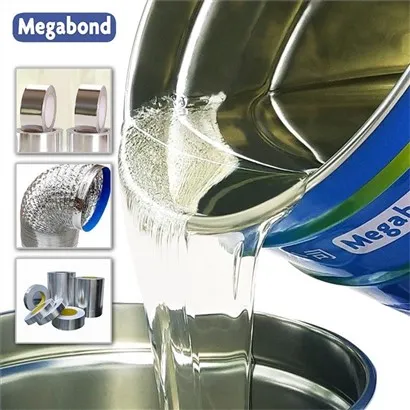


Hey there! As a supplier of solvent-free lamination adhesives, I've seen firsthand how humidity can play a real game - changer in the performance of these adhesives. Let's dig into how this pesky humidity factor affects our products.
What is Solvent - Free Lamination Adhesive?
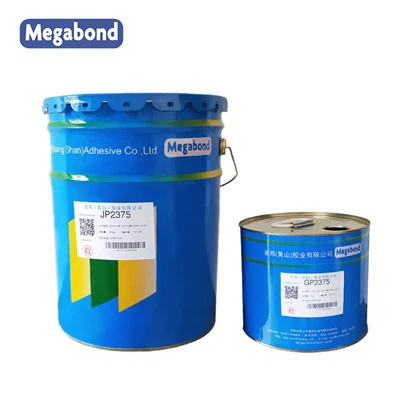
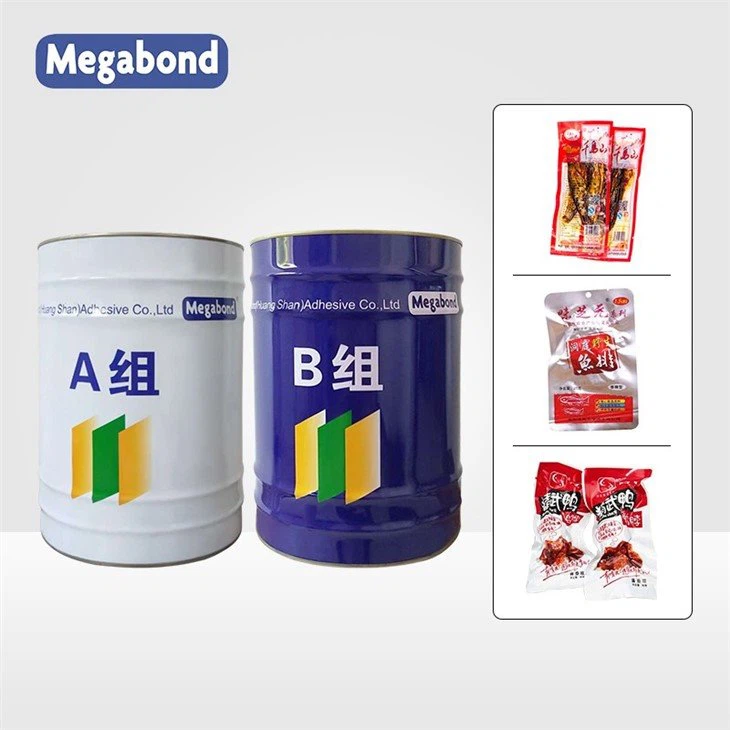
Before we jump into the humidity stuff, let me quickly explain what solvent - free lamination adhesive is. It's a type of adhesive used to bond different layers of materials together, mainly in the packaging industry. The big advantage of solvent - free adhesives is that they don't contain volatile organic compounds (VOCs). This means they're more environmentally friendly and also safer for the people handling them. We offer a range of these adhesives, like the Solvent - free Polyether Laminating Adhesive, Solvent - free 121℃ Retortable Laminating Adhesive, and Solvent - free Polyurethane Laminating Adhesive.
How Humidity Affects Curing
One of the most significant impacts of humidity on solvent - free lamination adhesives is on the curing process. Curing is when the adhesive changes from a liquid state to a solid state, creating a strong bond between the layers.
High humidity can slow down the curing process. The water in the air can react with the adhesive components. For some solvent - free adhesives, especially those based on polyurethane, the isocyanate groups in the adhesive can react with water. This reaction forms carbon dioxide, which can create bubbles in the adhesive layer. These bubbles not only weaken the bond but also make the laminated product look bad.
On the other hand, low humidity can also be a problem. If the air is too dry, the adhesive may cure too quickly. This can lead to a brittle bond that is more likely to break under stress. The adhesive might not have enough time to properly flow and wet the surfaces of the materials being laminated, resulting in poor adhesion.
Impact on Adhesion Strength
Humidity can also mess with the adhesion strength of the solvent - free lamination adhesive. When the humidity is high, the water molecules can act as a barrier between the adhesive and the substrate. This reduces the contact area between the adhesive and the material, making it harder for the adhesive to form a strong bond.

Even after the adhesive has cured, high humidity can cause long - term problems. The water can gradually penetrate the adhesive layer and break down the chemical bonds that hold the adhesive to the substrate. This leads to delamination, where the layers of the laminated product start to separate.
Low humidity can cause the adhesive to shrink too much during curing. This shrinkage can create internal stresses in the bond, which can lead to reduced adhesion strength over time. The adhesive might pull away from the substrate, again resulting in delamination.
Effects on Viscosity
Viscosity is how thick or thin a liquid is. Humidity can have a big impact on the viscosity of solvent - free lamination adhesives.
In high - humidity conditions, the adhesive can absorb water from the air. This increases its volume and makes it thinner, reducing its viscosity. A lower - viscosity adhesive may flow too easily during the lamination process. This can cause uneven adhesive distribution, leading to areas with too little or too much adhesive.
Conversely, in low - humidity conditions, the adhesive may lose moisture to the dry air. This causes the adhesive to become thicker and more viscous. A high - viscosity adhesive can be difficult to apply evenly. It may require more pressure during the lamination process, which can damage the materials being laminated.
How to Deal with Humidity
So, what can we do to deal with the effects of humidity on solvent - free lamination adhesives?
First, we can control the environment where the lamination process takes place. Using a dehumidifier or a humidifier can help maintain a stable humidity level. The ideal humidity range for most solvent - free lamination adhesives is between 40% and 60%.
We can also adjust the formulation of the adhesive. For example, adding moisture - scavenging agents can help prevent the reaction between the adhesive and water in high - humidity conditions. These agents react with the water before it can react with the adhesive components.
Another option is to choose the right adhesive for the specific humidity conditions. Some adhesives are more resistant to humidity than others. Our Solvent - free Polyurethane Laminating Adhesive is formulated to perform well in a wide range of humidity conditions.
Conclusion
In conclusion, humidity can have a major impact on the performance of solvent - free lamination adhesives. It affects the curing process, adhesion strength, and viscosity. But with the right strategies, we can minimize these effects and ensure high - quality laminated products.
If you're in the market for solvent - free lamination adhesives and want to learn more about how to deal with humidity in your lamination process, we're here to help. Whether you need advice on choosing the right adhesive or tips on controlling the environment, we've got you covered. Reach out to us for more information and let's start a great partnership in the world of lamination!
References
- Smith, J. (2020). "The Effects of Environmental Conditions on Adhesive Performance." Journal of Adhesive Science and Technology.
- Brown, A. (2019). "Humidity and Its Impact on Laminating Adhesives." Packaging Industry Review.