

Hey there! As a laminating adhesive supplier, I've seen firsthand how crucial it is to ensure a strong bond when using laminating adhesives. Whether you're working on packaging, signage, or any other laminating project, a solid bond is the key to a successful outcome. In this blog post, I'm gonna share some tips and tricks on how to achieve that strong bond with laminating adhesive.
Understanding Your Laminating Adhesive
First things first, you need to understand the type of laminating adhesive you're using. There are different kinds out there, each with its own properties and best - use scenarios. For example, we offer a Solvent - free Polyether Laminating Adhesive. This type of adhesive is great because it's solvent - free, which means it's more environmentally friendly and often has less odor. It also provides a good bond strength and is suitable for a variety of substrates.
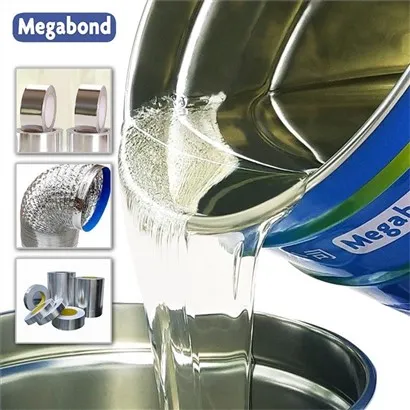
Another option is our Solvent - free Aluminum Foil To Films Laminating Adhesive. If you're working on a project that involves laminating aluminum foil to films, this adhesive is specifically formulated to create a strong and durable bond between these two materials.
And if you need an adhesive that can withstand high - temperature cooking processes, our Solvent - free 100℃ Anti - Cooking Laminating Adhesive is the way to go. It's designed to maintain its bond strength even when exposed to 100℃ cooking temperatures, making it ideal for food packaging applications.


Surface Preparation
One of the most important steps in ensuring a strong bond with laminating adhesive is proper surface preparation. The surfaces you're laminating need to be clean, dry, and free of any contaminants. Dust, grease, or moisture can all prevent the adhesive from bonding properly.
Before applying the adhesive, give the surfaces a good wipe down with a clean, dry cloth. If there's any grease or oil on the surface, you might need to use a mild solvent to clean it. Just make sure to let the surface dry completely before proceeding.
Also, check the surface roughness. In some cases, a slightly rough surface can provide a better bond because it gives the adhesive more area to grip onto. However, if the surface is too rough, it can trap air bubbles, which can weaken the bond. You might need to sand the surface lightly to achieve the right level of roughness.
Adhesive Application
The way you apply the laminating adhesive also plays a big role in the bond strength. First, make sure you're using the right amount of adhesive. Too little adhesive won't provide enough bonding power, while too much can lead to messy spills and might not dry properly.
Follow the manufacturer's instructions on the application method. Some adhesives are applied using a brush, while others might require a roller or a spray gun. When using a brush or roller, make sure to apply the adhesive evenly across the surface. For spray application, keep the nozzle at a consistent distance from the surface to ensure an even coat.
It's also important to work quickly but carefully. Once the adhesive is applied, it starts to dry, and if you take too long to laminate the surfaces together, the bond strength might be affected.
Laminating Process
After applying the adhesive, it's time to laminate the surfaces together. Align the two surfaces carefully to make sure they're in the right position. Then, apply pressure evenly across the laminated area. This can be done using a roller or a press.
The pressure helps to spread the adhesive evenly and squeeze out any air bubbles that might be trapped between the surfaces. Make sure to apply enough pressure, but don't overdo it, as too much pressure can cause the adhesive to squeeze out from the edges.
Curing Time
Once the surfaces are laminated, the adhesive needs time to cure. Curing is the process by which the adhesive hardens and forms a strong bond. The curing time can vary depending on the type of adhesive, the temperature, and the humidity.
It's important to follow the manufacturer's recommended curing time. Don't try to rush the process by using the laminated product too soon. If you do, the bond might not be fully developed, and it could weaken over time.
Environmental Factors
The environment in which you're laminating can also affect the bond strength. Temperature and humidity are two key factors. Most laminating adhesives work best within a certain temperature and humidity range.
If it's too cold, the adhesive might not dry properly, and the bond strength could be reduced. On the other hand, if it's too hot and humid, the adhesive might dry too quickly, which can also lead to a weaker bond. Try to control the temperature and humidity in your workspace as much as possible.
Quality Control
Finally, it's important to have a quality control process in place. Inspect the laminated products regularly to check for any signs of weak bonding, such as delamination or peeling. If you notice any issues, you can take corrective action right away.
You can also perform some simple tests, like a peel test, to check the bond strength. Just gently try to peel the laminated surfaces apart and see how much force is required. If the bond is weak, you might need to adjust your process, such as improving the surface preparation or changing the adhesive application method.
Conclusion
Ensuring a strong bond with laminating adhesive involves a combination of factors, from understanding the adhesive to proper surface preparation, application, laminating, and curing. By following these tips and tricks, you can achieve a reliable and long - lasting bond for your laminating projects.
If you're interested in our laminating adhesives or have any questions about how to use them, feel free to reach out to us. We're always here to help you find the best solution for your laminating needs and ensure a successful project.
References
- Industry standards and best practices for laminating adhesives
- Manufacturer's guidelines for the specific laminating adhesives mentioned in this post