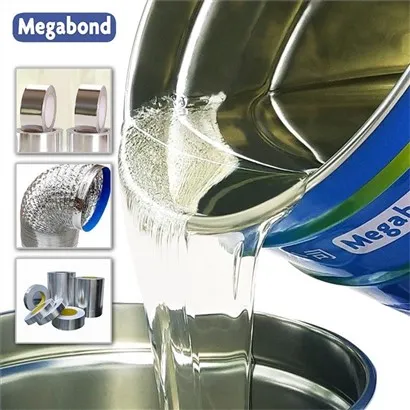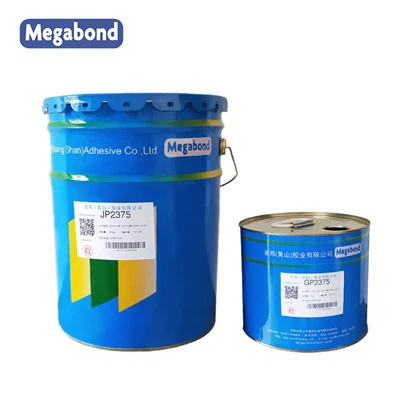


The flexibility of the bond formed by solvent-based lamination adhesive is a crucial aspect that significantly impacts the performance and applicability of laminated products. As a leading supplier of solvent-based lamination adhesives, I have witnessed firsthand the diverse requirements and challenges faced by industries relying on these adhesives. In this blog, I will delve into the concept of bond flexibility, its importance, and how our range of solvent-based lamination adhesives can meet the varying needs of our customers.
Understanding Bond Flexibility
Bond flexibility refers to the ability of an adhesive bond to withstand deformation, stress, and movement without losing its integrity. In the context of solvent-based lamination adhesives, this flexibility is essential for ensuring that the laminated materials can maintain their adhesion under different conditions, such as bending, stretching, and folding. A flexible bond can accommodate the natural movement and expansion of the laminated substrates, preventing delamination and ensuring the long-term durability of the product.
The flexibility of a bond is influenced by several factors, including the chemical composition of the adhesive, the curing process, and the properties of the substrates being bonded. Solvent-based lamination adhesives typically consist of a polymer resin dissolved in a solvent. The choice of polymer resin plays a significant role in determining the bond flexibility. For example, polyurethane-based adhesives are known for their excellent flexibility and toughness, making them suitable for applications where the laminated materials are subjected to frequent bending or stretching.
Importance of Bond Flexibility in Lamination
The importance of bond flexibility in lamination cannot be overstated. In many industries, such as packaging, automotive, and textile, laminated products are often exposed to mechanical stress and deformation during handling, transportation, and use. A flexible bond ensures that the laminated materials can withstand these stresses without separating, maintaining the structural integrity and functionality of the product.
In the packaging industry, for instance, flexible packaging materials are commonly used to package a wide range of products, including food, beverages, and consumer goods. These packaging materials are often subjected to bending, folding, and stretching during the packaging process and when the product is opened by the consumer. A flexible bond between the different layers of the packaging material is essential to prevent delamination and ensure that the packaging remains intact and functional.
In the automotive industry, laminated materials are used for various applications, such as interior trim, upholstery, and insulation. These materials are exposed to vibrations, temperature changes, and mechanical stress during the operation of the vehicle. A flexible bond between the different layers of the laminated material helps to absorb these stresses and prevent the formation of cracks or delamination, ensuring the comfort and safety of the passengers.
Our Range of Solvent-Based Lamination Adhesives
As a solvent-based lamination adhesive supplier, we offer a comprehensive range of adhesives designed to provide excellent bond flexibility and performance. Our adhesives are formulated using high-quality polymer resins and advanced manufacturing techniques to ensure consistent quality and reliability.
One of our popular products is the Solvent-based Low Cost Laminating Adhesive. This adhesive is specifically designed for applications where cost-effectiveness is a key consideration. Despite its low cost, it offers excellent bond flexibility and adhesion strength, making it suitable for a wide range of packaging applications.
Another product in our portfolio is the Solvent-based 135℃ Anti-Steaming Laminating Adhesive. This adhesive is formulated to withstand high temperatures and steam, making it ideal for applications where the laminated materials are exposed to harsh environmental conditions. It provides a flexible bond that can withstand the thermal expansion and contraction of the substrates, preventing delamination and ensuring the long-term durability of the product.
We also offer the Solvent-based Anti-Chemicals Polyether Laminating Adhesive. This adhesive is resistant to a wide range of chemicals, making it suitable for applications where the laminated materials are exposed to chemical substances. It provides a flexible bond that can resist the chemical attack and maintain its integrity, ensuring the reliability and performance of the product.
Applications of Our Solvent-Based Lamination Adhesives
Our solvent-based lamination adhesives are used in a wide range of applications across various industries. Some of the common applications include:
- Packaging: Our adhesives are used to laminate different types of packaging materials, such as paper, plastic, and metal foils, to create flexible packaging solutions. These packaging materials are used for food, beverage, pharmaceutical, and consumer goods packaging.
- Automotive: Our adhesives are used for interior trim, upholstery, and insulation applications in the automotive industry. They provide a flexible bond that can withstand the vibrations and mechanical stress generated during the operation of the vehicle.
- Textile: Our adhesives are used to laminate textile fabrics to create composite materials with enhanced properties, such as water resistance, durability, and flexibility. These composite materials are used in the production of outdoor clothing, sports equipment, and home furnishings.
- Electronics: Our adhesives are used for bonding electronic components and substrates in the electronics industry. They provide a flexible bond that can withstand the thermal expansion and contraction of the components, ensuring the reliability and performance of the electronic devices.
Conclusion
The flexibility of the bond formed by solvent-based lamination adhesive is a critical factor in determining the performance and durability of laminated products. As a solvent-based lamination adhesive supplier, we understand the importance of bond flexibility and offer a range of adhesives designed to meet the diverse needs of our customers. Our adhesives provide excellent bond flexibility, adhesion strength, and chemical resistance, making them suitable for a wide range of applications across various industries.


If you are looking for a reliable solvent-based lamination adhesive supplier, we invite you to contact us to discuss your specific requirements. Our team of experts will be happy to provide you with detailed information about our products and help you choose the right adhesive for your application. We look forward to working with you to achieve your lamination goals.
References
- "Handbook of Adhesive Technology" by Skeist, I.
- "Adhesives and Sealants Technology" by Mittal, K. L.
- "Polyurethane Handbook" by Oertel, G.