

Hey there! As a supplier of solventless lamination adhesive, I often get asked whether our products are environmentally friendly. It's a hot topic these days, and for good reason. With more and more people becoming conscious of the impact of industrial products on the environment, it's crucial to understand where solventless lamination adhesives stand in this regard.
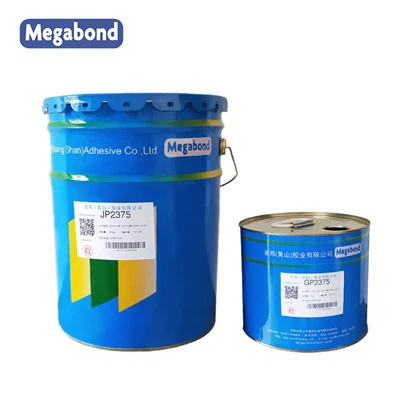
Let's start by understanding what solventless lamination adhesive is. Solventless lamination adhesives are used to bond two or more layers of materials together, typically in the packaging industry. Unlike solvent - based adhesives, which contain a significant amount of solvents, solventless adhesives have little to no solvents in their formulation.
Now, the big question: Are they environmentally friendly? Well, let's break it down.
Reduced Volatile Organic Compounds (VOCs)
One of the most significant environmental benefits of solventless lamination adhesives is the reduction of Volatile Organic Compounds (VOCs). VOCs are chemicals that easily evaporate at room temperature. When solvent - based adhesives are used, these VOCs are released into the atmosphere during the lamination process. VOCs can have a range of negative effects on the environment and human health. They contribute to the formation of ground - level ozone, which is a major component of smog. Smog can cause respiratory problems, especially for people with asthma or other lung conditions.
In contrast, solventless lamination adhesives have very low VOC emissions. Since they don't rely on solvents to achieve the right consistency and bonding properties, there's less of a chance for these harmful chemicals to be released into the air. This is a huge win for the environment and for the workers in the factories where these adhesives are used.
Energy Efficiency
Another aspect where solventless lamination adhesives shine is in energy efficiency. Solvent - based adhesives require a drying process to remove the solvents after lamination. This drying process often involves heating the materials, which consumes a significant amount of energy. On the other hand, solventless lamination adhesives cure through a chemical reaction rather than a drying process. This means that less energy is needed to complete the lamination process.
Less energy consumption not only reduces the carbon footprint of the manufacturing process but also saves costs for the manufacturers. It's a win - win situation where the environment benefits from reduced energy use, and businesses can save money on their energy bills.
Waste Reduction
Solventless lamination adhesives can also contribute to waste reduction. Solvent - based adhesives sometimes require special handling and disposal procedures for the solvents and any leftover adhesive. These solvents can be hazardous, and improper disposal can lead to soil and water contamination.
With solventless adhesives, there's no need for such complex disposal procedures. The adhesive itself is more straightforward to handle, and there are fewer waste products associated with its use. Additionally, since the bonding process is often more efficient, there may be less scrap material generated during the lamination process.
Product Range
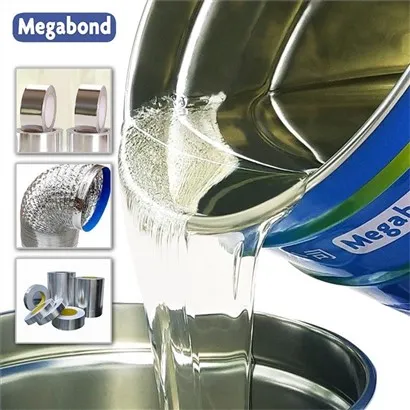
We offer a wide range of solventless lamination adhesives to meet different industry needs. For example, our Solvent - free Aluminum Foil To Films Laminating Adhesive is specifically designed for bonding aluminum foil to various films. It provides excellent adhesion and is suitable for a variety of packaging applications.
Our Solvent - free 125℃ Retortable Laminating Adhesive is ideal for products that need to withstand high - temperature retort processes. This adhesive maintains its bonding strength even under extreme conditions, making it perfect for food packaging that requires sterilization.
And of course, our Solvent - free Polyurethane Laminating Adhesive is a versatile option that can be used in a wide range of lamination applications. It offers good flexibility, durability, and chemical resistance.
Potential Drawbacks?
Now, it's not all sunshine and rainbows. There are a few potential drawbacks to using solventless lamination adhesives. One of the main challenges is the initial investment. The equipment required for solventless lamination can be more expensive than that for solvent - based lamination. However, when you consider the long - term savings in energy costs and the environmental benefits, the initial investment can be well worth it.
Another issue is that the curing time of solventless adhesives can be longer than that of solvent - based adhesives. This may slow down the production process to some extent. But with advancements in adhesive technology, the curing times are getting shorter, and manufacturers are finding ways to optimize their production lines to work efficiently with solventless adhesives.
Conclusion
Overall, solventless lamination adhesives are a more environmentally friendly option compared to their solvent - based counterparts. They offer significant benefits in terms of reduced VOC emissions, energy efficiency, and waste reduction. While there are some challenges, the long - term advantages far outweigh the drawbacks.
If you're in the market for lamination adhesives and are concerned about the environment, I encourage you to consider our solventless lamination adhesives. We're committed to providing high - quality products that not only meet your business needs but also contribute to a more sustainable future.
If you're interested in learning more about our products or have any questions regarding solventless lamination adhesives, feel free to reach out. We'd be more than happy to discuss your specific requirements and see how we can help you make the switch to a more environmentally friendly lamination solution. Let's work together to create a greener world while still achieving great results in your packaging projects.
References
- Smith, J. (2020). "The Environmental Impact of Adhesive Technologies in Packaging". Journal of Sustainable Packaging, 15(2), 45 - 53.
- Johnson, A. (2021). "Energy Efficiency in Lamination Processes: A Comparative Study of Solvent - based and Solventless Adhesives". Industrial Manufacturing Review, 22(3), 67 - 74.
- Brown, C. (2019). "Waste Reduction Strategies in the Adhesive Industry". Environmental Science and Technology, 33(4), 89 - 96.