

When working with solvent-based laminating adhesives, understanding the surface tension requirements for substrates is crucial. As a supplier of Solvent based Laminating Adhesives, I've witnessed firsthand the impact that proper surface tension can have on the success of lamination processes. In this blog, we'll delve into the significance of surface tension, how it affects the performance of solvent-based laminating adhesives, and the ideal surface tension requirements for various substrates.
Understanding Surface Tension
Surface tension is a fundamental property of liquids that arises from the cohesive forces between molecules at the liquid's surface. It causes the liquid to behave as if it has a thin, elastic film on its surface, minimizing its surface area. In the context of solvent-based laminating adhesives, surface tension plays a vital role in determining how well the adhesive spreads and wets the substrate surface.
When an adhesive is applied to a substrate, it needs to be able to spread evenly and form a continuous film. If the surface tension of the substrate is too high, the adhesive may bead up and fail to wet the surface properly, resulting in poor adhesion and bonding. On the other hand, if the surface tension of the substrate is too low, the adhesive may spread too much and cause issues such as bleeding or delamination.
Importance of Surface Tension in Solvent-Based Laminating Adhesives
The surface tension of the substrate directly affects the wetting and spreading behavior of solvent-based laminating adhesives. A proper match between the surface tension of the adhesive and the substrate is essential for achieving strong and durable bonds. Here are some key reasons why surface tension is important in solvent-based laminating adhesives:
- Wetting and Spreading: A low surface tension adhesive can easily spread and wet a substrate with a higher surface tension. This ensures that the adhesive fully covers the substrate surface, maximizing the contact area and improving adhesion.
- Adhesion Strength: Good wetting and spreading lead to better adhesion between the adhesive and the substrate. When the adhesive is able to form a strong bond with the substrate, the laminated product is more resistant to delamination and other forms of failure.
- Bond Integrity: Proper surface tension helps to ensure the integrity of the bond over time. It prevents the formation of voids, bubbles, or other defects that can weaken the bond and reduce the performance of the laminated product.
Surface Tension Requirements for Different Substrates
The ideal surface tension requirements for substrates when using solvent-based laminating adhesives can vary depending on the type of substrate and the specific adhesive being used. Here are some general guidelines for common substrates:
- Plastic Films: Plastic films such as polyethylene (PE), polypropylene (PP), and polyester (PET) are widely used in packaging and other applications. These films typically have low surface tensions, which can make it challenging for adhesives to wet and bond to them. To improve adhesion, the surface of the plastic film may need to be treated to increase its surface tension. Common surface treatment methods include corona treatment, flame treatment, and chemical treatment. The recommended surface tension for plastic films after treatment is typically in the range of 38 to 44 dynes/cm.
- Metallic Films: Metallic films such as aluminum foil are commonly used in food packaging and other applications where barrier properties are required. Metallic films have high surface tensions, which generally allow adhesives to wet and bond to them easily. However, the presence of oxides or other contaminants on the surface of the metallic film can reduce its surface tension and affect adhesion. To ensure good adhesion, the metallic film should be clean and free of contaminants. The recommended surface tension for metallic films is typically in the range of 40 to 50 dynes/cm.
- Paper and Board: Paper and board substrates are commonly used in packaging, printing, and other applications. These substrates have relatively high surface tensions, which generally allow adhesives to wet and bond to them well. However, the porosity and absorbency of paper and board can affect the performance of the adhesive. To ensure good adhesion, the adhesive should be able to penetrate the pores of the substrate and form a strong bond. The recommended surface tension for paper and board substrates is typically in the range of 36 to 42 dynes/cm.
Measuring Surface Tension
There are several methods available for measuring the surface tension of substrates. One of the most common methods is the use of surface tension test inks. Surface tension test inks are specially formulated liquids with known surface tensions. To measure the surface tension of a substrate, a small amount of the test ink is applied to the substrate surface using a cotton swab or a dropper. If the ink spreads evenly and forms a continuous film on the substrate surface, the surface tension of the substrate is equal to or greater than the surface tension of the test ink. If the ink beads up or fails to spread evenly, the surface tension of the substrate is lower than the surface tension of the test ink.
Another method for measuring surface tension is the use of a tensiometer. A tensiometer is a device that measures the force required to pull a platinum ring or a plate from the surface of a liquid. By measuring the force and the dimensions of the ring or plate, the surface tension of the liquid can be calculated. Tensiometers are more accurate and precise than surface tension test inks, but they are also more expensive and require more specialized equipment and training.


Our Solvent-Based Laminating Adhesives
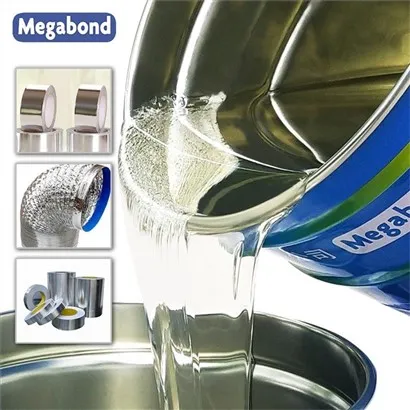
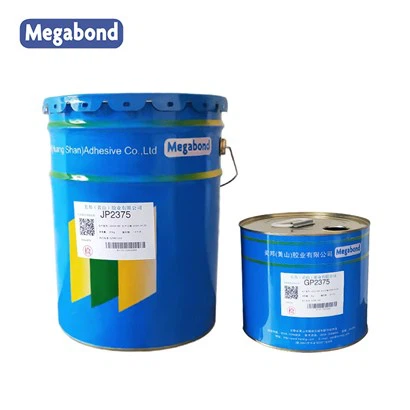
At our company, we offer a wide range of Solvent-based MET Plastic Film Laminating Adhesive and Solvent-based Anti-Additives Laminating Adhesive that are designed to meet the specific needs of our customers. Our adhesives are formulated to have excellent wetting and spreading properties, ensuring strong and durable bonds with a variety of substrates.
Our Solvent-based MET Plastic Film Laminating Adhesive is specifically designed for use with metallic and plastic films. It has a low viscosity and high solids content, which allows it to spread easily and form a strong bond with the substrate. Our Solvent-based Anti-Additives Laminating Adhesive is formulated to resist the effects of additives such as antioxidants, UV stabilizers, and plasticizers, ensuring long-term bond integrity.
Contact Us for More Information
If you're interested in learning more about our solvent-based laminating adhesives or have any questions about surface tension requirements for substrates, please don't hesitate to contact us. Our team of experts is available to provide you with technical support and guidance to help you choose the right adhesive for your application. We look forward to working with you to achieve your lamination goals.
References
- ASTM D2578 - Standard Test Method for Surface Wettability of Polyolefin Films Using Contact Angle Measurements
- ISO 8296 - Plastics - Film and sheeting - Determination of wetting tension
- W. A. Zisman, "Relation of the Equilibrium Contact Angle to Liquid and Solid Constitution," Advances in Chemistry Series, Vol. 43, 1964, pp. 1-51.