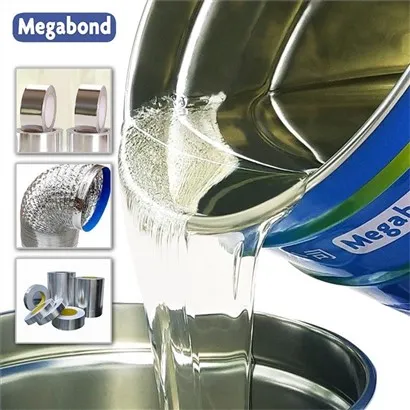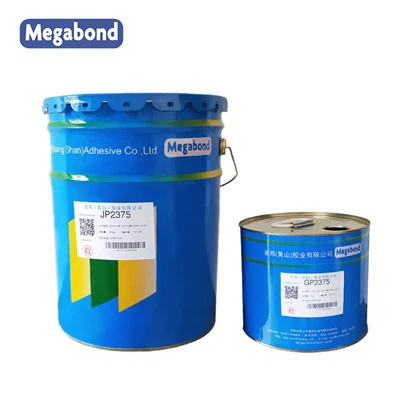


As a supplier of Solvent Based Polyurethane Adhesive, I've been deeply involved in understanding and leveraging its unique properties. One of the most critical aspects that often comes under scrutiny is its impact resistance. In this blog, I'll delve into what impact resistance means for Solvent Based Polyurethane Adhesive, its influencing factors, and its significance in various applications.
Understanding Impact Resistance
Impact resistance refers to the ability of an adhesive to withstand sudden, high - force impacts without losing its bonding properties. When an adhesive is subjected to an impact, it must absorb and disperse the energy from the impact to prevent the bonded materials from separating. For Solvent Based Polyurethane Adhesive, impact resistance is crucial as it often bonds materials that may experience dynamic forces during their use.
The chemical structure of Solvent Based Polyurethane Adhesive plays a vital role in its impact resistance. Polyurethane is composed of repeating units of urethane groups, which can form strong hydrogen bonds. These hydrogen bonds contribute to the adhesive's ability to absorb energy. Additionally, the flexibility of the polyurethane chains allows the adhesive to deform slightly under impact, dissipating the energy and reducing the risk of bond failure.
Factors Influencing Impact Resistance
1. Solvent Content
The solvent in Solvent Based Polyurethane Adhesive serves several purposes, including dissolving the polymer and facilitating application. However, the solvent content can significantly affect impact resistance. A higher solvent content may initially make the adhesive more fluid and easier to apply. But if not properly evaporated during the curing process, the remaining solvent can create voids in the adhesive layer. These voids act as stress concentrators, reducing the adhesive's ability to withstand impacts. On the other hand, a lower solvent content may lead to a more compact and homogeneous adhesive layer, enhancing impact resistance.
2. Curing Conditions
The curing process of Solvent Based Polyurethane Adhesive is crucial for achieving optimal impact resistance. Temperature, humidity, and curing time all play important roles. Higher curing temperatures generally accelerate the chemical reactions in the adhesive, leading to a more cross - linked and rigid structure. This can improve impact resistance, but if the temperature is too high, it may cause the adhesive to become brittle. Humidity can also affect the curing process, especially for moisture - curing polyurethanes. Excessive humidity may cause premature curing or the formation of bubbles, which can weaken the adhesive bond.
3. Substrate Properties
The materials being bonded also influence the impact resistance of the adhesive. Different substrates have different surface energies, porosities, and mechanical properties. For example, a rough and porous substrate can provide more surface area for the adhesive to bond to, potentially increasing the bond strength and impact resistance. However, if the substrate is too brittle or has a low modulus of elasticity, it may break under impact, causing the adhesive bond to fail.
Significance in Applications
1. Packaging Industry
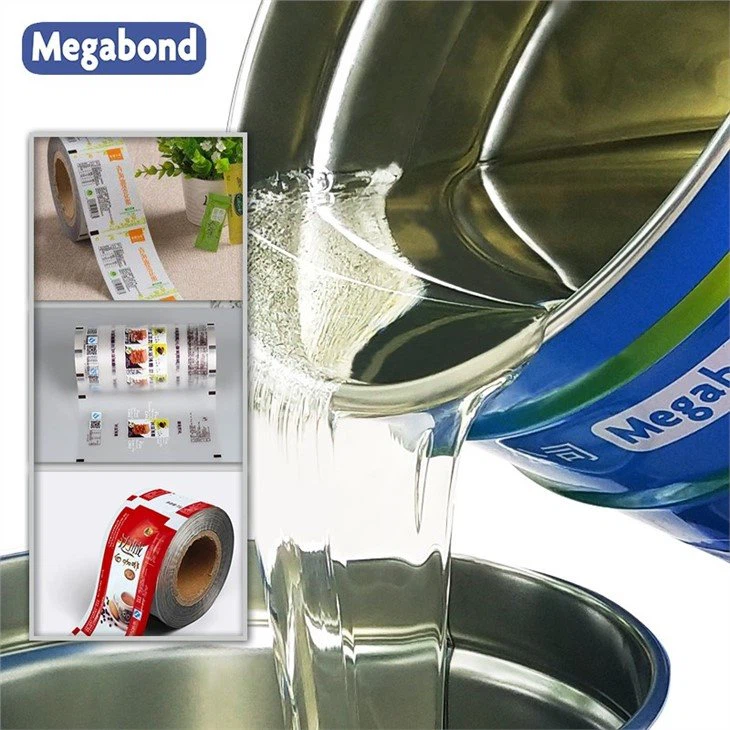
In the packaging industry, Solvent Based Polyurethane Adhesive is widely used for laminating different layers of packaging materials. Solvent Based 135℃ Anti - Retorting Laminating Adhesive is designed to withstand high - temperature retorting processes, which involve subjecting the packaged product to high pressure and temperature for sterilization. During transportation and handling, the packaged products may experience impacts. The impact resistance of the adhesive ensures that the laminated layers remain intact, preventing leakage and maintaining the integrity of the package.
2. Automotive Industry
In the automotive industry, Solvent Based Polyurethane Adhesive is used for bonding various components, such as interior trim parts and body panels. Solvent - based MET Plastic Film Laminating Adhesive can be used to bond metal and plastic parts. These components are often exposed to vibrations and impacts during vehicle operation. The impact resistance of the adhesive helps to ensure the long - term stability of the bonded joints, reducing the risk of component failure and improving the overall safety and durability of the vehicle.
3. Construction Industry
In construction, Solvent Based Polyurethane Adhesive can be used for bonding building materials, such as insulation panels and flooring. Solvent - based 135℃ Anti - Steaming Laminating Adhesive may be used in applications where the bonded materials need to withstand high - temperature and high - humidity conditions. During construction and the lifespan of the building, the bonded materials may be subjected to impacts from tools, equipment, or natural forces. The impact resistance of the adhesive ensures that the bonds remain strong, contributing to the structural integrity of the building.
Testing Impact Resistance
To accurately assess the impact resistance of Solvent Based Polyurethane Adhesive, several testing methods are commonly used. One of the most widely used methods is the pendulum impact test. In this test, a pendulum is released from a certain height to strike a specimen bonded with the adhesive. The energy absorbed by the adhesive during the impact is measured, and the impact resistance is calculated based on this energy.
Another method is the drop - weight impact test. In this test, a weight is dropped onto a bonded specimen from a specific height. The number of drops required to cause bond failure is recorded, and this can be used as an indicator of the adhesive's impact resistance.
Conclusion
The impact resistance of Solvent Based Polyurethane Adhesive is a complex property that is influenced by various factors, including solvent content, curing conditions, and substrate properties. Its significance in industries such as packaging, automotive, and construction cannot be overstated. As a supplier, I understand the importance of providing high - quality Solvent Based Polyurethane Adhesive with excellent impact resistance.
If you are in need of Solvent Based Polyurethane Adhesive for your specific application and want to discuss the impact resistance requirements in detail, I encourage you to reach out for a procurement consultation. We can work together to find the most suitable adhesive solution for your needs.

References
- Brown, R. F. (2007). Handbook of Adhesives and Sealants. McGraw - Hill Professional.
- ASTM International. (2019). ASTM D256 - 10e1 Standard Test Methods for Determining the Izod Pendulum Impact Resistance of Plastics.
- Lee, H., & Neville, K. (1967). Handbook of Epoxy Resins. McGraw - Hill.