

As a supplier of Polyurethane laminating Adhesive, I've been deeply involved in understanding the intricacies of this product, especially when it comes to the pressure resistance of Polyurethane laminating Adhesive - bonded joints. In this blog, I'll delve into the various aspects of this topic, sharing insights and knowledge based on our years of experience in the industry.
Understanding Polyurethane Laminating Adhesive
Polyurethane laminating adhesives are widely used in various industries, including packaging, automotive, and construction. They offer excellent bonding strength, flexibility, and resistance to environmental factors. These adhesives work by creating a strong bond between two or more substrates, which can withstand different types of stresses, including pressure.
The chemical structure of polyurethane adhesives plays a crucial role in their performance. Polyurethanes are formed by the reaction of polyols and isocyanates. This reaction results in a polymer with unique properties, such as high tensile strength and good adhesion. The cross - linking density of the polyurethane network can be adjusted during the manufacturing process, which directly affects the pressure resistance of the bonded joints.

Factors Affecting the Pressure Resistance of Bonded Joints
Substrate Properties
The type of substrates being bonded has a significant impact on the pressure resistance of the joint. Different materials have different surface energies, porosities, and mechanical properties. For example, bonding a rigid plastic substrate to a flexible fabric requires an adhesive that can accommodate the different expansion and contraction rates of the two materials under pressure. If the substrate has a rough surface, the adhesive can penetrate into the pores, increasing the contact area and enhancing the bond strength. On the other hand, a smooth surface may require a primer to improve adhesion.
Adhesive Application
The way the adhesive is applied also affects the pressure resistance. The thickness of the adhesive layer is a critical factor. An overly thick layer may lead to poor curing and reduced bond strength, while a too - thin layer may not provide sufficient adhesion. The application method, such as roller coating, spray coating, or extrusion, can also influence the distribution of the adhesive and the formation of the bond. Proper mixing of the two - component polyurethane adhesives is essential to ensure a complete reaction and optimal performance.
Curing Conditions
Curing is the process by which the adhesive hardens and forms a strong bond. Temperature, humidity, and time are the main factors in the curing process. Higher temperatures generally accelerate the curing reaction, but if the temperature is too high, it may cause the adhesive to degrade. Humidity can also affect the curing of some polyurethane adhesives, especially those that are moisture - sensitive. Adequate curing time is necessary to allow the adhesive to reach its maximum strength.
Measuring the Pressure Resistance of Bonded Joints
There are several methods to measure the pressure resistance of Polyurethane laminating Adhesive - bonded joints. One common method is the shear test, where a force is applied parallel to the bond line to measure the shear strength of the joint. Another method is the peel test, which measures the force required to separate the two substrates at a specific angle. These tests can be performed under different conditions, such as different temperatures and pressures, to simulate real - world scenarios.
In addition to these mechanical tests, non - destructive testing methods can also be used to evaluate the integrity of the bonded joints. Ultrasonic testing, for example, can detect internal defects in the bond, such as voids or delamination, which may reduce the pressure resistance.
Our Product Range and Pressure Resistance
At our company, we offer a wide range of Polyurethane laminating adhesives, each designed to meet specific requirements. For example, our Solvent Based 135℃ Anti - Retorting Laminating Adhesive is specifically formulated for applications where the bonded joints need to withstand high - temperature retorting processes. This adhesive has excellent pressure resistance and can maintain its bond strength even under extreme conditions.
Our Solvent - based 135℃ Anti - Steaming Laminating Adhesive is suitable for applications involving steam sterilization. It can resist the high pressure and temperature associated with steaming processes, ensuring the integrity of the bonded joints.
The Solvent - based 121℃ Anti - Steaming Laminating Adhesive is another product in our portfolio. It is designed for applications where the temperature requirements are slightly lower, but still need to withstand the pressure and moisture during the steaming process.
Importance of Pressure Resistance in Different Industries
Packaging Industry
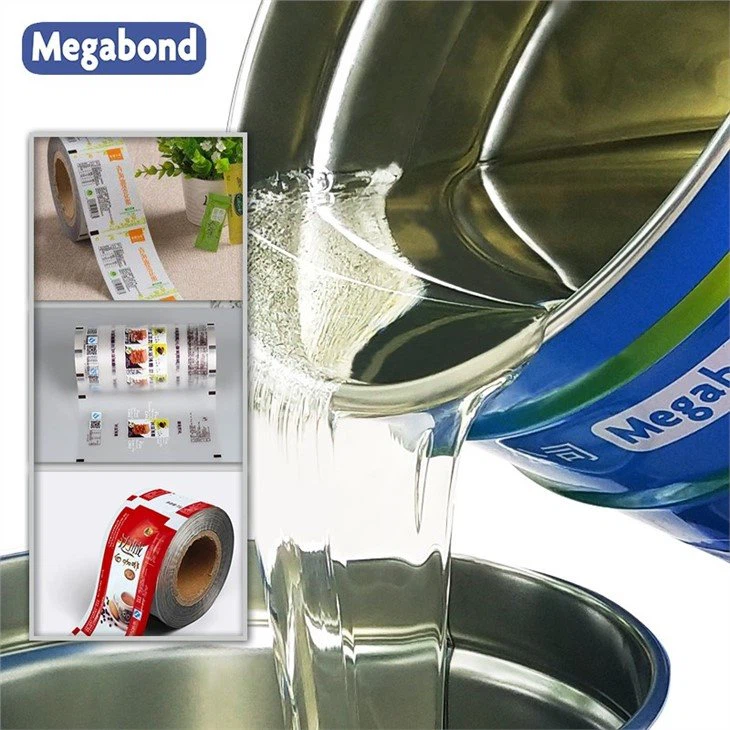
In the packaging industry, pressure resistance is crucial for ensuring the integrity of the package. For example, in food packaging, the adhesive - bonded joints need to withstand the pressure changes during transportation, storage, and processing. If the bonded joints fail under pressure, it can lead to product leakage, contamination, and reduced shelf life. Our polyurethane laminating adhesives are widely used in food packaging applications, providing reliable pressure resistance and ensuring the safety of the packaged products.
Automotive Industry
In the automotive industry, polyurethane laminating adhesives are used for bonding various components, such as interior trim, body panels, and glass. These bonded joints need to withstand the vibrations, shocks, and pressures generated during vehicle operation. A high - pressure - resistant adhesive can improve the durability and safety of the vehicle.
Construction Industry
In construction, polyurethane adhesives are used for bonding building materials, such as insulation panels, flooring, and wall cladding. The bonded joints need to resist the pressure from the weight of the building, wind loads, and seismic forces. Our adhesives with excellent pressure resistance can contribute to the structural integrity of the building.
Conclusion
The pressure resistance of Polyurethane laminating Adhesive - bonded joints is a complex but crucial aspect of adhesive performance. It is affected by various factors, including substrate properties, adhesive application, and curing conditions. By understanding these factors, we can develop and supply adhesives that meet the specific pressure - resistance requirements of different industries.
If you are looking for high - quality Polyurethane laminating adhesives with excellent pressure resistance, we are here to help. Our team of experts can provide you with detailed technical information and support to ensure that you choose the right adhesive for your application. Contact us to start a procurement discussion and find the best solution for your bonding needs.
References
- "Handbook of Adhesive Technology" by A. Pizzi and K. L. Mittal
- "Polyurethane Handbook" by G. Oertel
- Journal articles on adhesive bonding and pressure resistance in industrial applications.