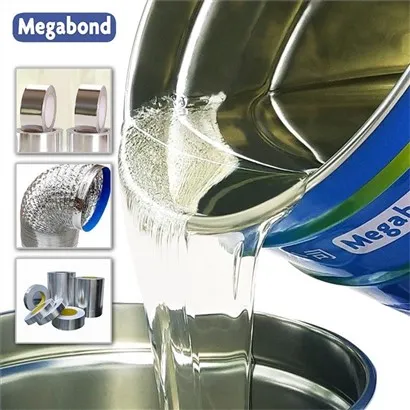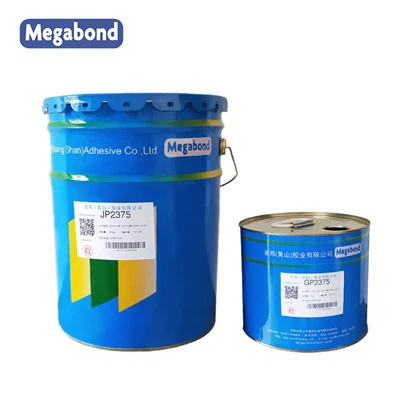


Hey there! As a supplier of solvent-based laminating adhesive, I often get asked about the shelf-life of our products. It's a super important question, and today, I'm gonna break it down for you.
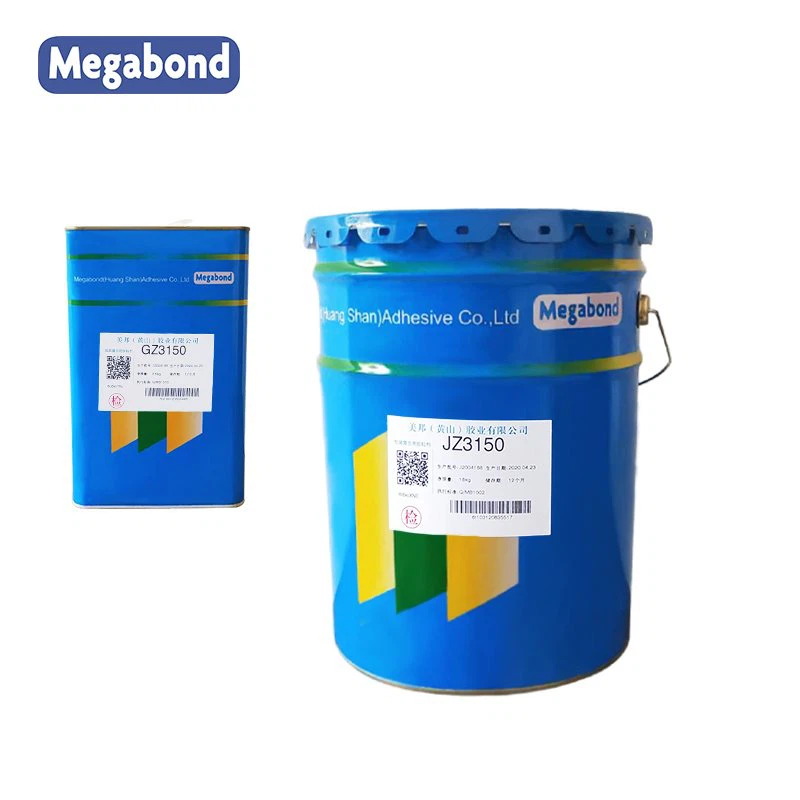

First off, let's talk about what solvent-based laminating adhesive is. It's a type of adhesive that uses solvents to dissolve the resin and other components. This makes it easy to apply and gives it great bonding properties. We use it in all sorts of applications, like packaging, labels, and even some industrial uses.
Now, onto the main topic: shelf-life. The shelf-life of solvent-based laminating adhesive can vary depending on a few key factors.
Factors Affecting Shelf-Life
Storage Conditions
This is probably the biggest factor. If you store the adhesive in the right conditions, it'll last a lot longer. The ideal storage temperature for most solvent-based laminating adhesives is between 5°C and 30°C (41°F and 86°F). Keeping it in a cool, dry place away from direct sunlight is crucial. If the temperature gets too high, the solvents can evaporate faster, and the adhesive can start to thicken or even harden. On the other hand, if it gets too cold, it might freeze, which can also mess up its properties.
For example, if you leave a drum of our Solvent-based Polyurethane Laminating Adhesive out in the hot sun for a few days, you'll notice that it becomes thicker and harder to work with. And if you store it in an unheated warehouse during the winter, there's a risk of it freezing and losing its effectiveness.
Packaging
The type of packaging also matters. Our adhesives come in sealed containers to prevent air and moisture from getting in. If the packaging is damaged or not properly sealed, the adhesive can start to react with the environment. Oxygen can cause oxidation, which can change the chemical structure of the adhesive and reduce its shelf-life.
Let's say you have a small leak in the lid of a container of Solvent-based 121℃ Anti-Steaming Laminating Adhesive. Over time, air will seep in, and you might notice that the adhesive starts to form a skin on the surface or becomes less sticky.
Chemical Composition
Different formulations of solvent-based laminating adhesive have different shelf-lives. Some adhesives are more stable than others. The type of resin, solvents, and additives used in the adhesive can all affect how long it lasts. For instance, adhesives with more reactive components might have a shorter shelf-life because they're more likely to react with the environment or with each other over time.
Typical Shelf-Life
Under normal storage conditions (5°C - 30°C and in sealed packaging), most of our solvent-based laminating adhesives have a shelf-life of about 6 to 12 months. But this can vary depending on the specific product.
Our Solvent-based 135℃ Anti-Steaming Laminating Adhesive, for example, has a relatively long shelf-life of up to 12 months when stored properly. This is because of its unique chemical formulation, which is designed to be more stable over time.
How to Check if the Adhesive is Still Good
Even if the adhesive is within its shelf-life, it's a good idea to check its quality before using it. Here are a few things you can look for:
Appearance
Check the color and consistency of the adhesive. If it has changed significantly from when you first bought it, it might be a sign that it's gone bad. For example, if it's become cloudy or has developed lumps, it's probably not in good condition.
Viscosity
The viscosity of the adhesive should be consistent. If it's too thick or too thin compared to what it should be, it might not work properly. You can use a simple viscosity test to check this. Just pour a small amount of the adhesive and see how it flows. If it's too slow or too fast, there could be an issue.
Bonding Performance
The most important test is to see if it can still bond materials together. Do a small test on a sample piece of the materials you'll be using. If the bond is weak or doesn't hold, the adhesive might be past its prime.
Maximizing Shelf-Life
If you want to make sure your solvent-based laminating adhesive lasts as long as possible, here are some tips:
- Store it properly: Keep it in a cool, dry place within the recommended temperature range.
- Don't open the container until you're ready to use it: Once you open it, try to use it up as soon as possible.
- Check the packaging regularly: Make sure there are no signs of damage or leaks.
- Follow the manufacturer's instructions: We provide detailed storage and handling instructions with each product. Make sure you read and follow them.
Why Shelf-Life Matters
Understanding the shelf-life of solvent-based laminating adhesive is crucial for several reasons.
Quality Assurance
Using an adhesive that's past its shelf-life can lead to poor bonding performance. This can result in products that don't meet the required quality standards. For example, in the packaging industry, if the adhesive doesn't bond the layers of packaging properly, it can lead to leaks or the packaging falling apart.
Cost-Effectiveness
If you use an adhesive that's gone bad, you might end up wasting time and money. You'll have to redo the work, and you might also have to buy new adhesive. By paying attention to the shelf-life, you can avoid these unnecessary costs.
Safety
In some cases, using an expired adhesive can also pose safety risks. For example, if the adhesive has degraded and releases harmful chemicals, it can be a health hazard to the workers handling it.
Conclusion
So, there you have it! The shelf-life of solvent-based laminating adhesive is affected by storage conditions, packaging, and chemical composition. Under normal circumstances, most of our adhesives have a shelf-life of 6 to 12 months. By storing it properly and checking its quality before use, you can ensure that you get the best performance out of our products.
If you're interested in learning more about our solvent-based laminating adhesives or have any questions about shelf-life or other aspects of our products, don't hesitate to reach out. We're here to help you find the right adhesive for your needs and make sure you get the most out of it. Whether you're in the packaging, labeling, or industrial sector, we have the solutions for you. Let's start a conversation and see how we can work together to meet your adhesive requirements.
References
- Packaging Industry Handbook: Adhesive Technologies
- Chemical Engineering Principles for Adhesive Manufacturing
- Solvent-Based Adhesive Research Papers