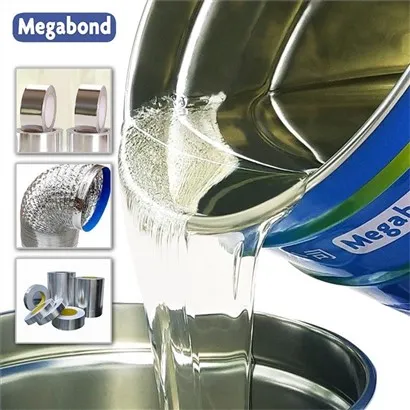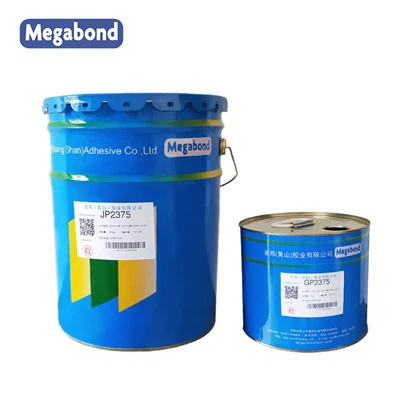


Polyurethane laminating adhesives are widely used in various industries due to their excellent bonding properties, flexibility, and durability. One of the key parameters that significantly influences the performance and application of these adhesives is the solid content. In this blog, as a polyurethane laminating adhesives supplier, I will delve into what the solid content of polyurethane laminating adhesives is, its importance, and how it affects the adhesive's performance.
Understanding Solid Content
The solid content of a polyurethane laminating adhesive refers to the proportion of non - volatile components in the adhesive formulation. It is usually expressed as a percentage. Non - volatile components are those substances that do not evaporate during the drying or curing process of the adhesive. These components typically include polymers, resins, fillers, and other additives that contribute to the adhesive's bonding strength, film - forming properties, and overall performance.
For example, if an adhesive has a solid content of 50%, it means that half of the total mass of the adhesive product is made up of non - volatile substances, while the other half consists of solvents or other volatile components. The solvents are mainly used to adjust the viscosity of the adhesive, making it easier to apply during the laminating process. Once the adhesive is applied to the substrates, the solvents evaporate, leaving behind a layer of solid adhesive that bonds the substrates together.
Importance of Solid Content
The solid content of polyurethane laminating adhesives plays a crucial role in several aspects of the laminating process and the final product quality.
Bonding Strength
A higher solid content generally means more adhesive material is available to form a bond between the substrates. This can result in stronger and more durable bonds. When the solid content is increased, there are more polymers and resins to interact with the surfaces of the substrates, creating a larger contact area and more intermolecular forces. As a result, the laminated products are less likely to delaminate under stress or during long - term use.

Drying and Curing Time
The solid content also affects the drying and curing time of the adhesive. Adhesives with a higher solid content have less solvent to evaporate. Therefore, they tend to dry and cure faster than those with a lower solid content. This can increase the production efficiency in the laminating process, allowing for shorter production cycles and higher throughput.
Cost - effectiveness
From a cost perspective, the solid content is an important consideration. Adhesives with a higher solid content may have a higher initial cost per unit volume. However, since less adhesive is required to achieve the same bonding strength due to the higher concentration of non - volatile components, the overall cost of using the adhesive in the laminating process can be lower. Additionally, faster drying and curing times can reduce energy consumption and labor costs associated with the production process.
Effects of Solid Content on Different Applications
The optimal solid content of polyurethane laminating adhesives varies depending on the specific application. Here are some examples of different applications and how the solid content affects them.
Packaging Industry
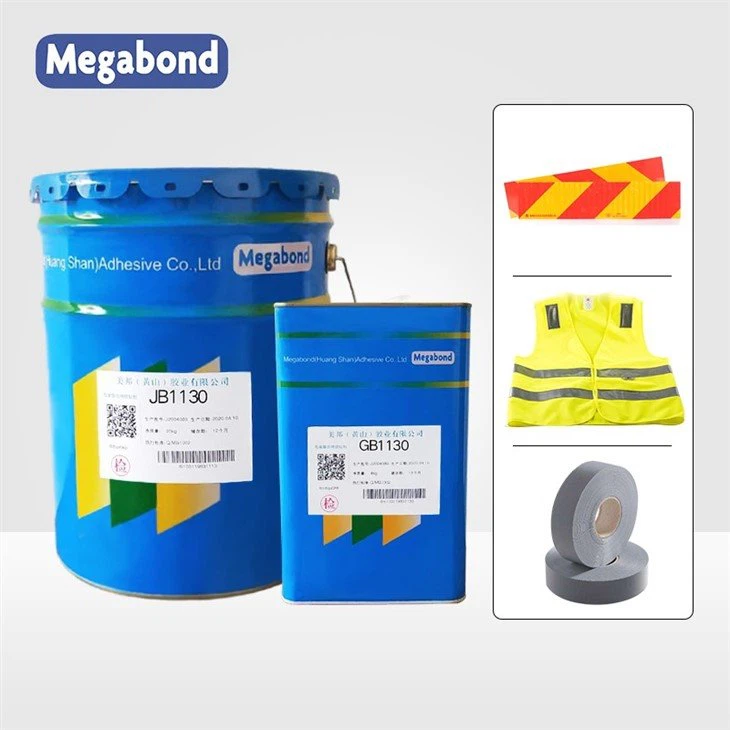
In the packaging industry, where high - speed production lines are common, adhesives with a relatively high solid content are often preferred. For example, when laminating flexible packaging materials such as plastic films and paper, a high - solid - content adhesive can ensure fast drying and strong bonds. This is essential to meet the high - volume production requirements and to maintain the integrity of the packaging during storage and transportation. Our Solvent - based Reflective Beads Laminating Adhesive is designed with an appropriate solid content to provide excellent bonding performance for reflective bead laminating in packaging applications.
Electronics Industry
In the electronics industry, where precision and reliability are crucial, the solid content of the adhesive needs to be carefully controlled. For laminating electronic components or insulating materials, adhesives with a moderate solid content are often used. This is because a moderate solid content can provide good flowability for precise application while still ensuring strong bonding and good electrical insulation properties. Our Solvent - based AL Copper Material Laminating Adhesive is formulated to meet the specific requirements of laminating aluminum and copper materials in electronics, with a well - balanced solid content.
Insulation Industry
For insulation laminating applications, such as in the production of DMD (Dacron - Mylar - Dacron) insulation materials, the solid content of the adhesive is also critical. Adhesives with a suitable solid content can ensure good adhesion between the different layers of insulation materials while maintaining the insulation properties. Our Solvent - based DMD Insulation Laminating PU Glue is developed to have an optimal solid content for this purpose, providing reliable bonding and excellent insulation performance.
Controlling Solid Content
As a polyurethane laminating adhesives supplier, we have strict quality control measures in place to ensure the consistency of the solid content in our products. During the manufacturing process, we carefully select the raw materials and control the mixing ratios to achieve the desired solid content. We also use advanced testing equipment to measure the solid content of each batch of adhesives before they are released to the market.
In addition, we can customize the solid content of our adhesives according to the specific requirements of our customers. Whether you need an adhesive with a high solid content for high - strength bonding or a lower solid content for applications where slow drying is preferred, we can develop a suitable product for you.
Conclusion
The solid content of polyurethane laminating adhesives is a critical parameter that affects the bonding strength, drying and curing time, cost - effectiveness, and overall performance of the laminated products. Understanding the concept of solid content and its importance can help manufacturers make informed decisions when selecting adhesives for their laminating processes.
As a professional polyurethane laminating adhesives supplier, we are committed to providing high - quality adhesives with consistent solid content and excellent performance. If you are looking for reliable polyurethane laminating adhesives for your specific application, we invite you to contact us for more information and to discuss your procurement needs. We are confident that our products and technical support can meet your requirements and help you achieve the best results in your laminating operations.
References
- "Polyurethane Adhesives: Chemistry, Technology, and Applications" by X. Zhang and K. C. Frisch.
- "Handbook of Adhesive Technology" edited by A. Pizzi and K. L. Mittal.
- Industry reports on the laminating adhesive market and related research papers.