

Hey there! As a supplier of Polyurethane Glue laminating glue, I often get asked about the viscosity of our products. Viscosity is a pretty important factor when it comes to laminating glues, so I thought I'd take a moment to break it down for you.
What is Viscosity?
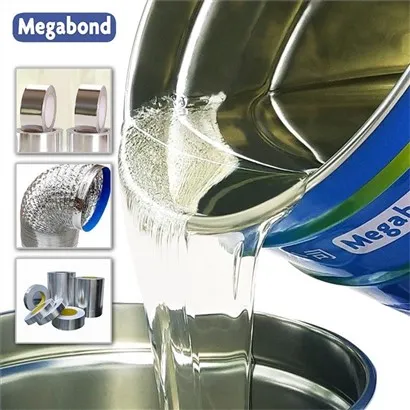
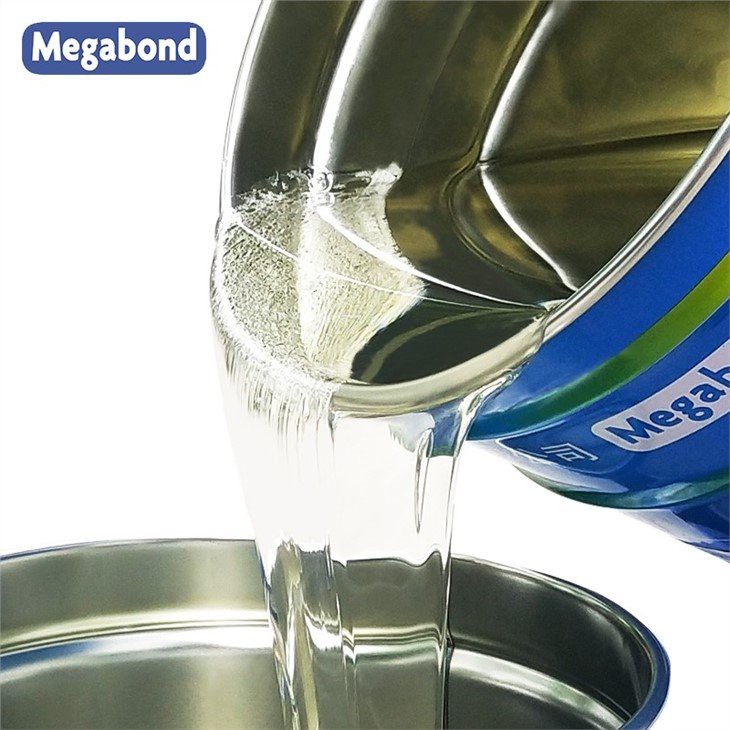
First things first, let's talk about what viscosity actually is. In simple terms, viscosity is a measure of a fluid's resistance to flow. Think of it like this: honey has a high viscosity because it flows slowly, while water has a low viscosity because it flows quickly.
For polyurethane laminating glue, viscosity plays a crucial role in how the glue behaves during the laminating process. If the viscosity is too high, the glue might be difficult to spread evenly, leading to uneven laminations. On the other hand, if the viscosity is too low, the glue might run off the surface or not provide enough bonding strength.
Why Viscosity Matters in Polyurethane Laminating Glue
When you're laminating different materials together, you want the glue to spread smoothly and evenly across the surfaces. A glue with the right viscosity will ensure proper wetting of the materials, which is essential for a strong bond.
For example, if you're laminating metal and plastic, you need a glue that can flow well enough to cover the surfaces but also has enough body to stay in place until it dries. Our Solvent-based Metal Plastic Tinplate Laminating PU Glue is formulated to have just the right viscosity for this type of application. It spreads easily over the metal and plastic surfaces, creating a strong and durable bond.
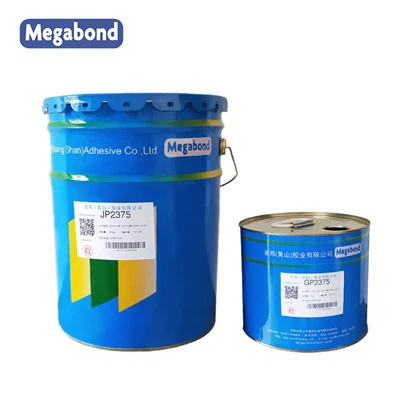
Similarly, when laminating AL copper materials, the viscosity of the glue needs to be carefully balanced. Our Solvent-based AL Copper Material Laminating Adhesive is designed to provide excellent wetting and adhesion, thanks to its optimized viscosity.
And for DMD insulation laminating, where precision is key, the viscosity of the glue can make or break the lamination. Our Solvent-based DMD Insulation Laminating PU Glue has a viscosity that allows for accurate application and a reliable bond, ensuring the insulation performs as expected.
Factors Affecting the Viscosity of Polyurethane Laminating Glue
There are several factors that can affect the viscosity of polyurethane laminating glue. One of the main factors is the temperature. Generally, as the temperature increases, the viscosity of the glue decreases. This means that the glue will flow more easily at higher temperatures.

For instance, if you're working in a warm environment, you might notice that the glue spreads more readily than in a cold environment. However, it's important to note that extreme temperatures can also have a negative impact on the performance of the glue. If it gets too hot, the glue might dry too quickly, while if it gets too cold, it might become too thick to use effectively.
Another factor is the formulation of the glue itself. Different types of polyurethane laminating glues have different viscosities depending on their chemical composition. Some glues are designed to be more viscous for specific applications, while others are formulated to be more fluid.
The solids content of the glue also plays a role in its viscosity. Glues with a higher solids content tend to be more viscous than those with a lower solids content. This is because the solids in the glue contribute to its thickness and resistance to flow.

Measuring the Viscosity of Polyurethane Laminating Glue
There are several methods for measuring the viscosity of polyurethane laminating glue. One common method is to use a viscometer. A viscometer is a device that measures the resistance of a fluid to flow. There are different types of viscometers available, such as rotational viscometers and capillary viscometers.
Rotational viscometers work by measuring the torque required to rotate a spindle immersed in the glue. The higher the viscosity of the glue, the more torque is required to rotate the spindle. Capillary viscometers, on the other hand, measure the time it takes for a fixed volume of glue to flow through a capillary tube. The longer it takes for the glue to flow, the higher its viscosity.
Controlling the Viscosity of Polyurethane Laminating Glue
As a supplier, we have strict quality control measures in place to ensure that our polyurethane laminating glues have the right viscosity. We carefully monitor the production process, from the raw materials to the final product, to make sure that the viscosity meets our specifications.
However, once you receive the glue, you might need to make some adjustments to the viscosity depending on your specific application. One way to do this is by adjusting the temperature. As mentioned earlier, increasing the temperature will decrease the viscosity, while decreasing the temperature will increase it.
You can also add solvents or thinners to the glue to reduce its viscosity. However, it's important to be careful when doing this, as adding too much solvent can affect the performance of the glue. Always follow the manufacturer's instructions when adding solvents or thinners.
Conclusion
In conclusion, the viscosity of polyurethane laminating glue is a critical factor that can affect the quality and performance of your laminations. By understanding what viscosity is, why it matters, and how it can be affected and measured, you can make more informed decisions when choosing a glue for your application.
If you're in the market for high-quality polyurethane laminating glue, look no further. Our range of products, including the Solvent-based Metal Plastic Tinplate Laminating PU Glue, Solvent-based AL Copper Material Laminating Adhesive, and Solvent-based DMD Insulation Laminating PU Glue, are formulated to have the optimal viscosity for a variety of applications.
If you have any questions or would like to discuss your specific needs, don't hesitate to reach out. We're here to help you find the perfect glue for your laminating projects.
References
- Introduction to Viscosity. (n.d.). Retrieved from various fluid dynamics textbooks
- Polyurethane Adhesives: Chemistry and Technology. (n.d.). A technical guide on polyurethane adhesives and their properties.