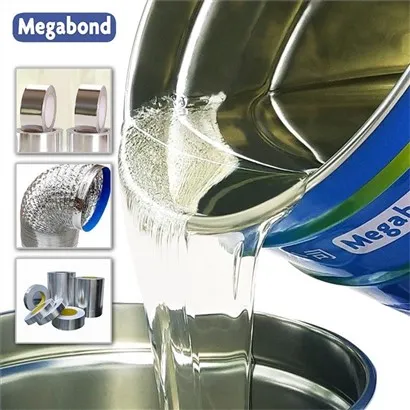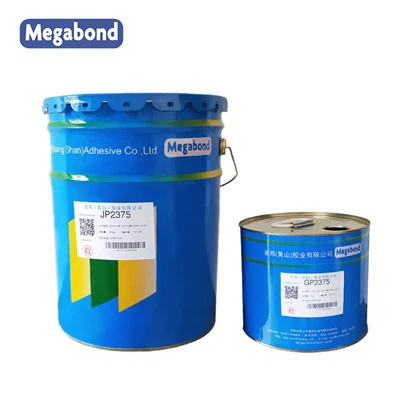


Hey there! As a supplier of PU lamination adhesive, I know firsthand how important it is to clean up properly after using this stuff. It can be a real pain if you don't handle it right, and it might even mess up your equipment or work area. So, in this blog, I'm gonna share some tips on how to clean up PU lamination adhesive after use.

Why Cleaning Up is a Big Deal
First off, let's talk about why cleaning up PU lamination adhesive is so crucial. PU adhesive can harden quickly once it's exposed to air, and if you leave it sitting around, it can cause all sorts of problems. It can clog up your application equipment, like rollers or nozzles, which means you'll have to spend more time and money on maintenance or even replacement. Plus, if it gets on surfaces like workbenches or floors, it can be a real hassle to remove later on. And let's not forget about safety – some PU adhesives can be hazardous if they're not cleaned up properly, so it's important to take the necessary precautions.
Pre - cleaning Preparation
Before you start cleaning, you need to make sure you have the right tools and materials. Here's a list of what you'll typically need:
- Safety Gear: This includes gloves, goggles, and a respirator if necessary. PU adhesives can be harmful if they come into contact with your skin or if you inhale the fumes, so it's better to be safe than sorry.
- Cleaning Solvents: Depending on the type of PU lamination adhesive you're using, you'll need a suitable solvent. Some common solvents for PU adhesives include acetone, methyl ethyl ketone (MEK), and isopropyl alcohol. Make sure you check the adhesive manufacturer's recommendations to find the right solvent for your specific product.
- Cleaning Brushes and Rags: You'll need some brushes to scrub away the adhesive and rags to wipe it up. Use brushes with stiff bristles for stubborn adhesive and soft rags to avoid scratching surfaces.
- Containers: Have some containers on hand to collect the used solvents and adhesive waste. This will help you dispose of them properly later.
Cleaning the Application Equipment
If you're using equipment like rollers, nozzles, or pumps to apply the PU lamination adhesive, it's important to clean them right after use. Here's how you can do it:

- Stop the Application: As soon as you're done using the equipment, turn it off and disconnect it from the power source if applicable.
- Remove Excess Adhesive: Use a spatula or a scraper to remove as much of the excess adhesive as possible from the equipment. Be careful not to damage the surfaces.
- Soak in Solvent: Fill a container with the appropriate cleaning solvent and soak the parts of the equipment that have adhesive on them. Let them soak for a while to loosen the adhesive. For example, if you're cleaning rollers, you can submerge them in the solvent for 15 - 30 minutes.
- Scrub and Rinse: After soaking, use a brush to scrub the parts to remove the remaining adhesive. Then, rinse them thoroughly with clean water to remove any traces of the solvent.
- Dry and Lubricate: Once the parts are clean, dry them completely with a clean rag. If necessary, lubricate the moving parts according to the equipment manufacturer's instructions.
Cleaning Work Surfaces
Cleaning the work surfaces where you've used the PU lamination adhesive is also essential. Here's a step - by - step guide:
- Wipe Up Excess: Use a rag to wipe up any excess adhesive as soon as you notice it. The quicker you do this, the easier it will be to clean.
- Apply Solvent: Pour a small amount of the cleaning solvent onto a clean rag and gently rub the area with the adhesive. Be careful not to spread the adhesive to other areas.
- Scrub if Needed: If the adhesive is stubborn, you can use a brush to scrub the area. But be gentle, especially if you're cleaning a delicate surface.
- Rinse and Dry: After removing the adhesive, rinse the area with clean water and dry it with a rag.
Disposing of Waste
Proper waste disposal is a must when it comes to cleaning up PU lamination adhesive. Here's what you need to do:
- Separate the Waste: Separate the used solvents, rags, and any other waste materials that have come into contact with the adhesive.
- Follow Local Regulations: Check your local environmental regulations for the proper way to dispose of hazardous waste. In most cases, you'll need to take the waste to a designated hazardous waste disposal facility.
Our PU Lamination Adhesive Products
We offer a wide range of high - quality PU lamination adhesives for different applications. For example, our Solvent-based AL Copper Material Laminating Adhesive is perfect for laminating AL copper materials. It provides strong bonding and excellent durability.

Our Solvent-based Reflective Beads Laminating Adhesive is specifically designed for laminating reflective beads. It ensures good adhesion and long - lasting performance.
And our Solvent-based DMD Insulation Laminating Adhesive is ideal for DMD insulation laminating. It offers reliable insulation properties and strong bonding.
Conclusion
Cleaning up PU lamination adhesive after use might seem like a chore, but it's definitely worth it in the long run. By following these tips, you can keep your equipment in good condition, maintain a clean work area, and ensure the safety of everyone involved. If you're interested in our PU lamination adhesive products or have any questions about cleaning them up, feel free to reach out to us for a procurement discussion. We're always here to help you find the best solutions for your lamination needs.
References
- General knowledge about PU lamination adhesives and cleaning methods from industry experience.
- Manufacturer's guidelines for specific PU lamination adhesive products.