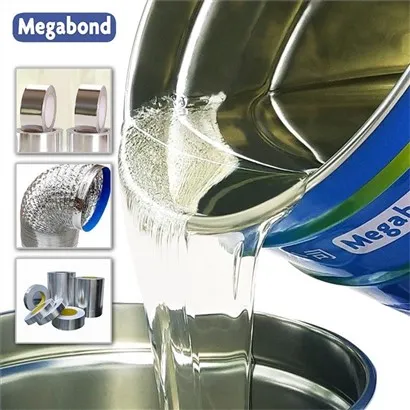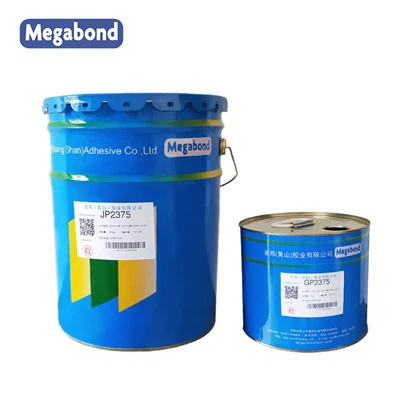


As a supplier of film lamination adhesive, I've witnessed firsthand the diverse applications and the wide range of materials these adhesives can bond. Film lamination adhesives are crucial in various industries, from packaging to electronics, providing a strong and reliable bond between different substrates. In this blog, I'll explore the materials that film lamination adhesive can bond, highlighting the versatility and effectiveness of these products.


Plastic Films
One of the most common applications of film lamination adhesive is bonding plastic films. Plastic films are widely used in packaging, labels, and decorative applications due to their flexibility, durability, and transparency. Film lamination adhesives can bond various types of plastic films, including polyethylene (PE), polypropylene (PP), polyester (PET), and polyvinyl chloride (PVC).
- Polyethylene (PE): PE is a widely used plastic film due to its low cost, flexibility, and chemical resistance. Film lamination adhesives can bond PE films to other materials, such as paper, cardboard, or other plastic films, to create composite materials with enhanced properties. For example, PE films can be laminated to paper to create moisture-resistant packaging materials.
- Polypropylene (PP): PP is another popular plastic film known for its high strength, stiffness, and heat resistance. Film lamination adhesives can bond PP films to other materials, such as metal foils or paper, to create packaging materials with excellent barrier properties. For example, PP films can be laminated to aluminum foil to create a barrier against oxygen, moisture, and light.
- Polyester (PET): PET is a strong and durable plastic film with excellent clarity and dimensional stability. Film lamination adhesives can bond PET films to other materials, such as paper, cardboard, or metal foils, to create packaging materials with high-quality appearance and performance. For example, PET films can be laminated to paper to create labels with excellent printability and durability.
- Polyvinyl Chloride (PVC): PVC is a versatile plastic film with excellent flexibility, chemical resistance, and flame retardancy. Film lamination adhesives can bond PVC films to other materials, such as fabric, leather, or wood, to create decorative materials with a wide range of applications. For example, PVC films can be laminated to fabric to create upholstery materials with a leather-like appearance.
Metal Foils
Metal foils, such as aluminum foil, are widely used in packaging applications due to their excellent barrier properties against oxygen, moisture, and light. Film lamination adhesives can bond metal foils to other materials, such as plastic films or paper, to create composite materials with enhanced barrier properties.
- Aluminum Foil: Aluminum foil is the most commonly used metal foil in packaging applications due to its high barrier properties, light weight, and low cost. Film lamination adhesives can bond aluminum foil to other materials, such as PE, PP, or PET films, to create packaging materials with excellent barrier properties against oxygen, moisture, and light. For example, aluminum foil can be laminated to PE film to create a barrier against oxygen and moisture, which is ideal for packaging food products.
- Other Metal Foils: In addition to aluminum foil, other metal foils, such as copper foil and stainless steel foil, can also be bonded using film lamination adhesives. These metal foils are used in various applications, such as electronics, automotive, and aerospace industries, due to their excellent electrical conductivity, thermal conductivity, and corrosion resistance.
Paper and Cardboard
Paper and cardboard are widely used in packaging applications due to their low cost, recyclability, and printability. Film lamination adhesives can bond paper and cardboard to other materials, such as plastic films or metal foils, to create composite materials with enhanced properties.
- Paper: Paper is a versatile material that can be used in various packaging applications, such as boxes, bags, and labels. Film lamination adhesives can bond paper to other materials, such as plastic films or metal foils, to create packaging materials with enhanced strength, durability, and barrier properties. For example, paper can be laminated to PE film to create a moisture-resistant packaging material.
- Cardboard: Cardboard is a thicker and stronger material than paper, which is commonly used in packaging applications, such as boxes and cartons. Film lamination adhesives can bond cardboard to other materials, such as plastic films or metal foils, to create packaging materials with enhanced strength, durability, and barrier properties. For example, cardboard can be laminated to aluminum foil to create a barrier against oxygen, moisture, and light, which is ideal for packaging food products.
Fabrics and Textiles
Fabrics and textiles are widely used in various industries, such as fashion, home decor, and automotive. Film lamination adhesives can bond fabrics and textiles to other materials, such as plastic films or leather, to create composite materials with enhanced properties.
- Natural Fabrics: Natural fabrics, such as cotton, silk, and wool, are widely used in the fashion industry due to their softness, comfort, and breathability. Film lamination adhesives can bond natural fabrics to other materials, such as plastic films or leather, to create composite materials with enhanced durability, water resistance, and stain resistance. For example, cotton fabric can be laminated to a waterproof plastic film to create a waterproof jacket.
- Synthetic Fabrics: Synthetic fabrics, such as polyester, nylon, and acrylic, are widely used in the fashion, home decor, and automotive industries due to their durability, wrinkle resistance, and easy care. Film lamination adhesives can bond synthetic fabrics to other materials, such as plastic films or leather, to create composite materials with enhanced properties. For example, polyester fabric can be laminated to a leather-like plastic film to create a upholstery material with a leather-like appearance.
Other Materials
In addition to the materials mentioned above, film lamination adhesives can also bond other materials, such as wood, glass, and ceramics. These materials are used in various applications, such as furniture, construction, and electronics.
- Wood: Wood is a natural material that is widely used in furniture, construction, and decorative applications. Film lamination adhesives can bond wood to other materials, such as plastic films or metal foils, to create composite materials with enhanced properties. For example, wood can be laminated to a plastic film to create a waterproof and scratch-resistant surface.
- Glass: Glass is a transparent and brittle material that is widely used in the construction, automotive, and electronics industries. Film lamination adhesives can bond glass to other materials, such as plastic films or metal foils, to create composite materials with enhanced properties. For example, glass can be laminated to a plastic film to create a shatterproof window.
- Ceramics: Ceramics are hard and brittle materials that are widely used in the construction, automotive, and electronics industries. Film lamination adhesives can bond ceramics to other materials, such as plastic films or metal foils, to create composite materials with enhanced properties. For example, ceramics can be laminated to a plastic film to create a heat-resistant and scratch-resistant surface.
Our Product Range
As a film lamination adhesive supplier, we offer a wide range of products to meet the diverse needs of our customers. Our products include Solvent-based 100℃ Anti-Boiling Laminating Adhesive, Solvent-based AL-plating Film Laminating Adhesive, and Solvent-based 121℃ Anti-Steaming Laminating Adhesive. These products are designed to provide strong and reliable bonds between different materials, ensuring the quality and performance of the final products.
Contact Us for Purchase and Negotiation
If you are interested in our film lamination adhesives or have any questions about the materials that our adhesives can bond, please feel free to contact us. We are committed to providing high-quality products and excellent customer service. Our team of experts will be happy to assist you in selecting the right adhesive for your specific application and provide you with technical support and advice.
References
- "Handbook of Adhesive Technology" by Skeist, I.
- "Adhesives and Sealants Technology" by Mittal, K. L.
- "Polymer Adhesives: Chemistry and Technology" by Shen, M. and Hsu, S. L.