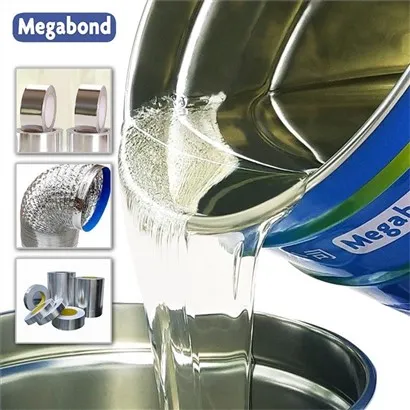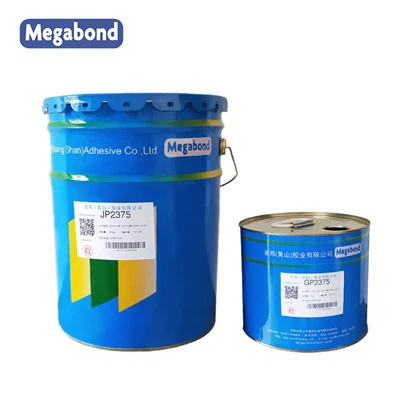


Hey there! As a supplier of Polyurethane Glue laminating glue, I often get asked a bunch of questions about where and how to use our products. One question that pops up quite a bit is, "Can I use polyurethane laminating glue for laminating ceiling tiles?" Well, let's dig into this topic and find out.
First off, let's talk about what polyurethane laminating glue is. Polyurethane glue is a super - versatile adhesive. It's known for its strong bonding capabilities, flexibility, and durability. It can form a really tight bond between different materials, which is why it's used in so many industries.
When it comes to ceiling tiles, there are a few things we need to consider before deciding if polyurethane laminating glue is the right choice.
Advantages of Using Polyurethane Laminating Glue for Ceiling Tiles
Strong Bond
Polyurethane glue creates a really strong bond. Ceiling tiles need to stay in place for a long time, and this glue can ensure that they don't come loose easily. Whether it's a drywall ceiling tile or a decorative one, the glue can hold it firmly in position. For example, if you have a heavy - duty ceiling tile made of a thick material, the strong bond of polyurethane glue can support its weight without any issues.
Flexibility
Ceiling tiles may expand and contract due to changes in temperature and humidity. Polyurethane glue has some degree of flexibility, which means it can withstand these small movements without breaking the bond. This is crucial because if the glue is too rigid, it might crack over time as the tiles move, leading to the tiles coming loose.
Resistance to Moisture
In areas where there might be a bit of moisture, like bathrooms or kitchens, polyurethane glue can be a good option. It has some resistance to moisture, which helps prevent the bond from weakening due to water exposure. This is important for the longevity of the ceiling tile installation.
Disadvantages of Using Polyurethane Laminating Glue for Ceiling Tiles
Application Difficulty
Polyurethane glue can be a bit tricky to apply. It usually needs to be spread evenly, and if you don't do it right, you might end up with uneven bonding. Also, it has a relatively short open time, which means you need to work quickly once you've applied the glue. If you're not experienced in using this type of glue, it could lead to a less - than - perfect installation.
Odor
Some polyurethane glues can have a strong odor during the curing process. This can be a problem, especially if you're installing ceiling tiles in a closed space. The odor might linger for a while, causing discomfort for the people in the area.
Cost
Compared to some other types of adhesives, polyurethane laminating glue can be more expensive. If you're on a tight budget for your ceiling tile project, the cost could be a deterrent.
Other Considerations
Compatibility with Tile Material
Not all ceiling tiles are compatible with polyurethane glue. Some tiles might have a surface that doesn't allow the glue to bond properly. For example, if the tile has a very smooth or non - porous surface, the glue might not adhere as well. You need to test a small area first to make sure the glue works with the specific type of ceiling tile you have.
Installation Environment
The environment where you're installing the ceiling tiles matters. If the area is very cold, the curing process of the polyurethane glue might be slower, and it might not bond as effectively. On the other hand, if it's too hot and humid, the glue might dry too quickly, making it difficult to work with.
Alternatives to Polyurethane Laminating Glue for Ceiling Tiles
There are other types of adhesives that you can consider for laminating ceiling tiles.
Construction Adhesive
Construction adhesive is another popular choice. It's generally easy to apply and can provide a strong bond. It's also available in different formulations, some of which are specifically designed for ceiling tile installation. However, it might not have the same level of flexibility as polyurethane glue.
Contact Cement
Contact cement is a fast - drying adhesive that can bond ceiling tiles quickly. It's good for lightweight tiles. But it requires careful application, and once the two surfaces are in contact, there's no room for adjustment.
Our Polyurethane Laminating Glue Range
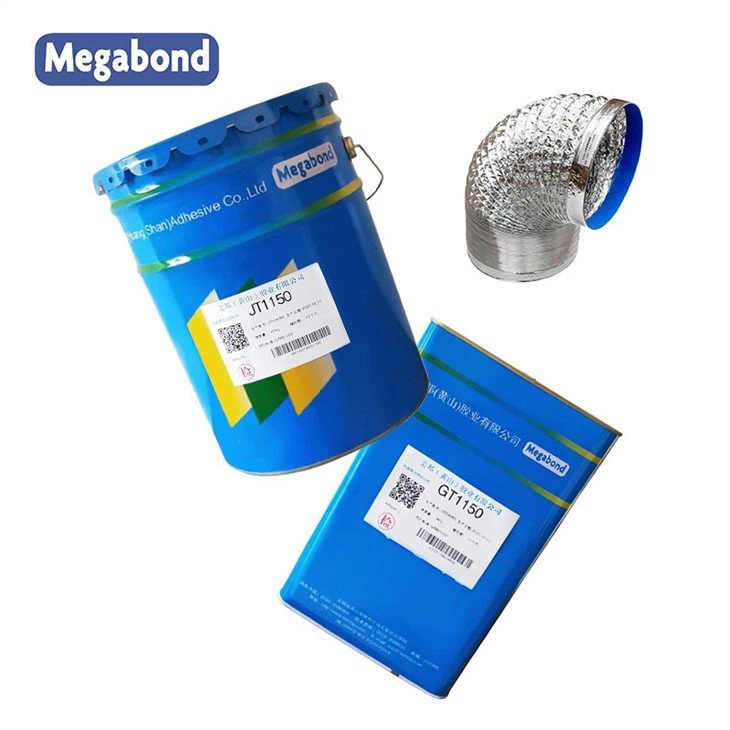
We offer a variety of polyurethane laminating glues that might be suitable for ceiling tile applications.
- Solvent - based AL Copper Material Laminating Adhesive: This adhesive has excellent bonding properties and can be used in different environments. It's also resistant to some chemicals, which can be an added advantage in certain situations.
- Solvent - based Door Panel PVC Metal Laminating Adhesive: Although it's named for door panel applications, its strong bonding capabilities make it a potential candidate for ceiling tile laminating as well. It can bond different materials effectively.
- Solvent - based Reflective Beads Laminating Adhesive: This adhesive is known for its durability and can work well for ceiling tiles that require a long - lasting bond.
Conclusion
So, can you use polyurethane laminating glue for laminating ceiling tiles? The answer is, it depends. There are definite advantages in terms of the strong bond, flexibility, and moisture resistance. But there are also some drawbacks, like the application difficulty, odor, and cost. You need to consider the type of ceiling tile, the installation environment, and your own experience with using adhesives.
If you're still not sure whether our polyurethane laminating glue is the right choice for your ceiling tile project, don't hesitate to reach out to us. We're here to help you make the best decision. Whether you have questions about the product, need advice on installation, or are interested in placing an order, we're just a message away. Let's start a conversation and find the perfect adhesive solution for your ceiling tile needs.

References
- "Adhesive Handbook" - A comprehensive guide on different types of adhesives and their applications.
- Industry research on ceiling tile installation and adhesive performance.