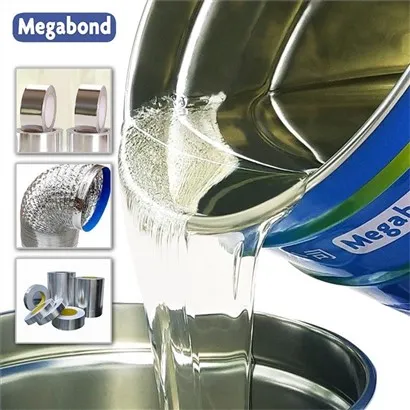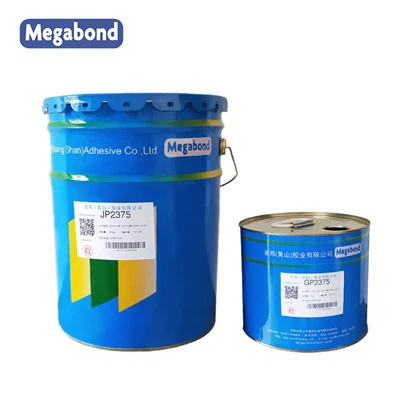


As a supplier of solvent laminating adhesive, I often encounter questions from customers regarding the compatibility of our products with plastic lamination. This blog aims to delve into the topic of whether solvent laminating adhesive can be used for laminating plastics, exploring the technical aspects, benefits, limitations, and applications.
Technical Aspects of Solvent Laminating Adhesive for Plastics
Solvent laminating adhesives are formulated to provide strong bonding between various substrates, including plastics. These adhesives typically consist of a resin dissolved in a solvent. When applied to the plastic surface, the solvent evaporates, leaving behind a thin layer of resin that adheres to the plastic. The bonding mechanism relies on the physical and chemical interactions between the adhesive and the plastic surface.


The choice of solvent is crucial as it affects the solubility of the resin, the drying time, and the adhesion properties. Common solvents used in solvent laminating adhesives include toluene, ethyl acetate, and methyl ethyl ketone. These solvents are selected for their ability to dissolve the resin effectively and evaporate quickly, allowing for efficient lamination processes.
The resin component of the adhesive determines the adhesion strength, flexibility, and chemical resistance. Polyurethane is a popular resin choice for solvent laminating adhesives due to its excellent adhesion to a wide range of plastics, including polyethylene (PE), polypropylene (PP), polyester (PET), and nylon. Polyurethane adhesives offer high bond strength, good flexibility, and resistance to heat, chemicals, and moisture.
Benefits of Using Solvent Laminating Adhesive for Plastics
- Strong Adhesion: Solvent laminating adhesives provide strong and durable bonds between plastics, ensuring reliable lamination. This is particularly important for applications where the laminated plastic products are subjected to mechanical stress, such as in packaging, automotive, and electronic industries.
- Versatility: These adhesives can be used to laminate different types of plastics, including films, sheets, and molded parts. They can also be used to bond plastics to other substrates, such as paper, cardboard, and metal, expanding their application scope.
- Good Chemical Resistance: Solvent laminating adhesives offer good resistance to chemicals, including solvents, oils, and acids. This makes them suitable for applications where the laminated plastic products may come into contact with chemicals, such as in chemical packaging and industrial applications.
- Fast Drying Time: The use of solvents in the adhesive formulation allows for fast drying, reducing the production cycle time and increasing productivity. This is beneficial for high-volume manufacturing processes.
- Customizable Properties: Solvent laminating adhesives can be formulated to meet specific requirements, such as different adhesion strengths, flexibility, and heat resistance. This allows for customization based on the application needs.
Limitations of Using Solvent Laminating Adhesive for Plastics
- Environmental Concerns: The use of solvents in the adhesive formulation raises environmental concerns due to the emission of volatile organic compounds (VOCs). VOCs can contribute to air pollution and have potential health risks. To address these concerns, manufacturers are developing low-VOC and solvent-free adhesive alternatives.
- Flammability: Solvents used in solvent laminating adhesives are flammable, posing a fire hazard during the manufacturing and storage processes. Proper safety measures, such as ventilation systems and fire prevention equipment, need to be in place to ensure a safe working environment.
- Surface Preparation: The adhesion of solvent laminating adhesives to plastics depends on the surface condition of the plastic. Some plastics, such as PE and PP, have low surface energy and require surface treatment, such as corona treatment or flame treatment, to improve adhesion.
- Cost: Solvent laminating adhesives can be more expensive than other types of adhesives, such as water-based adhesives. The cost of the adhesive, as well as the cost of the solvents and the associated safety equipment, needs to be considered in the overall production cost.
Applications of Solvent Laminating Adhesive for Plastics
- Packaging Industry: Solvent laminating adhesives are widely used in the packaging industry for laminating plastic films and sheets to create flexible packaging materials, such as pouches, bags, and labels. These adhesives provide strong bonds that ensure the integrity of the packaging and protect the contents from moisture, oxygen, and other contaminants.
- Automotive Industry: In the automotive industry, solvent laminating adhesives are used for laminating plastic components, such as interior trim panels, dashboard covers, and door panels. These adhesives provide strong and durable bonds that can withstand the harsh conditions inside a vehicle, including heat, vibration, and chemical exposure.
- Electronic Industry: Solvent laminating adhesives are used in the electronic industry for laminating plastic films and sheets to printed circuit boards (PCBs), touchscreens, and other electronic components. These adhesives provide electrical insulation, mechanical support, and protection against moisture and dust.
- Textile Industry: In the textile industry, solvent laminating adhesives are used for laminating plastic films to fabrics to create waterproof and breathable materials, such as raincoats, tents, and outdoor clothing. These adhesives provide a strong bond that ensures the durability and performance of the laminated textile products.
Our Solvent Laminating Adhesive Products
At our company, we offer a range of solvent laminating adhesives specifically designed for laminating plastics. Our products are formulated with high-quality resins and solvents to provide strong adhesion, good flexibility, and excellent chemical resistance.
- Solvent-based Anti-Additives Laminating Adhesive: This adhesive is designed to provide strong adhesion to a wide range of plastics, including PE, PP, PET, and nylon. It offers excellent resistance to additives, such as slip agents and anti-blocking agents, ensuring reliable lamination in the presence of these additives.
- Solvent-based 135℃ Anti-Steaming Laminating Adhesive: This adhesive is suitable for applications where the laminated plastic products are subjected to high temperatures and steam. It provides strong adhesion and good heat resistance up to 135℃, ensuring the integrity of the lamination under steam sterilization conditions.
- Solvent Based 135℃ Anti-Retorting Laminating Adhesive: This adhesive is designed for retort packaging applications, where the laminated plastic products are subjected to high-temperature and high-pressure sterilization processes. It offers excellent adhesion and resistance to retorting conditions, ensuring the safety and quality of the packaged products.
Conclusion
In conclusion, solvent laminating adhesive can be effectively used for laminating plastics, offering strong adhesion, versatility, and good chemical resistance. However, it also has some limitations, such as environmental concerns, flammability, and the need for surface preparation. When choosing a solvent laminating adhesive for plastic lamination, it is important to consider the specific requirements of the application, such as the type of plastic, the adhesion strength, the heat resistance, and the environmental conditions.
At our company, we are committed to providing high-quality solvent laminating adhesives that meet the diverse needs of our customers. Our products are backed by our technical expertise and excellent customer service. If you are interested in learning more about our solvent laminating adhesive products or have any questions regarding plastic lamination, please feel free to contact us for a consultation. We look forward to working with you to find the best adhesive solution for your application.
References
- "Adhesives and Sealants Handbook" by Alan T. Dibenedetto
- "Handbook of Adhesives" by Irving Skeist
- "Polyurethane Handbook" by Gunter Oertel