

Hey there! As a supplier of solvent based laminating adhesives, I often get asked if these adhesives require special curing conditions. Well, the answer is a bit of a mixed bag, and in this blog, I'll break it all down for you.
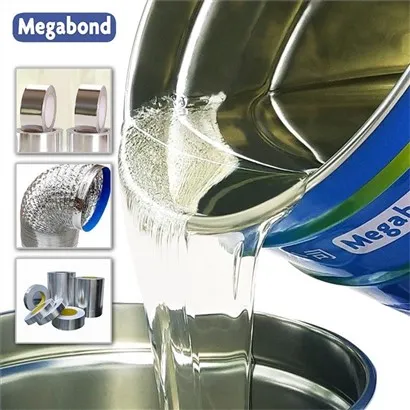
First off, let's talk about what solvent based laminating adhesives are. These adhesives are commonly used in the packaging industry for laminating different materials together, like plastic films and paper. They work by dissolving the adhesive resin in a solvent, which then evaporates during the curing process, leaving behind a strong bond between the laminated materials.
Now, to the big question - do they need special curing conditions? The short answer is yes, in most cases. But the exact conditions can vary depending on a few factors.
One of the most important factors is the type of solvent used in the adhesive. Different solvents have different evaporation rates, and this can have a big impact on the curing process. For example, some solvents evaporate quickly at room temperature, while others need a bit of heat to speed things up. If you're using an adhesive with a slow - evaporating solvent, you'll likely need to provide some additional heat or ventilation to ensure the solvent evaporates completely and the adhesive cures properly.
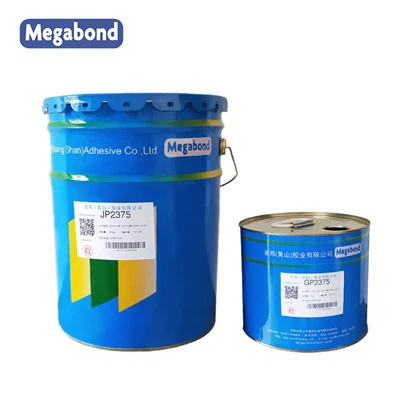
Another factor is the specific formulation of the adhesive. Some solvent based laminating adhesives are designed to cure at a specific temperature range. For instance, our Solvent - based 100℃ Anti - Boiling Laminating Adhesive is formulated to work well at around 100℃. This temperature helps the adhesive to cross - link and form a strong, durable bond that can withstand boiling conditions, which is great for food packaging applications where the product might be boiled.
Similarly, our Solvent Based 135℃ Anti - Retorting Laminating Adhesive requires a higher temperature of around 135℃ for proper curing. Retorting is a process where food products are heated in their packaging to sterilize them, and this adhesive is designed to maintain its bond strength even under these high - temperature conditions.
The thickness of the adhesive layer also matters. A thicker layer of adhesive will take longer to cure because there's more solvent to evaporate. In some cases, you might need to increase the curing time or temperature to ensure that the entire layer of adhesive cures evenly.
Humidity can also play a role. High humidity can slow down the evaporation of the solvent, which means the adhesive will take longer to cure. In humid environments, you might need to adjust the curing conditions, like increasing the temperature or providing better ventilation, to counteract the effects of humidity.
Let's talk about some common curing methods. One of the most straightforward methods is oven curing. You can place the laminated materials in an oven at the recommended temperature for a set period of time. This method allows for precise control of the temperature and curing time, which is great for ensuring consistent results. However, it can be time - consuming and energy - intensive.
Another method is using a hot air dryer. This works by blowing hot air over the laminated materials, which speeds up the evaporation of the solvent. Hot air dryers are more flexible than ovens, as you can move them around and adjust the airflow and temperature easily.
In some cases, you can also use infrared heaters. Infrared radiation heats the adhesive directly, which can be a very efficient way to cure the adhesive. It can also be used in combination with other curing methods for even better results.
Now, if you're looking for a more cost - effective option, our Solvent - based Low Cost Laminating Adhesive is a great choice. It still requires proper curing conditions, but it can offer good performance at a lower price point.
It's important to note that not following the correct curing conditions can lead to some problems. If the solvent doesn't evaporate completely, it can cause the adhesive to remain sticky or weak. This can result in delamination, where the laminated layers separate from each other. And in food packaging applications, any residual solvent can be a health risk.
So, how do you figure out the right curing conditions for your specific adhesive? The best thing to do is to refer to the product datasheet. This will usually have detailed information about the recommended temperature, time, and any other special requirements for curing. You can also reach out to our technical support team if you have any questions or need more guidance.
In conclusion, solvent based laminating adhesives generally do require special curing conditions. But with the right knowledge and a bit of experimentation, you can ensure that the adhesive cures properly and provides a strong, long - lasting bond. Whether you're in the food packaging industry, the electronics industry, or any other field that uses laminated materials, getting the curing process right is crucial for the quality of your final product.
If you're interested in our solvent based laminating adhesives and want to learn more about how they work or discuss your specific application needs, don't hesitate to get in touch. We're always happy to help you find the right adhesive and guide you through the curing process.
References

- Industry standards for solvent based laminating adhesives
- Technical documentation of our solvent based laminating adhesives